
Filters
Level
Grade
Subject
Subject Area
Subject Topic
Standard(s)
Audience
Keyword
DurationMinutes
3rd Grade Weight Lesson Plans

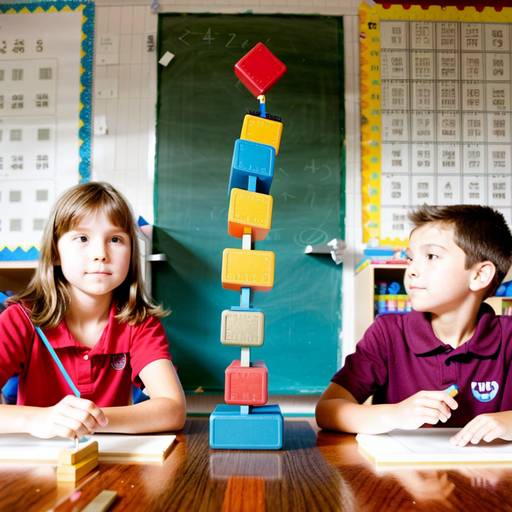
In this 3rd-grade math lesson, students will explore the concepts of measurement and weight through engaging activities. They will begin by discussing the importance of these concepts in everyday life and learn to use standard units for measuring length (inches, feet) and weight (ounces, pounds). Through guided practice, small groups will measure and weigh various classroom items using rulers and scales, recording their findings on chart paper. Additionally, they will estimate and measure fruits or vegetables, comparing their estimates to the actual measurements. The lesson will conclude with a class discussion on their discoveries. Assessment will involve observation during group activities and review of worksheets, allowing for differentiation and extensions like bringing personal items for added engagement. Overall, the lesson aims to provide hands-on learning opportunities, promoting collaboration and a deeper understanding of measurement and weight.
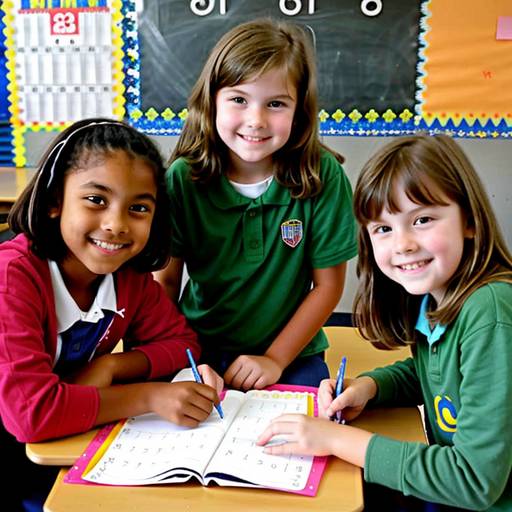
In this engaging 3rd-grade mathematics lesson, students explore the concepts of measurement and weight through hands-on activities. They begin by discussing the importance of measuring in everyday life and learn key vocabulary related to length and weight. Direct instruction focuses on using rulers and meter sticks to measure various classroom items, as well as employing scales to determine their weight.
Students are then divided into small groups to participate in two stations: one for measuring the length of items, using both standard and metric systems, and another for weighing items with a scale. Throughout these activities, they record their findings and take part in group discussions to share observations and surprises regarding the measurements they gather.
The lesson concludes with students reflecting on their learning through a sharing session and a wrap-up activity, where they express curiosity about measurements they would like to explore further. Assessment is based on participation and the accuracy of their measurement techniques. In addition, extensions and modifications are provided to ensure all students are engaged and challenged appropriately. Overall, the lesson emphasizes practical application, collaboration, and connection to real-world contexts in understanding measurement and weight.
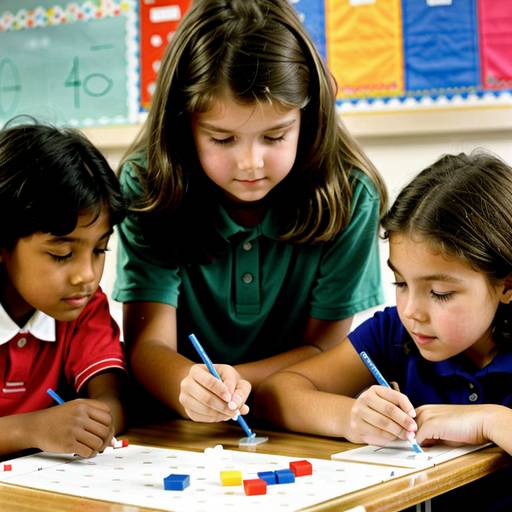
This 3rd-grade math lesson focuses on the concepts of measurement and weight, aiming to help students understand and apply these ideas through hands-on activities. The lesson begins with an introduction to the importance of measurement in everyday life and covers the differences between length and weight, along with various units of measurement such as inches, centimeters, pounds, and grams.
Students engage in both direct instruction and guided practice, where they work in small groups to measure and weigh classroom objects using rulers and balance scales. They record their findings on chart paper and participate in discussions about their measurements. For independent practice, students complete a worksheet that requires them to measure additional objects, documenting their lengths and weights.
The lesson concludes with group presentations, allowing students to share their findings and enhance their communication skills. Assessment is based on worksheet accuracy and participation in discussions. Modifications are provided for students who may need extra support, and extensions are suggested to further explore measurement in real-world contexts. Overall, the lesson promotes critical thinking, collaboration, and practical application of measurement skills.
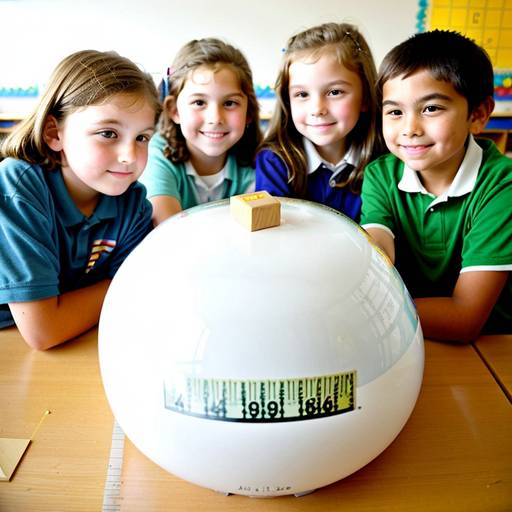
This lesson plan for a 3rd-grade math class focuses on measurement and weight, guiding students to explore these concepts through hands-on activities. The primary objectives include understanding weight, measuring with standard units (grams, kilograms, ounces, and pounds), and using balance scales for comparisons.
Students begin by discussing weight and then engage in an estimation activity, where they guess the weight of various classroom objects. Working in small groups, they measure the actual weights of these objects, record their findings, and compare them to their estimates. Each group then presents their results to the class, highlighting their heaviest and lightest objects.
The lesson concludes with a summary of learned concepts and a homework assignment that continues the exploration at home. Assessment is based on participation, accuracy of measurements, and completion of assigned tasks. The plan encourages hands-on learning and supports the development of practical measurement skills in a collaborative setting.