
Filters
Level
Grade
Subject
Subject Area
Subject Topic
Standard(s)
Audience
Keyword
DurationMinutes
3rd Grade Time Lesson Plans

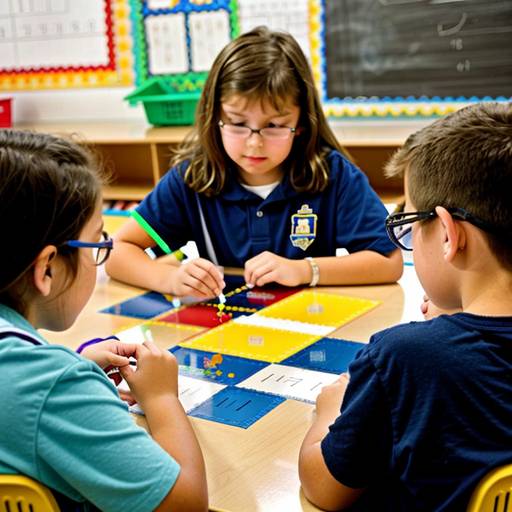
In this 60-minute lesson plan for 3rd graders, students will learn about measurement and time through interactive activities. The lesson begins with a discussion about the importance of knowing how to read a clock, followed by a demonstration on interpreting analog clocks. Students will engage in a guided practice session where they work in pairs to tell time and measure various classroom objects using rulers and measuring tapes.
For independent practice, they will complete a worksheet that includes both clock-reading and measurement tasks. To conclude, the class will review key concepts and share their learning experiences. Assessment will focus on students’ abilities to read clocks accurately and measure objects correctly. The lesson also provides opportunities for extensions and modifications to address different learning needs, as well as a home connection to reinforce skills outside of the classroom.
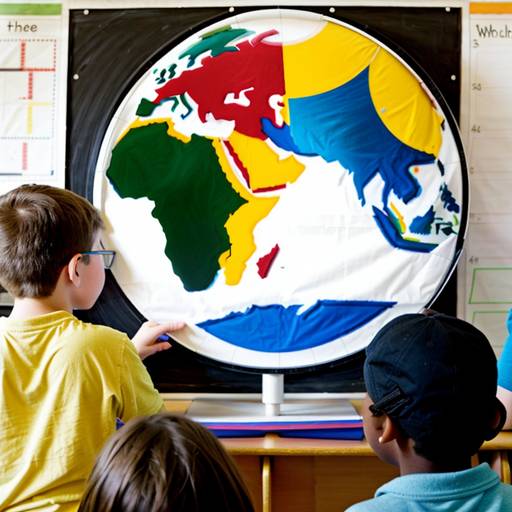
In this engaging lesson designed for 3rd graders, students explore the concepts of measurement related to time and length. They will learn to use various tools such as rulers and stopwatches to measure items and track durations. The lesson begins with a discussion on the importance of measurement in everyday life, followed by hands-on activities in small groups where students measure classroom objects in both inches and centimeters.
Next, students practice telling time using analog clocks and engage in a fun game to reinforce their skills. For a practical application, students choose physical tasks, measure the time it takes to complete them with a stopwatch, and record the results on a chart. The lesson concludes with a reflection on how the skills learned can be applied outside the classroom.
Assessment is based on observation during activities and the accuracy of recorded measurements. Differentiation strategies ensure that all learners can participate and succeed, while extensions offer opportunities for further exploration of measurement concepts. This interactive approach fosters both understanding and curiosity about measurement in the students’ daily lives.
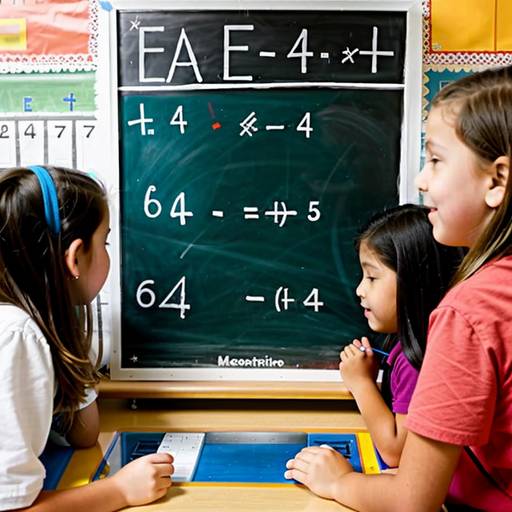
This lesson plan is designed for 3rd-grade students to explore the concepts of measurement and time through interactive activities. The lesson begins with a discussion about the importance of these skills in everyday life. Students then participate in a hands-on exploration at various stations, where they measure classroom objects using different tools, such as rulers and meter sticks, and record their findings.
Afterward, the focus shifts to telling time on an analog clock. Students create their own clock faces and practice setting times to reinforce their understanding. The lesson culminates in solving word problems that integrate both measurement and time, allowing students to apply what they have learned in practical contexts.
Throughout the lesson, students work individually and in pairs, fostering collaboration and critical thinking. The teacher assesses student understanding through observation and by reviewing their completed worksheets. Extensions are provided for students who want to deepen their learning, including a scavenger hunt for measurement and discussions about elapsed time in daily routines. Overall, the lesson aims to make measurement and time engaging and relevant for young learners.
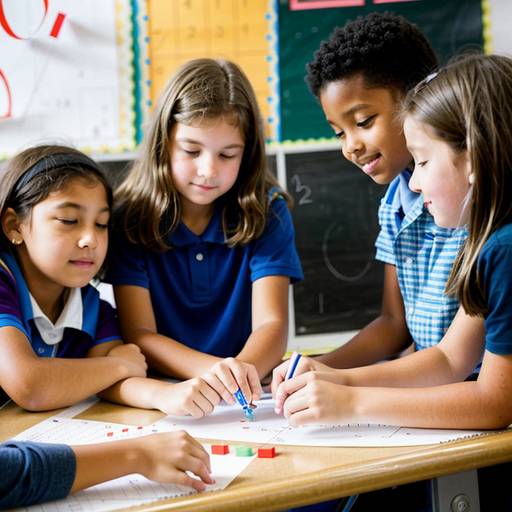
In this 3rd-grade math lesson, students will explore the concepts of measuring time and length using inches and minutes. The session begins with an introduction to telling time on both analog and digital clocks, allowing students to practice reading time in pairs. Next, they will learn how to use rulers to measure various classroom objects in inches, engaging in hands-on activities. Students will work in small groups to measure items and time activities, such as counting how many jumping jacks they can perform in one minute. The lesson concludes with individual worksheets to assess their understanding of time and measurement. The instructor will provide adaptations for diverse learning needs and end the lesson with a review to reinforce the concepts learned. Through interactive approaches, students will gain practical skills applicable to everyday situations.