
Filters
Level
Grade
Subject
Subject Area
Subject Topic
Standard(s)
Audience
Keyword
DurationMinutes
3rd Grade Creative Writing Lesson Plans

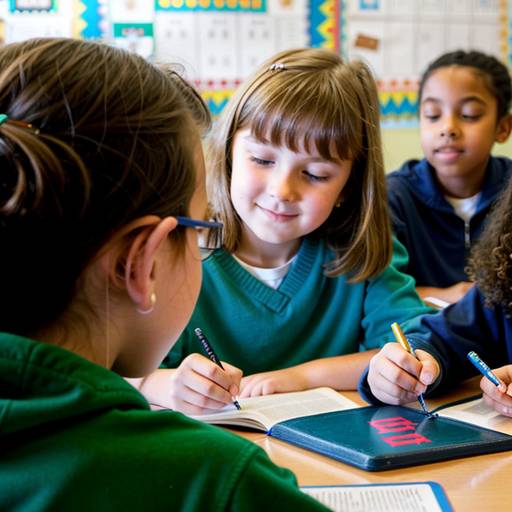
The lesson plan focuses on engaging 3rd-grade students in creative writing by guiding them through the elements of storytelling, including characters, setting, problem, and resolution. The lesson begins with a warm-up discussion about adventure stories, allowing students to share their favorites and identify key story components. Students then participate in a brainstorming session in pairs to develop their own story ideas, which they ultimately write independently, incorporating descriptive language and illustrations.
The lesson concludes with students sharing parts of their stories in small groups or with the class, fostering a supportive environment for collaboration and feedback. Assessment is based on observation during activities and the quality of the written stories. Modifications are available for different student needs, and extensions encourage students to showcase their work in a class book format. Overall, the lesson aims to develop creativity, improve writing skills, and enhance students' storytelling abilities.
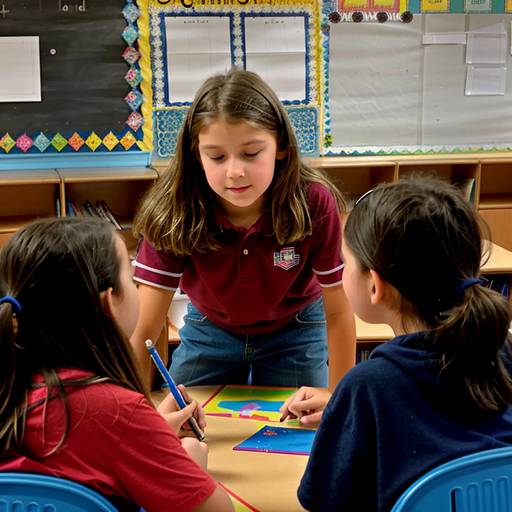
In this 3rd-grade language arts lesson, students will engage in the creative writing process by imagining and crafting their own unique worlds. The lesson begins with a discussion about imaginative settings found in literature and includes a read-aloud of a captivating story excerpt. Following this, students will use a story planning worksheet to brainstorm ideas related to their own fictional world, including details about the setting, characters, and plot.
After brainstorming, students will spend time writing a short story that establishes a clear beginning, middle, and end, all while expressing their creative ideas. Once they have completed their stories, they will illustrate scenes or important aspects of their worlds, allowing for a visual representation of their creativity.
The lesson concludes with an opportunity for students to share their stories and artwork with the class or in small groups, promoting confidence and peer feedback. Assessment will focus on their participation, the completeness of their worksheets, and the creativity displayed in their narratives. Extension activities may include compiling a class book of stories or performing dramatic readings, while modifications are provided to support diverse learning needs. Overall, the lesson aims to foster imagination and enhance storytelling skills in a fun and engaging manner.
This lesson plan focuses on teaching 3rd-grade students the fundamental elements of storytelling, including characters, setting, and plot. The lesson begins with a group discussion to engage students in thinking about what makes a story compelling. The teacher then models the story creation process by collaboratively filling out a graphic organizer with students, demonstrating how to develop their own characters, settings, and plots.
Following this guided instruction, students complete their own graphic organizers in pairs, sharing their ideas and providing feedback to each other. Next, they independently write their own short stories using their developed concepts, encouraged to be imaginative and descriptive.
The lesson concludes with students sharing their stories aloud with the class, promoting oral presentation skills and positive peer feedback. Assessment consists of monitoring student participation, reviewing their graphic organizers and stories, and providing constructive feedback focused on creativity and storytelling skills. The plan also includes suggested extensions to further enhance student engagement and creativity through art integration.
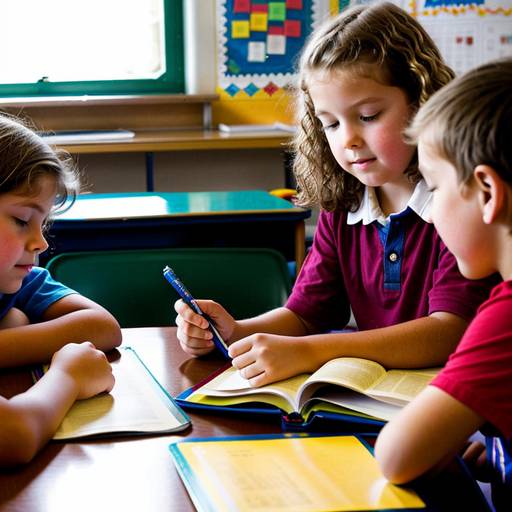
This lesson plan for 3rd-grade language arts focuses on teaching students the fundamental elements of storytelling, including character, setting, conflict, and resolution. The lesson begins with an engaging discussion about favorite stories and characters, and students contribute ideas about what makes a great story. They are then introduced to a story map template that helps them organize their thoughts.
During guided practice, students brainstorm ideas using a story cube, share their story maps with a partner for feedback, and start drafting their own short stories based on their maps. They are encouraged to illustrate their work while writing. The lesson closes with a discussion where students can share snippets of their stories and reflect on their creative process. Assessment includes monitoring participation and reviewing the completed story maps and narratives, focusing on their understanding of storytelling elements. Possible extensions encourage further creativity, such as creating illustrations or sharing stories with others.