
Filters
Level
Grade
Subject
Subject Area
Subject Topic
Standard(s)
Audience
Keyword
DurationMinutes
3rd Grade Context Clues Lesson Plans

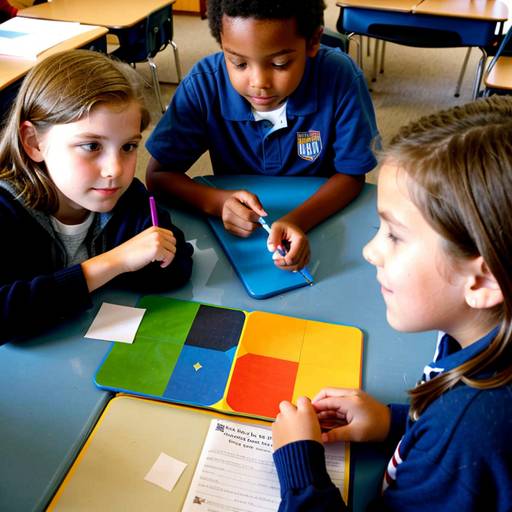
In this 3rd-grade language arts lesson, students will engage in learning about vocabulary and context clues over the course of one hour. The lesson begins with a discussion about the importance of vocabulary, followed by an introduction to context clues as a strategy for uncovering the meanings of unfamiliar words. The teacher models this process using example sentences that include context clues, guiding students in how to infer meanings.
Students will then work in small groups to read a selected text, identify unfamiliar words, and discuss the context clues present in those sentences. Following this collaborative activity, students will complete a worksheet independently, focusing on underlining unfamiliar words and using context clues to deduce their meanings.
The lesson concludes with a group sharing session, allowing students to present one new vocabulary word they discovered and the clues they used to understand it. To reinforce their learning, students are encouraged to find and document new words in their independent reading. Assessment will occur informally through group discussions, shared sentences, and the collected worksheets. Opportunities for differentiation and extensions are included to support varying levels of learners.
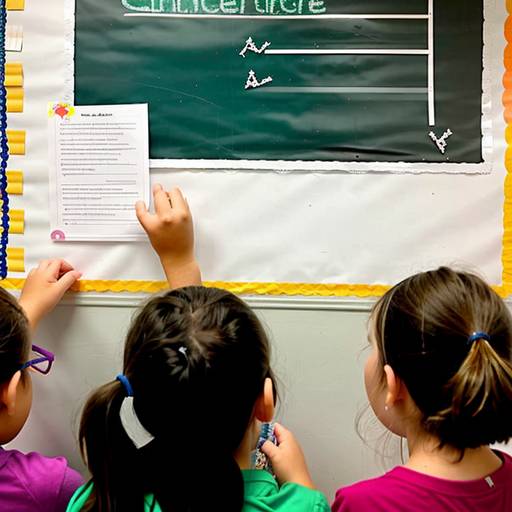
This 3rd-grade language arts lesson focuses on teaching students about context clues and how they can help determine the meanings of unfamiliar vocabulary words. The lesson begins with an engaging discussion about strategies students use when encountering new words. Instructors provide direct instruction on context clues, followed by a group reading of a short passage where students practice identifying unknown words and the hints in the text that aid in their understanding.
Students then engage in independent practice by completing a “Context Clue Treasure Hunt” worksheet, where they fill in missing vocabulary words in sentences and underline the context clues that guided their choices. The lesson concludes with a review of selected sentences from the worksheet, encouraging students to share their findings and to discuss the importance of context clues in their reading. The lesson includes assessments through worksheet collection and observation of student participation. Additionally, there are opportunities for differentiation, ensuring all students, regardless of skill level, can engage with and learn from the material. An extension activity encourages creativity by having students create a vocabulary word gallery in the classroom.