
Filters
Level
Grade
Subject
Subject Area
Subject Topic
Standard(s)
Audience
Keyword
DurationMinutes
3rd Grade Reading Comprehension Lesson Plans

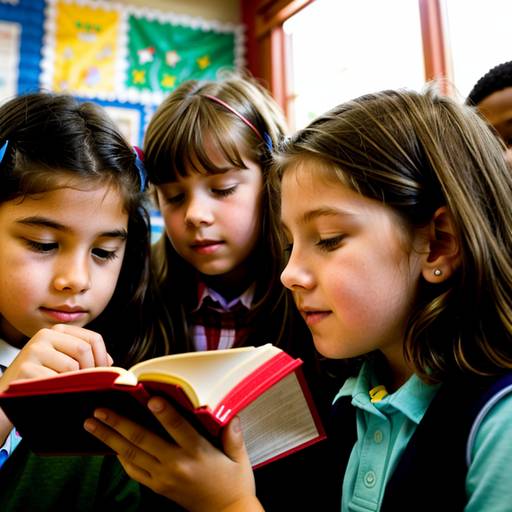
In this 3rd-grade language arts lesson, students will focus on reading comprehension by exploring characters in a selected storybook. The lesson begins with a discussion about their favorite characters, followed by a read-aloud of the chosen book where students will actively engage through questions about character emotions and actions. After reading, students will create a Character Trait Chart, identifying main characters, their traits, and how these traits influence their adventures. They will then independently complete the chart, illustrating their character and one of their adventures. The class will conclude with sharing sessions in pairs or small groups, fostering collaboration and reflection. Assessment will involve observing participation and collecting charts to evaluate understanding. Additionally, the lesson can accommodate different learning needs through support materials and extension activities that encourage further character exploration and engagement with literature.
This 3rd grade language arts lesson focuses on enhancing students' reading comprehension through the exploration of characters and settings in a story. The lesson begins with a discussion about the elements that make stories engaging, followed by a read-aloud of a selected short story, during which the teacher models thinking aloud to prompt student engagement. Students then work in small groups to fill out a graphic organizer that highlights the key characters and settings from the story. This is followed by a class discussion where groups share their findings, promoting collaborative learning and critical thinking. For independent practice, students write a reflection paragraph about their favorite character, which they later share with a partner. The lesson concludes with a recap of the importance of characters and settings, along with an exit ticket to assess student understanding. Throughout the lesson, differentiation strategies are incorporated to support diverse learning needs.
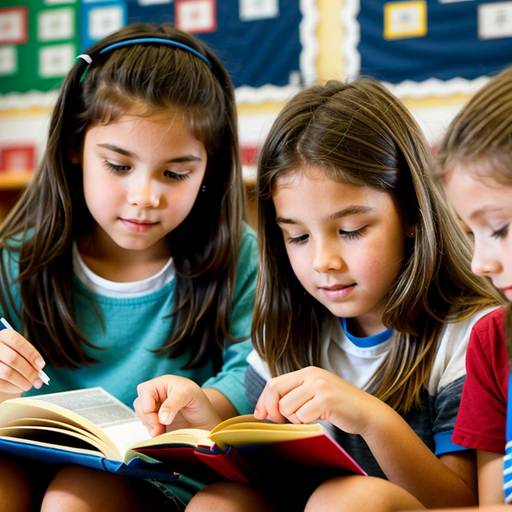
In this 3rd-grade language arts lesson, students will enhance their reading comprehension skills by exploring key story elements such as characters, setting, and plot. The lesson begins with an engaging discussion about favorite stories, followed by direct instruction on the importance of these elements. The teacher will read a selected story aloud, modeling how to fill out a graphic organizer with information gathered from the text.
Students will then participate in guided practice, where they continue reading the story and take notes about what they observe. Afterward, they will work independently or in pairs to read additional sections and document their thoughts on sticky notes. In the closure, the class will discuss the significance of understanding story elements and take a short comprehension quiz to assess their grasp of the material.
Overall, the lesson combines direct instruction, collaborative discussion, and independent work to foster a deeper understanding of reading comprehension through active engagement with literature.
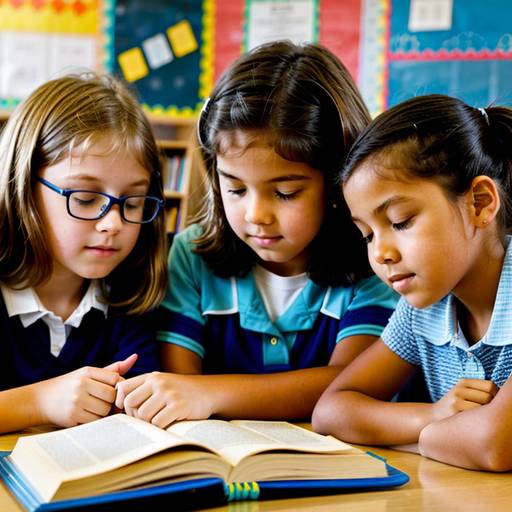
This 3rd-grade Language Arts lesson focuses on enhancing students' reading and comprehension skills by helping them identify the main idea and supporting details in a story. The lesson begins with a brief introduction that captures students' interest through a mystery-solving theme. Following this, students receive direct instruction on understanding the main idea and how to distinguish it from supporting details.
During guided practice, students read a selected short story together and fill out a graphic organizer, identifying the main idea and relevant details. They also write questions and personal connections on sticky notes to share with partners. Independent practice further reinforces comprehension as students write personal connections to the story.
The lesson concludes with a recap of the main ideas and details, fostering class discussion and reflection. Assessments include reviewing students' graphic organizers and observing their participation in discussions, ensuring that everyone's comprehension and engagement are supported. Differentiation strategies are also provided to cater to varying reading levels within the classroom, and extensions include creative writing opportunities for students to craft their own stories. Overall, the lesson aims to make reading engaging and interactive while developing critical comprehension skills.