
Filters
Level
Grade
Subject
Subject Area
Subject Topic
Standard(s)
Audience
Keyword
DurationMinutes
3rd Grade Printmaking Lesson Plans

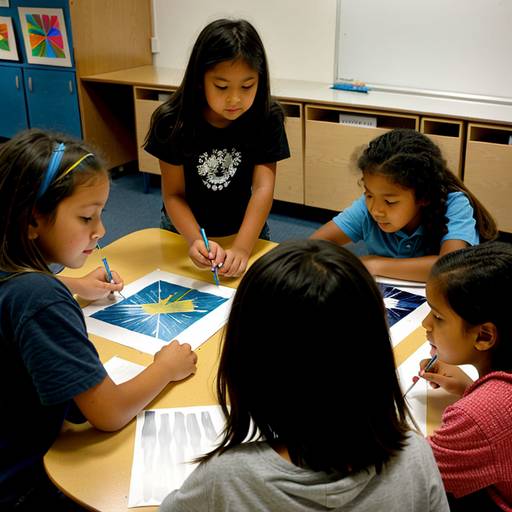
In this engaging art lesson designed for 3rd-grade students, learners will explore the fascinating technique of printmaking while developing their creativity and understanding of historical art forms. The lesson begins with an introduction to printmaking, emphasizing its significance in both history and contemporary art, followed by a demonstration on creating printmaking plates using Styrofoam.
During the hands-on activity, students will design their foam plates, apply paint, and create their own prints on paper, experimenting with colors and layering. The session culminates in a mini art gallery walk, where students showcase their completed prints and discuss their artistic processes and inspirations. Through this experience, students will not only enhance their artistic skills but also gain an appreciation for printmaking as a unique form of expression, while learning the value of collaboration and sharing in the creative process.
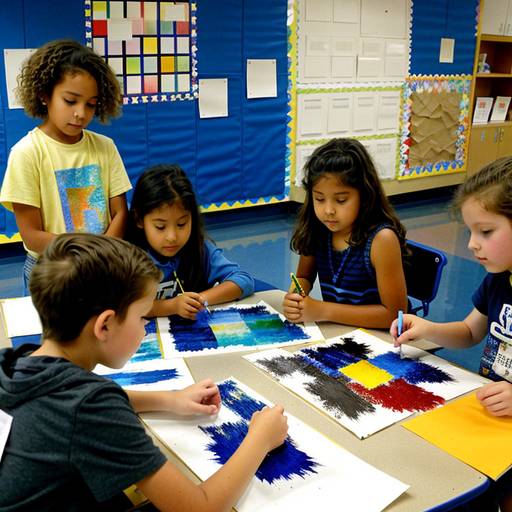
In this engaging art lesson for 3rd graders, students will explore the concept of texture and patterns through the exciting medium of printmaking. The lesson begins with a discussion about various textures found in art and the environment, encouraging students to share their observations. Following this, the teacher demonstrates the printmaking process, showcasing how to create designs on foam sheets, apply paint, and transfer images onto paper.
Students will then have the opportunity to create their own prints by designing textured patterns on foam and experimenting with different colors. As they work, they will learn important techniques related to printmaking, including how to effectively use tools like brayers while maintaining cleanliness. After completing their prints, students will share their artwork with classmates, reflecting on their creative process and the textures they incorporated.
The lesson concludes with a display of the artwork, allowing students to appreciate each other's creations. This hands-on activity not only fosters creativity but also enhances students' understanding of artistic techniques and the role of texture in visual art.
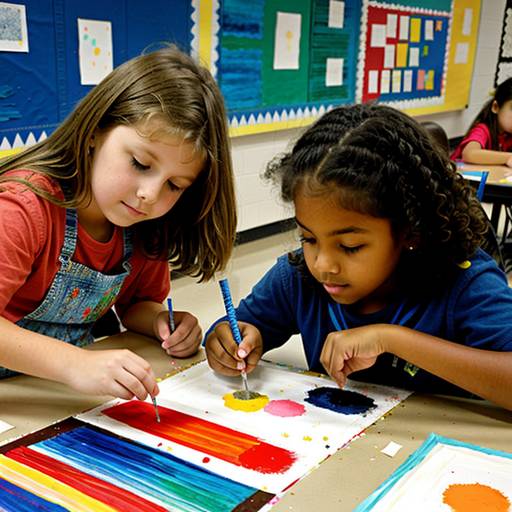
In this 3rd grade art lesson, students will explore printmaking techniques using everyday materials to create textured prints. The objectives are to help students recognize different textures in their environment and understand their significance in art, while also learning to make prints with their own designs. The lesson includes a warm-up discussion to identify textures, a demonstration on creating printing plates with styrofoam or cardboard, and an explanation of how to use paint to achieve clear prints.
During the main activity, students will carve their designs, apply paint to their plates, and press them onto construction paper or cardstock to create their prints. After completing their projects, a gallery walk will allow students to share and reflect on their work. The lesson concludes with an assessment of participation and creativity, and suggestions for extensions encourage further exploration of printmaking. This hands-on experience will enhance students' creativity and appreciation for texture in art.
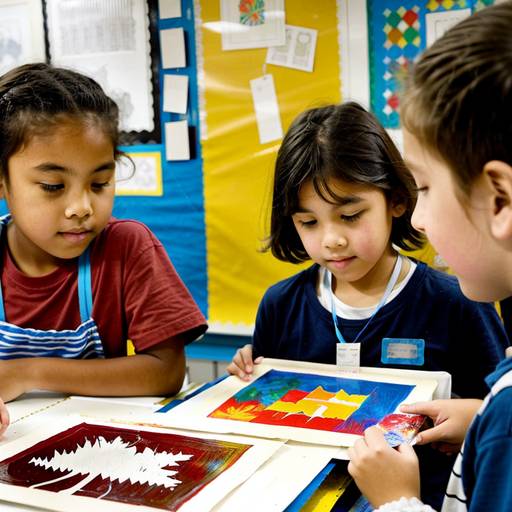
In this 3rd-grade art lesson, students will explore the fundamentals of printmaking by creating their own stamped prints. The lesson begins with a discussion about what printmaking is and examples of its use in everyday life. Students will design and cut their own foam stamps, focusing on simple shapes and patterns that can create interesting textures.
Once their stamps are completed, they will learn how to apply paint to their stamps using sponges, ensuring an even coating. The main activity involves stamping their designs onto large sheets of paper, experimenting with color combinations and layering techniques to enhance the visual impact of their prints.
After creating their artwork, students will share their pieces and reflect on their learning experiences. The lesson concludes with a brief cleanup, and students will have the opportunity to display their work while discussing the creative process and their favorite aspects of printmaking. Assessment will be based on participation, creativity, and each student's ability to articulate what they learned. Extensions of the lesson may include introducing more advanced printmaking techniques in future classes.