
Filters
Level
Grade
Subject
Subject Area
Subject Topic
Standard(s)
Audience
Keyword
DurationMinutes
3rd Grade Art Movements Lesson Plans

In this 3rd-grade art lesson, students will explore various art movements, specifically focusing on Impressionism, Cubism, and Abstract Art. They will begin with an engaging discussion about the significance of art in culture and history, learning how different movements reflect their times. Through visual examples, students will discover the unique characteristics of each style and the artists behind them.
After a brief overview, students will work in small groups to create informative posters that highlight key elements of their assigned art movement, including notable artists and artworks. Each group will present their poster to the class, fostering collaboration and creativity. Following this, students will individually create their own artwork inspired by the movement of their choice, applying elements learned during the lesson.
The class will wrap up with a reflection period where students can share their artwork with peers, discuss their creative process, and articulate what they have learned about the influence of different art styles. Assessment will be based on participation in group activities, poster creation, and the completed individual artworks. This lesson encourages a deeper appreciation of art history while promoting creativity and self-expression among young learners.
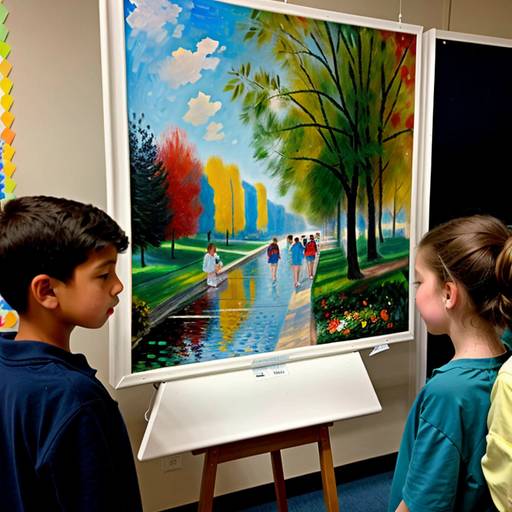
In this art lesson plan for 3rd graders, students will explore the Impressionist art movement through a mix of history, discussion, and hands-on creativity. The lesson begins with an introduction to key characteristics of Impressionism, including the use of light, color, and movement, as seen in the works of famous artists like Claude Monet and Edgar Degas. Students will analyze various Impressionist paintings and engage in a discussion about their observations and interpretations.
After gaining insights into the movement, students will create their own artwork inspired by Impressionism. They will conceptualize a favorite scene, make preliminary sketches using crayons or markers, and then use watercolor paints to bring their scenes to life, focusing on blending colors and applying loose brushstrokes characteristic of the style.
The session concludes with a gallery walk, where students showcase their artwork, providing and receiving positive feedback from peers. This activity not only reinforces their learning about Impressionism but also promotes creativity and personal expression. Through this interactive experience, students will gain a better understanding of art history while developing their artistic skills.
In this art lesson for 3rd graders, students will explore ancient art from various cultures, learning about the styles, materials, and purposes behind these historical artworks. The lesson begins with a discussion and visual presentation of ancient art forms, such as Egyptian hieroglyphs and Greek pottery, emphasizing their significance in storytelling and daily life. Following this introduction, students will engage in a creative activity where they design their own artwork inspired by ancient techniques, using drawing or sculpting methods.
As they create, students will think about symbols and meanings that resonate with them personally. The lesson concludes with a sharing circle where students present their creations, fostering discussion about their inspirations and the diversity of ideas. Assessment will be based on participation, creativity, and self-reflection. Extension activities, such as creating a classroom gallery and inviting discussions on students' cultural backgrounds in art, are also included. Adaptations are provided to support varying skill levels. Overall, the lesson aims to connect students to art history while encouraging their creativity and personal expression.
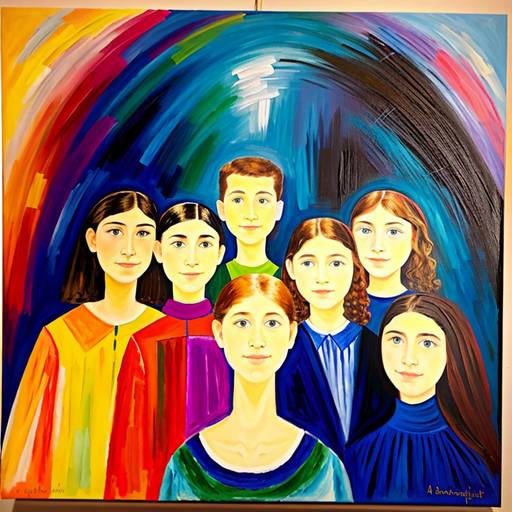
In this engaging art lesson for 3rd graders, students will explore the Expressionist art movement, focusing on its characteristics, such as the use of bold colors and distorted forms to convey emotion. The lesson begins with an introduction to key artists and their works, prompting discussions about how colors can represent feelings. Students will then create their own expressive artwork based on a specific emotion they’ve experienced, using a variety of materials like construction paper, crayons, and watercolors. They will share their creations with the class, explaining the emotions tied to their art. The session emphasizes personal expression through art while fostering connections to history and encouraging creative thinking. Extensions include creating a classroom gallery to display their work and writing about their artistic choices, incorporating literacy and social studies elements into the lesson. Overall, this activity allows students to connect emotionally with art and enhances their understanding of a significant art movement.