
Filters
Level
Grade
Subject
Subject Area
Subject Topic
Standard(s)
Audience
Keyword
DurationMinutes
3rd Grade Color Theory Lesson Plans

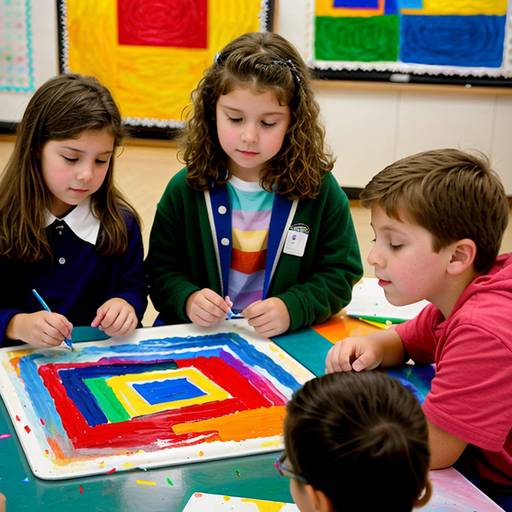
In this 3rd-grade art lesson, students will explore the elements of art—line, shape, color, form, space, texture, and value—while gaining an understanding of basic color theory. The lesson starts with a discussion of how colors evoke emotions, followed by an introduction to the color wheel, including primary, secondary, and complementary colors.
Students will demonstrate their comprehension through a guided practice session where they learn watercolor techniques. For the main activity, they will create their own artwork using a variety of colors and elements, focusing on expressing their feelings through their choices.
The lesson concludes with a mini-gallery walk where students share their creations with classmates, discussing their use of color and art elements. Assessment will be based on creativity and the application of learned concepts. Extensions include discussions on the impact of color in various contexts and a potential field trip to an art museum. Overall, this lesson aims to foster creativity and enhance students’ understanding of art fundamentals.
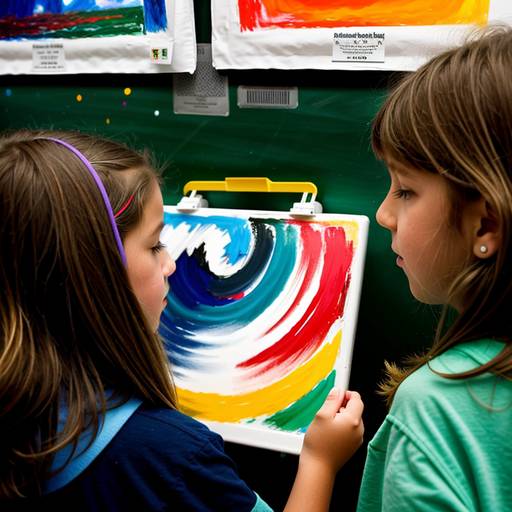
In this 3rd-grade art lesson, students explore the basic elements of art with a focus on color theory. The lesson begins with an interactive discussion about colors, introducing primary and secondary colors and their relationships using a color wheel. Students work in small groups to mix primary paints, creating secondary colors and documenting their observations.
Following the color mixing activity, students collaborate on a large mural, applying their knowledge of color while expressing their creativity through different patterns and textures. The lesson concludes with a group reflection on the experience, encouraging students to share their thoughts on the colors used and the importance of teamwork in artistic projects. Assessment includes participation in activities and the completion of a worksheet. Extensions to the lesson may involve exploring additional color concepts or famous artists known for their color use. All materials used should be appropriate and non-toxic, considering student safety.
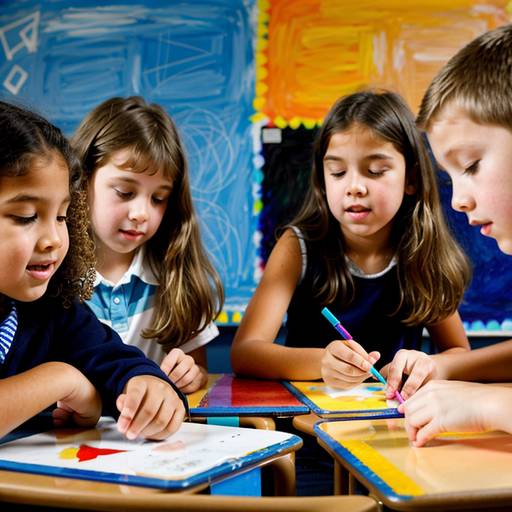
In this 3rd-grade art lesson, students will explore the concepts of primary and secondary colors, as well as the emotional impact of colors and shapes in their artwork. The lesson begins with a discussion of the color wheel and engaging students in sharing their favorite colors and associated emotions. Through guided instruction, they will learn about warm and cool colors, along with basic geometric shapes. Students will then cut out shapes from colored construction paper and creatively arrange them on a blank sheet to express a specific emotion or feeling. Following this, they will write a sentence about their artwork, explaining their color choices and the emotions conveyed. The class will conclude with students sharing their creations and discussing the relationship between color and emotional expression, providing a comprehensive understanding of color theory and artistic expression in a collaborative environment. Assessment will focus on observing students' creativity and their ability to articulate their choices. Extensions for early finishers and follow-up lessons on mixing colors will further enhance learning opportunities.
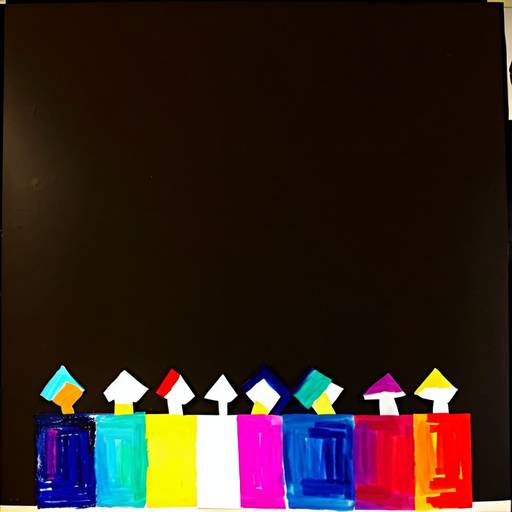
In this 3rd Grade art lesson, students will explore the basic elements of art, focusing on colors and shapes. They will learn about primary and secondary colors, as well as the distinction between warm and cool colors, using a color wheel for reference. The lesson begins with an introduction to these concepts, followed by a demonstration on mixing colors and incorporating shapes into artwork.
Students will then participate in a hands-on creative activity where they will trace and color various shapes on drawing paper, select a color scheme, and enhance their pieces with collage elements cut from magazines. They will be encouraged to express their creativity through color and form.
To conclude, students will engage in a group discussion to share their artwork and reflect on what they learned about color theory and the elements of art. Their understanding will be assessed through observation and a review of their completed projects. Extension activities include creating a "Color Journal" for practice and a color mixing station for further experimentation. This lesson fosters creativity while reinforcing essential art concepts.