
Filters
Level
Grade
Subject
Subject Area
Subject Topic
Standard(s)
Audience
Keyword
DurationMinutes
2nd Grade Technology Lesson Plans
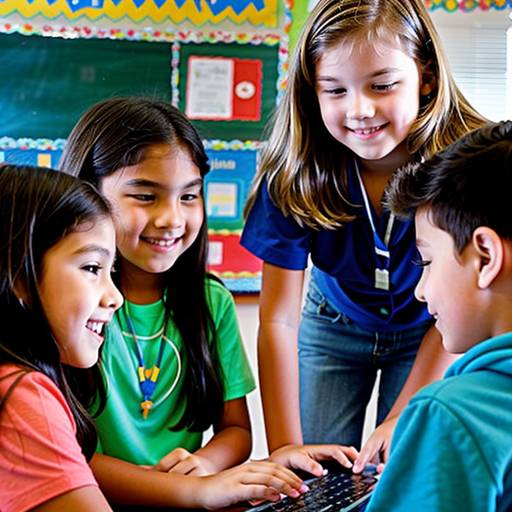
This lesson plan for 2nd-grade students focuses on introducing the concepts of digital citizenship and online safety. During the lesson, students engage in a discussion to relate being a good friend in real life to being a responsible internet user. They view a short video that highlights key aspects of digital citizenship and participate in group activities to identify safe and unsafe online behaviors based on provided scenarios. Each group presents their findings, reinforcing their understanding of online safety.
Students then create personal digital citizenship pledges, where they write or draw one way they plan to stay safe online, which they can share with their families. The lesson concludes with a review of key points and emphasizes the importance of kindness and respect in digital interactions. Assessment is done through group discussions and the review of individual pledges. Follow-up activities include creating a classroom poster of digital safety tips and implementing a tech-free day for deeper reflection on the lessons learned. Overall, the lesson aims to empower students to navigate their online lives responsibly and safely.
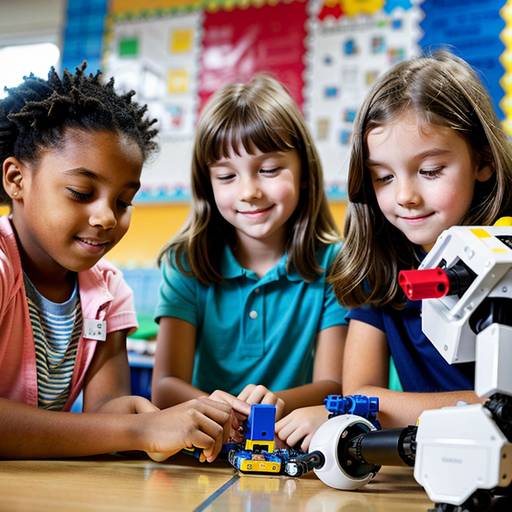
In this 60-minute technology lesson for 2nd graders, students are introduced to robotics through an engaging and interactive building activity. The lesson begins with a brief video showcasing different robots in action, followed by a discussion on how robots assist in various real-world applications.
Students learn about the essential components of a robot—sensors, processors, and actuators—before being guided through the engineering design process, which includes steps such as asking questions, imagining ideas, planning designs, creating prototypes, and improving their builds.
Working in pairs, students then sketch their robot ideas and construct their creations using LEGO bricks and craft supplies. They present their robots to the class, sharing the functionality and materials, while classmates ask questions. The lesson wraps up with a reflective discussion on what students learned, the challenges they encountered, and how they overcame them. Ongoing assessment occurs through observation, verbal feedback, and a simple rubric evaluating creativity, functionality, and teamwork.
Opportunities for extension and differentiation are also included to accommodate students’ varying abilities and interests. Overall, this lesson fosters creativity, collaboration, and a foundational understanding of robotics.
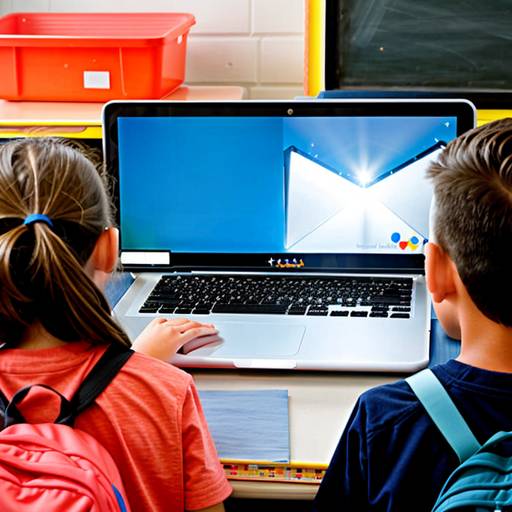
In this 2nd-grade technology lesson, students will learn the essential practices for maintaining and handling devices properly. The lesson begins with an engaging discussion about students’ favorite devices, followed by a short video that highlights the significance of device care. Key concepts including cleaning methods, safe storage, and careful handling will be introduced through direct instruction and a flashcard matching activity.
Students will then participate in a group project where they create a poster outlining various ways to care for devices, fostering collaboration and creativity. Afterward, each student will reflect on what they’ve learned by filling out a checklist on sticky notes, which will serve as an exit ticket. The lesson concludes with a review and an opportunity for students to share their takeaways. Assessments will be based on the group posters and individual exit tickets, with extensions offered for further engagement at home. Overall, the lesson aims to equip students with important skills to ensure the longevity and proper use of their technology tools.
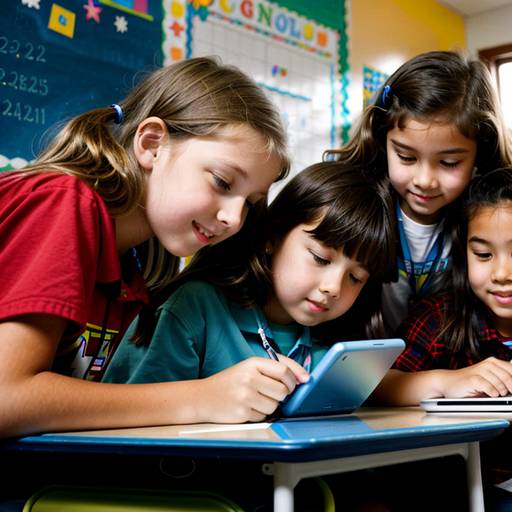
In this 2nd-grade technology lesson, students will be introduced to various technology tools and their purposes. The lesson begins with a discussion about what technology is, engaging students in sharing their thoughts and experiences. A visual presentation highlights different technology tools, prompting further discussion on how each tool assists in learning and everyday life. Students will then work in small groups to identify and discuss the functions of various technology tools from provided worksheets. Following this, they will have the opportunity to explore a tool in pairs, practicing its use. The lesson concludes with students sharing their favorite technology tool through drawings and sentences, reinforcing their understanding of technology's role in supporting learning and creativity. Assessment will be based on participation in discussions and the completion of worksheets. Extensions may include encouraging students to present on technology tools they use at home. Adjustments will be made to suit the specific needs of the students.
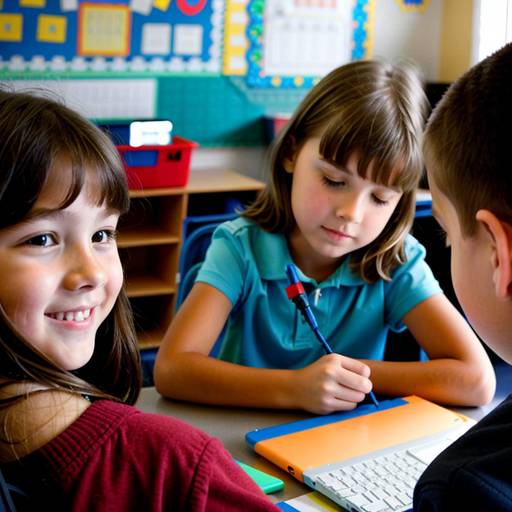
In this 2nd-grade technology lesson, students will explore various technology tools commonly used in daily life. The session begins with an engaging discussion about students' favorite tech tools, leading to an introduction to the concept of technology tools and their purposes. Throughout the lesson, students will interact with actual tools such as tablets, smartphones, and computers, while learning basic computer terminology using visuals.
In guided group activities, students will match picture cards of technology tools with their definitions, fostering collaboration and discussion. For independent work, students will draw their favorite technology tool and write a sentence describing its function, allowing for personal expression and reinforcement of understanding. The lesson concludes with a sharing segment where students present their drawings and summaries, encouraging public speaking and assessment of comprehension.
Assessment will focus on participation in discussions and the completed worksheets to evaluate student understanding. Accommodations will be provided for varying student needs to ensure an inclusive learning environment. After the lesson, reflection will be conducted to identify successes and areas for improvement for future technology education.
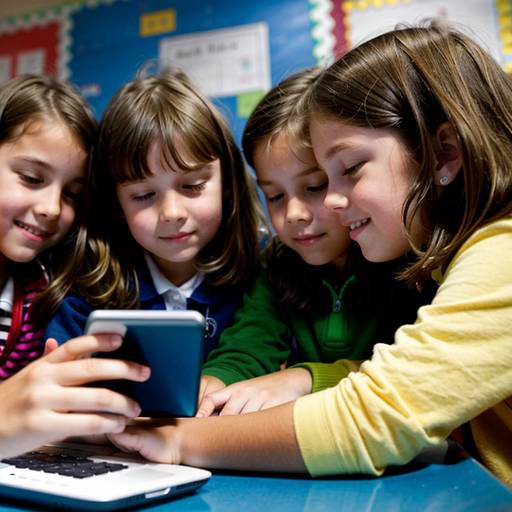
In this 60-minute technology lesson for 2nd graders, students will learn essential internet skills and the importance of safety while browsing online. The lesson begins with a discussion about students' interests in using the internet, followed by a guided practice where they identify safe and unsafe websites based on specific features. Key internet safety tips are introduced and reinforced with printed handouts, encouraging student engagement through questions and sharing personal insights.
During the independent activity, students will explore teacher-selected, safe websites using laptops or tablets and note one interesting observation from each site. The lesson concludes with a fun "Internet Safety Bingo" game, where students match scenarios related to internet use against their Bingo cards while discussing each scenario to reinforce their understanding of safe practices.
Assessment will be conducted through observations of student participation and understanding during the activities. The lesson incorporates differentiation strategies to support diverse learning needs and wraps up with a reflection where students can share new insights gained about internet safety or their favorite discovered website, fostering a sense of community and shared learning.
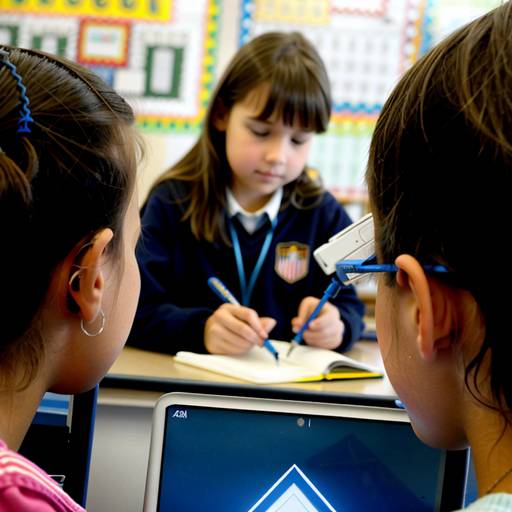
In this technology lesson designed for 2nd graders, students will explore the importance of device maintenance and organization. The session begins with a discussion about the devices they use and the responsibilities that come with caring for them. A mini-lesson focuses on proper cleaning techniques and the significance of maintaining an organized tech space.
Students will then engage in hands-on activities where they clean devices using appropriate supplies and organize tech equipment in the classroom. They will create labels for bins and boxes to help identify where items belong, reinforcing tidy tech habits. The lesson concludes with a review of the key concepts, allowing students to share their insights and experiences. Assessment will be based on observation during activities and a brief discussion or drawing to illustrate their understanding. This engaging and interactive lesson encourages students to take responsibility for their technology and promotes safe and organized learning environments.
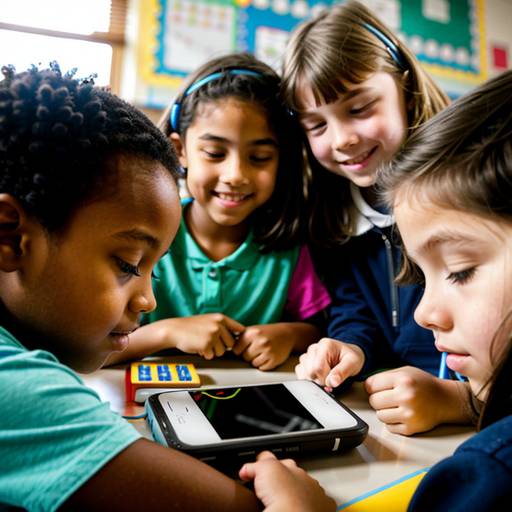
In this 45-minute technology lesson for 2nd graders, students will learn about the importance of proper device handling and maintenance. The lesson begins with a discussion on the types of devices students use and introduces the concept of responsibility for technology care, supported by a short video. Key points will include safe carrying techniques, cleaning devices, charging best practices, and proper storage.
Through guided practice, students will engage with a checklist that outlines device care essentials, sharing personal experiences and discussing examples of good and bad practices. In small groups, they will analyze specific scenarios involving technology mishaps and present their solutions. The lesson concludes with a recap of the key takeaways and encourages students to share what they learned with their families. Assessment will be based on participation and the checklists, with an optional extension activity allowing students to create informative posters on device care to showcase in the classroom.
In this 2nd-grade technology lesson plan, students will learn about the importance of device maintenance and cleaning to ensure the optimal performance and longevity of classroom technology. The lesson begins with an engaging discussion to introduce various devices and the significance of keeping them clean. A demonstration follows, where students will observe proper cleaning techniques for devices such as tablets and laptops, including the appropriate tools and methods.
Students will then participate in a hands-on activity, where they will be divided into small groups to practice cleaning assigned devices using microfiber cloths, disinfectant wipes, and soft brushes. As they clean, they will be supervised and guided to ensure they apply the techniques correctly.
The lesson concludes with a group discussion, allowing students to share what they learned and reflect on the importance of regular maintenance. Teachers will assess students based on their participation during the cleaning activity and their understanding of the key concepts. This lesson not only equips students with practical skills but also instills a sense of responsibility for the care of technology in their environment.
This 2nd-grade technology lesson focuses on teaching students the importance of device maintenance and effective cleaning techniques for their personal and classroom technology. The lesson begins with a discussion about the various devices used in their daily lives and the consequences of not maintaining them. Students will then receive a demonstration of proper cleaning steps using microfiber cloths and non-toxic cleaners, highlighting what should be avoided.
In small groups, students will practice role-playing the cleaning process using illustrated guides, reinforcing their understanding of the steps involved. They will also have the opportunity to reflect individually by drawing their favorite device and writing a sentence about the importance of keeping it clean.
The lesson concludes with a review of key points and an open Q&A session, ensuring that students grasp the significance of cleanliness in technology. Assessment will be conducted through observation of group activities and review of their reflection worksheets. Extensions include creating a "Device Maintenance Tips" poster and planning a tech clean-up day to promote responsibility for classroom devices. Overall, students will leave equipped with the knowledge and skills to maintain their devices effectively.