
Filters
Level
Grade
Subject
Subject Area
Subject Topic
Standard(s)
Audience
Keyword
DurationMinutes
2nd Grade Timelines Lesson Plans

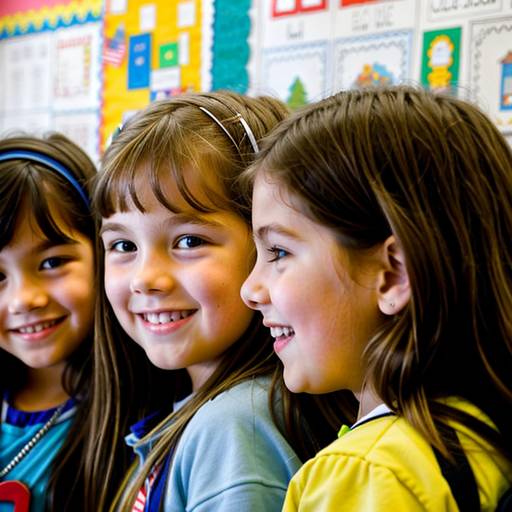
This lesson introduces 2nd-grade students to the concept of timelines in history. It begins with a story about a famous historical figure to spark interest, followed by a discussion about key events in both history and personal lives. Students learn how to create a timeline by examining a pre-made poster of significant historical events and collaboratively building a large classroom timeline using sticky notes to represent their suggestions. For independent practice, students draw and write about three important events in their lives on blank paper, ensuring they are arranged chronologically. The lesson concludes with student presentations of their personal timelines, reinforcing the connection between individual experiences and broader historical narratives. The lesson is designed to engage students through interactive activities, assessment through observation, and opportunities for differentiation based on individual learning needs.
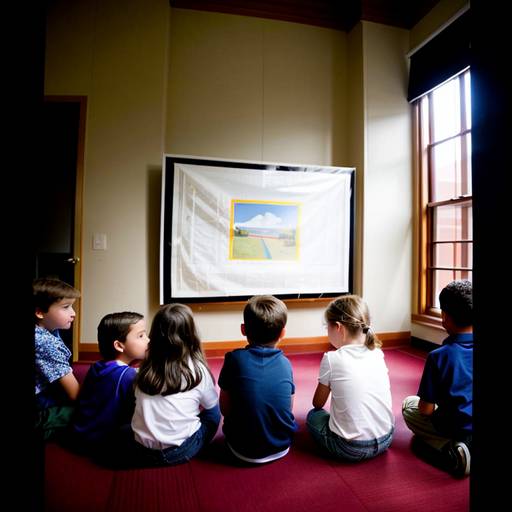
In this second-grade social studies lesson, students will learn about the concept of timelines and their importance in understanding history. The lesson begins with an engaging introduction where students discuss the meaning of history and explore significant historical events through visuals. They will then be guided in creating a simple timeline by modeling the process with personal life events, illustrating the sequence and significance of these occurrences.
During a group activity, students will collaborate to identify and order memorable events within their small groups, reinforcing their understanding of chronological order. Afterward, each student will have the opportunity to create their own personal timeline on a large piece of paper, illustrating at least 3-5 key events in their lives.
The lesson concludes with students sharing their timelines with peers, promoting reflection on their unique experiences while recognizing the diversity in personal histories. Assessment will involve observing participation and reviewing completed timelines to ensure students grasp the concept of chronological order. Extension activities may include creating a larger class timeline and involving families in documenting important events, further connecting personal and historical narratives.
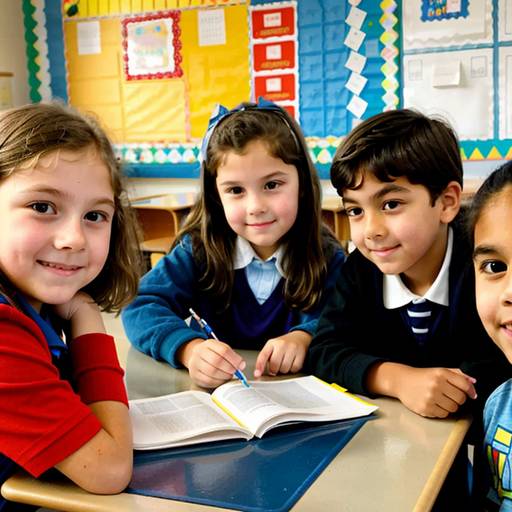
In this 2nd-grade social studies lesson, students explore the concept of timelines and their significance in understanding history. The lesson begins with a discussion about time and the importance of historical awareness, followed by an introduction to timelines through examples of significant events. Students then participate in a collaborative group activity where they create timelines of their own lives, identifying important personal milestones. Each group presents their timeline, fostering engagement and discussion among classmates. The lesson concludes with a recap of the timeline's importance, and students are assigned a worksheet to reflect on a historical event at home. Assessment includes observation of group collaboration, evaluation of the completed timelines, and review of individual worksheets. Differentiation strategies are provided to support diverse learning needs. Overall, the lesson aims to connect personal history with broader historical contexts.