
Filters
Level
Grade
Subject
Subject Area
Subject Topic
Standard(s)
Audience
Keyword
DurationMinutes
2nd Grade Maps Lesson Plans

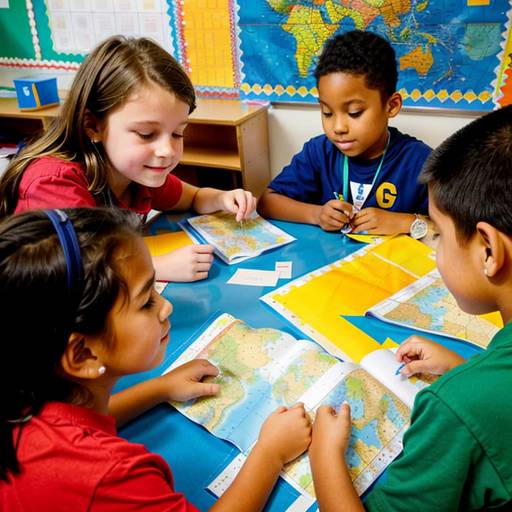
This lesson plan for 2nd-grade students focuses on introducing basic geographical concepts and map skills. Students will explore essential terms related to geography, such as landforms and bodies of water, while also learning about cardinal directions. The lesson includes a visual exploration of a world map or globe, followed by discussions on map features and symbols.
To reinforce their understanding, students will engage in a hands-on activity where they create their own imaginative maps, incorporating various geographical features like forests, rivers, and mountains. They will also develop symbols for these features and create a key, enhancing their ability to interpret and communicate map information.
The lesson concludes with a class discussion, encouraging students to reflect on their learning and share their maps with peers. Assessment will be based on participation and the thoroughness of their maps, with additional support provided as needed for diverse learners. An optional extension activity introduces a fun game that further develops map skills and creativity.
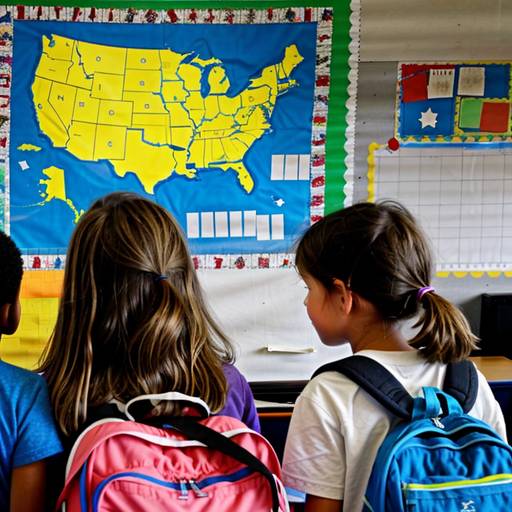
This lesson plan aims to engage 2nd-grade students in understanding the basics of geography and the use of maps. The lesson begins with an interactive discussion about students' experiences with maps, followed by a direct instruction segment that introduces essential map features, including titles, compass roses, and legends. Students will collaboratively explore a large community map to identify important local landmarks.
In the guided practice, they will work in small groups using printed maps to enhance their comprehension of the features discussed. For independent practice, students will create their own maps of either their classroom or home, incorporating the elements learned, such as titles, compass roses, and keys. The lesson concludes with a review of key concepts and sharing of students' maps with their peers. Assessment will be based on participation and the completion of the maps, with optional extensions for further learning through technology or field trips.