
Filters
Level
Grade
Subject
Subject Area
Subject Topic
Standard(s)
Audience
Keyword
DurationMinutes
2nd Grade Energy Lesson Plans

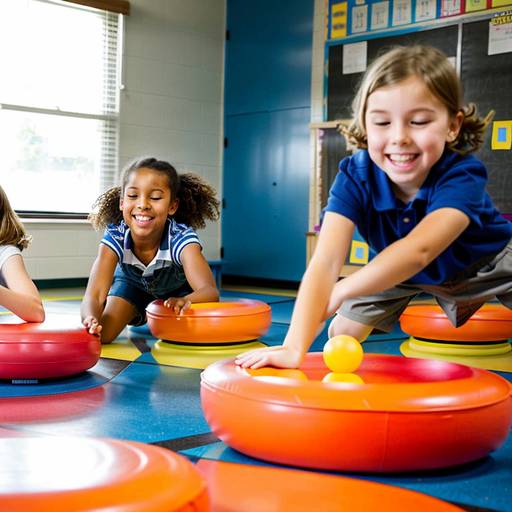
In this 2nd-grade science lesson focused on physical science, students will explore the concepts of energy and motion through engaging activities. They will learn about two main types of energy: kinetic energy, which is the energy of motion, and potential energy, which is the stored energy of position. The lesson begins with a discussion to elicit students' ideas about energy, followed by demonstrations showcasing the conversion of potential energy into kinetic energy using a ramp.
Students will then engage in a hands-on experiment in small groups, using different types of balls (rubber and ping pong) to observe how height affects the distance traveled when rolled down a ramp. They will predict outcomes, measure distances, and record their findings, fostering teamwork and critical thinking skills. The lesson concludes with a class discussion, where students share their observations and reflect on how energy was demonstrated during the activities. Assessment will be based on participation, collaboration, and the accuracy of their recorded results. Extensions for further exploration of energy in everyday life are suggested for future lessons.
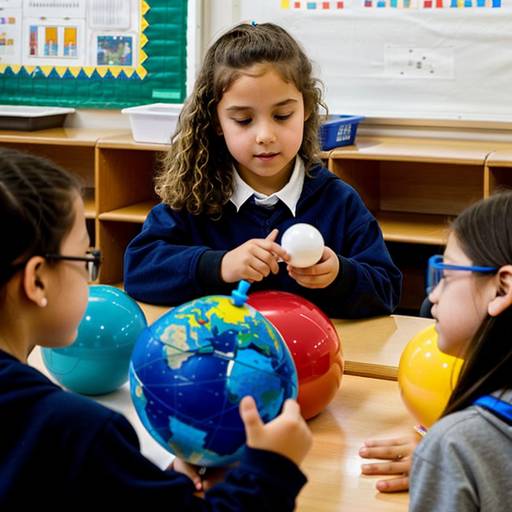
This 2nd-grade science lesson focuses on introducing students to the concepts of push and pull as forces that cause movement. The lesson begins with a discussion where students share their experiences and observations about pushing and pulling objects. Following this, the teacher provides a direct instructional segment using toy cars and balls to demonstrate how these forces create movement and involve energy.
Students then participate in a hands-on experiment, working in small groups to test different degrees of pushes and pulls on toy cars and balls rolled down ramps. They will measure the distance traveled and document their observations. Throughout the experiment, students will engage in discussions within their groups about their findings. The lesson concludes with each group sharing their discoveries with the class, reinforcing their understanding of how pushes and pulls affect energy and movement in real-life scenarios.
Assessment will be based on student participation, the quality of their recorded observations, and their ability to articulate the relationship between forces and energy. There are opportunities for extension activities and differentiation to support diverse learners, ensuring that the lesson is engaging and accessible for all students.