
Filters
Level
Grade
Subject
Subject Area
Subject Topic
Standard(s)
Audience
Keyword
DurationMinutes
2nd Grade Physical Science Lesson Plans

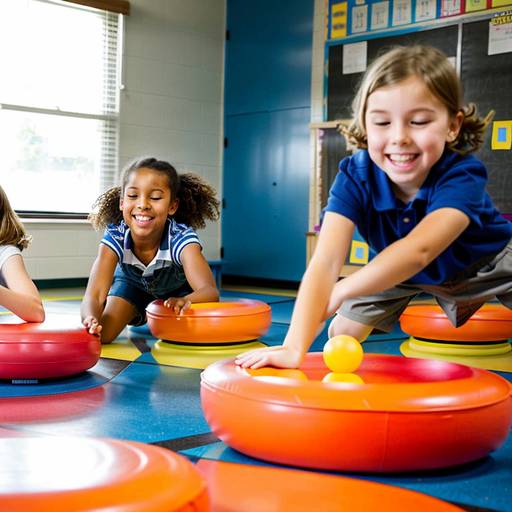
In this 2nd-grade science lesson focused on physical science, students will explore the concepts of energy and motion through engaging activities. They will learn about two main types of energy: kinetic energy, which is the energy of motion, and potential energy, which is the stored energy of position. The lesson begins with a discussion to elicit students' ideas about energy, followed by demonstrations showcasing the conversion of potential energy into kinetic energy using a ramp.
Students will then engage in a hands-on experiment in small groups, using different types of balls (rubber and ping pong) to observe how height affects the distance traveled when rolled down a ramp. They will predict outcomes, measure distances, and record their findings, fostering teamwork and critical thinking skills. The lesson concludes with a class discussion, where students share their observations and reflect on how energy was demonstrated during the activities. Assessment will be based on participation, collaboration, and the accuracy of their recorded results. Extensions for further exploration of energy in everyday life are suggested for future lessons.

In this 2nd-grade physical science lesson, students explore the concepts of motion and forces, particularly focusing on pushes and pulls. The lesson begins with a discussion on various ways students move and introduces key vocabulary related to motion.
Students engage in two hands-on activities: first, experimenting with toy cars to observe how different forces affect their movement. They then form small groups to conduct marble races using rubber bands as a means of propulsion, allowing them to see firsthand how force influences speed and distance. After these activities, students come together to share their observations and contribute to a class chart that summarizes their findings about motion and everyday examples of push and pull.
The lesson concludes with an assessment based on observational insights and a quick reflection activity, encouraging students to express what they learned. Extensions include additional exploration stations and discussions about friction, helping to deepen their understanding of how different factors influence motion. Overall, the lesson aims to foster curiosity and foundational knowledge in physical science through interactive learning experiences.
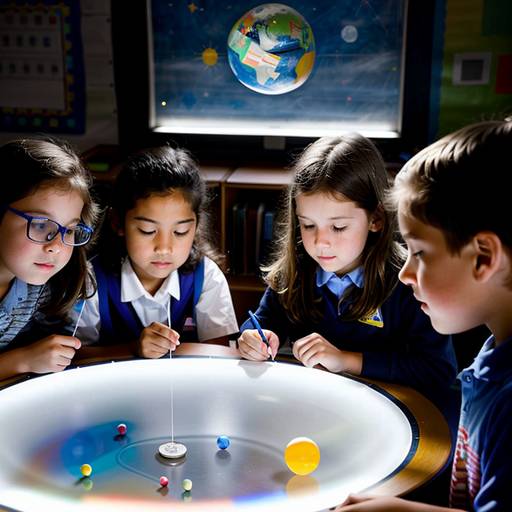
In this 60-minute lesson for 2nd graders, students will explore the concept of matter and its different states: solids, liquids, and gases. The lesson begins with a discussion to define matter and its characteristics, encouraging students to share examples from their experiences. They will then work in small groups to classify various objects provided, allowing them to engage in hands-on activities involving water to observe the properties of liquids.
Following that, the teacher will demonstrate how matter can change states using ice melting into water and boiling water producing steam. This visual and interactive approach helps solidify students' understanding of matter. In the final part of the lesson, students will create simple models of matter using Popsicle sticks, representing a solid, liquid, or gas, and share their creations with the class.
To assess understanding, students will complete an exit ticket that includes drawing examples of each state of matter and writing a brief description of what matter is. The lesson emphasizes exploration, observation, and group collaboration, while providing opportunities for differentiation to cater to varying learning needs. As an extension, students can conduct a simple home experiment to observe changes in matter, fostering a connection between classroom learning and real-world applications.
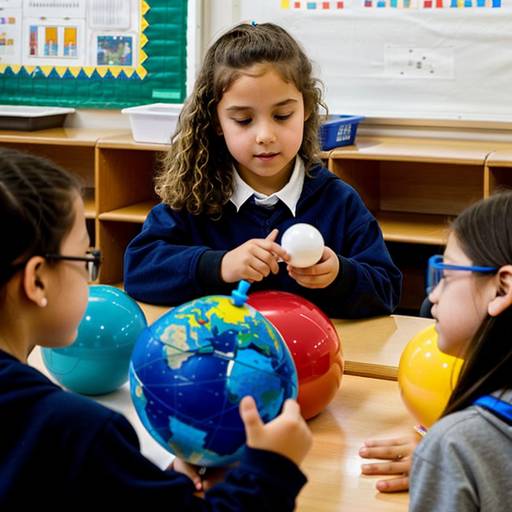
This 2nd-grade science lesson focuses on introducing students to the concepts of push and pull as forces that cause movement. The lesson begins with a discussion where students share their experiences and observations about pushing and pulling objects. Following this, the teacher provides a direct instructional segment using toy cars and balls to demonstrate how these forces create movement and involve energy.
Students then participate in a hands-on experiment, working in small groups to test different degrees of pushes and pulls on toy cars and balls rolled down ramps. They will measure the distance traveled and document their observations. Throughout the experiment, students will engage in discussions within their groups about their findings. The lesson concludes with each group sharing their discoveries with the class, reinforcing their understanding of how pushes and pulls affect energy and movement in real-life scenarios.
Assessment will be based on student participation, the quality of their recorded observations, and their ability to articulate the relationship between forces and energy. There are opportunities for extension activities and differentiation to support diverse learners, ensuring that the lesson is engaging and accessible for all students.
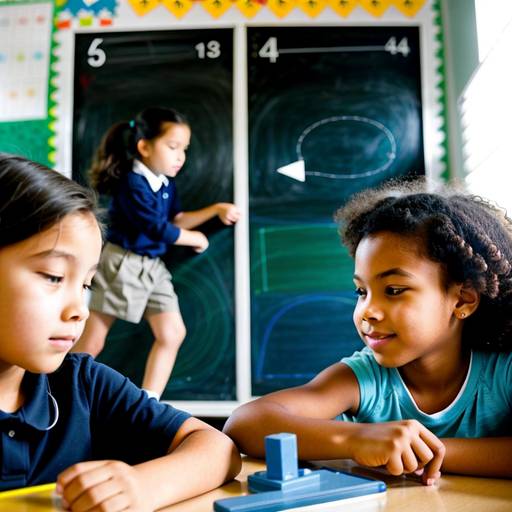
This 2nd-grade science lesson introduces students to the concept of energy, focusing on kinetic and potential energy through engaging, hands-on activities. The lesson begins with a discussion to gauge students' prior knowledge about energy, followed by the exploration of two main types of energy.
During the first activity, students create balloon rockets to observe how potential energy in the air is transformed into kinetic energy as the balloons are released. In the second activity, students work in small groups to launch toy cars using rubber bands and ramps, experimenting with different ramp heights and measuring the cars' distances traveled and speeds.
The lesson concludes with a group discussion where students share their discoveries and complete worksheets that reinforce what they learned. Through observation and assessment, the teacher evaluates student understanding and engagement, and opportunities for extension are suggested to encourage further exploration of energy in their everyday lives. The lesson effectively combines theoretical concepts with practical application, promoting active learning and collaboration among students.
This 2nd grade science lesson focuses on the fundamental concept of matter, exploring its three states: solid, liquid, and gas. Students will engage in discussions to define and identify these states using everyday examples. Through a hands-on experiment, they will observe the melting of ice to understand state changes and the properties of each state. In small groups, students will document their findings through drawings and shared observations. The lesson concludes with a review of concepts and an exit ticket activity to assess understanding. This interactive approach fosters inquiry and collaboration while engaging students in the fascinating world of physical science.
In this 2nd-grade science lesson, students explore the concepts of motion and force through engaging discussions, demonstrations, and hands-on activities. The lesson begins with students sharing their observations of how objects move, which leads to an introduction of the terms "motion" and "force." Teachers demonstrate how different surfaces affect the movement of objects and explain the mechanics of pushing and pulling.
After the introductory discussion, students participate in a group experiment using toy cars and ramps. They set up ramps at various angles to test how far their cars travel when released, measuring the distance and recording their results. Through this activity, students discover the relationship between the angle of the ramp, the force applied, and the resulting motion.
The lesson concludes with each group presenting their findings and sharing their favorite moving objects from home, further reinforcing their understanding of pushes and pulls. Students also create drawings to illustrate their favorite moving objects, labeling them according to the forces involved. Throughout the lesson, students engage collaboratively, fostering a deeper understanding of physical science concepts related to motion.
This lesson focuses on introducing 2nd-grade students to the concept of matter, specifically the three states: solid, liquid, and gas. Students will begin by defining matter and discussing its characteristics through a combination of direct instruction and visual aids. The lesson includes engaging demonstrations using ice, water, and air to illustrate the properties of each state.
In guided practice, students will classify various everyday objects as solids, liquids, or gases in small groups, fostering collaborative learning. The hands-on activity involves observing the melting of ice and the evaporation of water to illustrate state changes. Throughout the lesson, students will share their observations and engage in discussions to reinforce their understanding.
To assess learning, participation will be monitored, worksheets will be reviewed, and an informal quiz will help gauge comprehension. Extensions encourage students to explore real-life matter examples at home. Accommodations will be provided to ensure all students can engage effectively with the material. Overall, the lesson aims to make the concept of matter visually and practically accessible to young learners.
This lesson plan for 2nd-grade students focuses on the concept of matter, specifically exploring the three states: solids, liquids, and gases. The lesson begins with an engaging discussion where students share their favorite drinks, linking their experiences to the states of matter. Through direct instruction, students learn simple definitions and characteristics of solids, liquids, and gases, supported by visual aids.
Students then participate in hands-on experiments at designated stations, where they examine ice cubes, pour water into cups, and explore the properties of air in an inflated balloon. After rotating through the stations, the class comes together for a discussion to share their observations and consider how temperature can affect the states of matter.
The lesson concludes with a review of key concepts and an exit ticket activity where students draw and describe their favorite state of matter. Assessment is based on participation in discussions and experiments, as well as the reflections expressed in their exit tickets. Extension activities encourage students to connect what they’ve learned to their home environment. Overall, the lesson combines exploration, critical thinking, and creativity to foster a foundational understanding of matter.
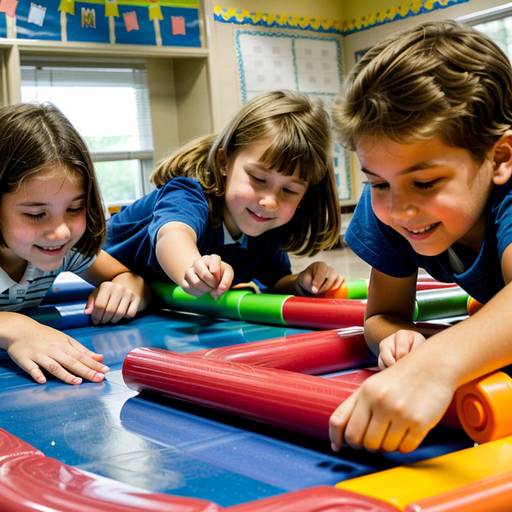
In this 2nd-grade science lesson focused on physical science and motion, students will explore basic concepts of movement, including rolling, sliding, and spinning. The lesson begins with an engaging discussion that prompts students to think about how different objects move. Next, the teacher explains motion and demonstrates how various objects behave on a ramp, emphasizing the influence of forces.
Students are then divided into small groups to participate in hands-on activities. Each group tests different objects by rolling them down a ramp, sliding them on a flat surface, and spinning them to observe and measure their motions. They will record their findings on worksheets, encouraging collaboration and discussion within their groups.
The lesson concludes with a group discussion where each team shares their observations, allowing students to compare results and reinforce their understanding of the types of motion studied. Assessment will be based on participation, engagement during activities, and the quality of observations recorded. Opportunities for extension activities will be provided for students who finish early, fostering further exploration and creativity in understanding motion. Throughout the lesson, safety practices will be emphasized.