
Filters
Level
Grade
Subject
Subject Area
Subject Topic
Standard(s)
Audience
Keyword
DurationMinutes
2nd Grade Coordination Lesson Plans

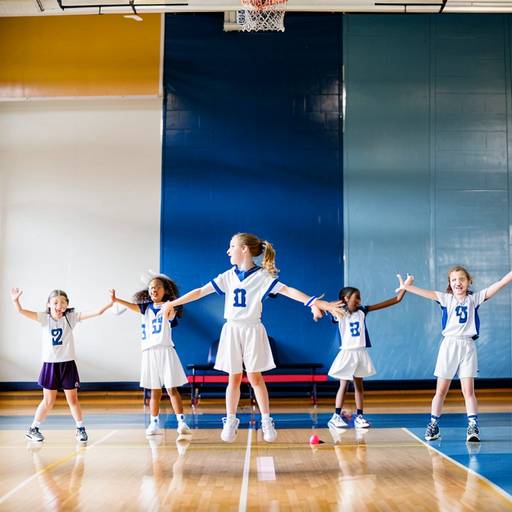
This lesson plan focuses on developing balance and coordination skills for 2nd-grade students through engaging activities and games. The session begins with a brief introduction to the importance of these skills, followed by a warm-up that incorporates balance challenges set to music. Students then rotate through four activity stations that include hopping between hula hoops, tossing bean bags towards targets, walking across balance beams, and practicing partner passes with a soft ball.
To reinforce teamwork and friendly competition, the class participates in a group relay game that combines various balance tasks. The lesson concludes with a cool-down period featuring gentle stretches and a reflective discussion, allowing students to share their thoughts on what they learned. Throughout the session, students are encouraged to support each other, and accommodations are provided for those who need additional assistance, ensuring an inclusive environment that fosters physical development and cooperation.
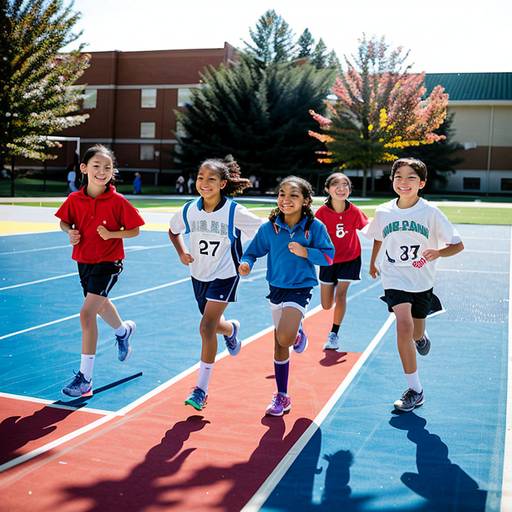
This lesson plan is designed for 2nd-grade students and focuses on enhancing coordination and fostering teamwork through engaging relay activities. The session begins with a brief discussion on the importance of cooperation and communication in sports and everyday life. A dynamic warm-up prepares students for physical activity by incorporating movement and stretches.
Students participate in a series of relay race stations, each featuring different activities designed to promote coordination, such as balancing a bean bag, tossing and catching, passing a hula hoop while staying connected, and jumping rope. Teams rotate through these stations, with a specific time allocated for each, encouraging collaboration and strategy among teammates.
The lesson concludes with a cool-down period focused on deep breathing and stretching, followed by a reflective discussion where students share their experiences and insights about teamwork and coordination during the activities. The instructor assesses student participation and cooperation throughout the session, highlighting the significance of these skills in various aspects of life. Modifications are included to support diverse learners and ensure inclusive participation.
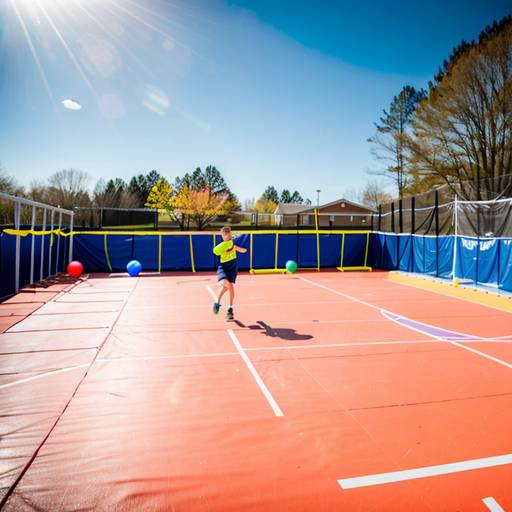
This 2nd-grade physical education lesson focuses on improving coordination and teamwork through an engaging obstacle course activity. Students participate in a dynamic warm-up to prepare for physical activity and then split into small teams to navigate various stations designed to enhance coordination skills. The course includes tasks such as jumping through hula hoops, weaving around cones, skipping over jump ropes, and tossing soft balls. Teams will encourage each other, fostering communication and collaboration. After completing the obstacle course, students engage in a group reflection to discuss their experiences and strategies used to support one another. The lesson concludes with a cool-down routine to relax their bodies, emphasizing the importance of teamwork and physical fitness. Observations during the activity will assess students' interaction and coordination skills, with adaptations available for those needing additional support.
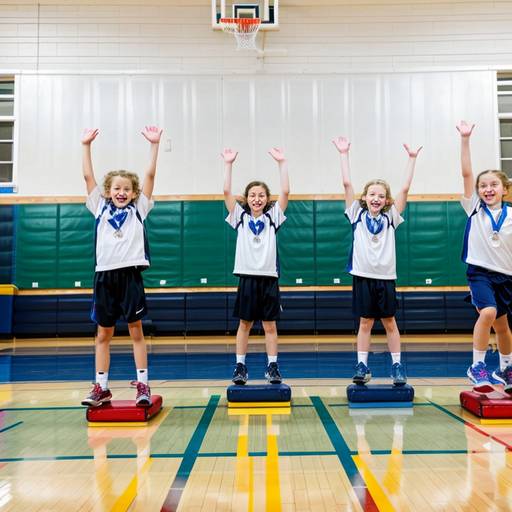
This physical education lesson for 2nd graders focuses on developing coordination and balance through engaging activities. The session begins with a fun introduction that explains the concepts of balance and coordination, followed by a lively warm-up involving a freeze dance game.
Students then participate in three main activities: navigating challenges with hula hoops to enhance balance, walking across balance beams using various techniques, and practicing toss-and-catch exercises with soft balls while balancing on one foot to improve hand-eye coordination.
To conclude, the students cool down with deep breathing and stretching, followed by a group reflection where they share what they learned during the lesson. Assessment is based on observation of student participation and their ability to demonstrate balance and coordination skills. Adaptations are available to support all learners, ensuring an inclusive and fun environment. Overall, this lesson promotes physical activity while building foundational motor skills essential for sports and daily activities.
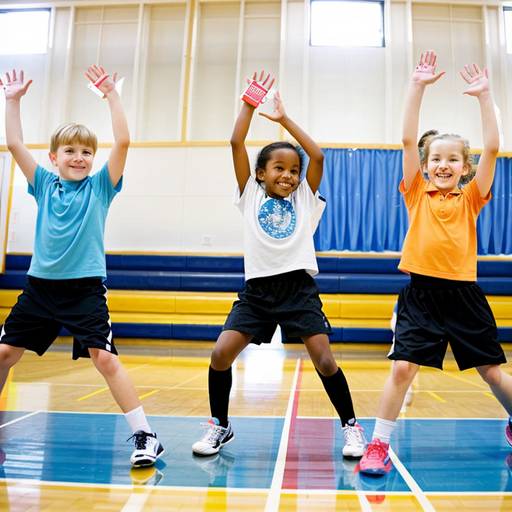
This lesson plan focuses on enhancing coordination and balance for 2nd-grade students through engaging physical activities. The session begins with a brief introduction to the importance of these skills, followed by a warm-up to prepare their bodies.
Students participate in a series of activities designed to promote balance and coordination, including stepping in and out of hula hoops, walking across balance beams, and navigating an obstacle course that combines various movements. Each activity encourages teamwork and provides opportunities for students to support one another.
The lesson concludes with a cool-down session where students reflect on their experiences and engage in gentle stretching. Throughout the activities, instructors assess student progress by observing their ability to maintain balance and safely navigate challenges, providing positive feedback and encouragement.
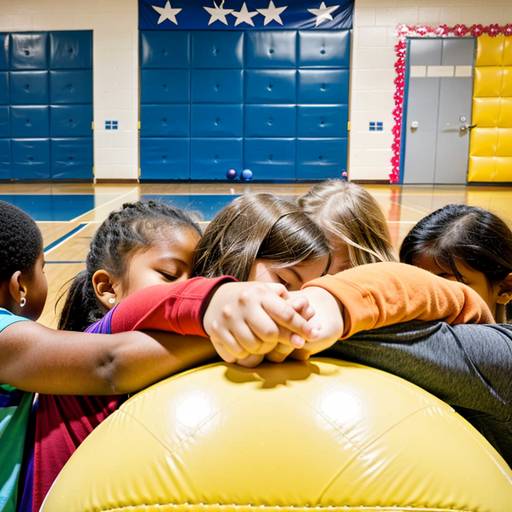
In this 2nd-grade Physical Education lesson, students will focus on enhancing their coordination skills and developing teamwork abilities through a series of engaging activities. The lesson begins with a warm-up activity where students follow a leader in various movements to promote physical engagement. After a brief introduction to coordination, students will participate in a team-building challenge where they must pass a hula hoop around a circle without breaking the chain of connected hands, fostering collaboration and communication.
Next, students will compete in a relay race involving bean bag tossing to a hoop, emphasizing coordination and teamwork as they relay their turns. The lesson wraps up with a cool down that includes gentle stretches and a reflective discussion on the day's activities, allowing students to share their experiences and insights on coordination and teamwork. The instructor will assess participation and understanding through observation and group discussion. Adaptations will be made as necessary to support all learners, ensuring an inclusive and positive environment for skill development and collaboration.
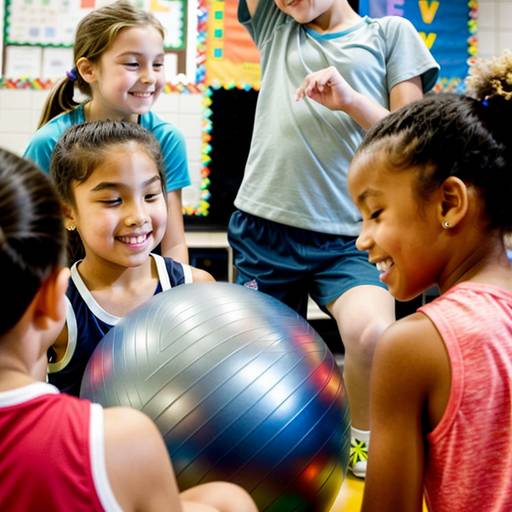
This 2nd Grade Physical Education lesson focuses on developing coordination skills and promoting teamwork among students through engaging activities. The session begins with a warm-up that includes dynamic stretches and a fun game to enhance coordination. Students are then divided into small groups and rotate through three main activities: passing a hula hoop while holding hands, tossing bean bags to each other, and completing a relay race while balancing a soft ball. Each activity encourages communication and collaboration within teams, fostering a spirit of cooperation. The lesson concludes with a group discussion where students reflect on their experiences and feelings about teamwork, followed by a calming cool-down stretch. Throughout the activities, teachers assess students’ abilities to work together and coordinate effectively, ensuring an inclusive environment for all participants. Optional extensions include introducing mini team sports to further practice these skills.
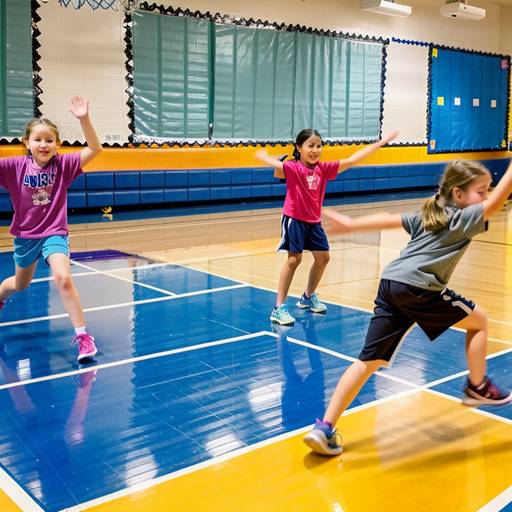
This second-grade physical education lesson focuses on improving coordination and balance through a series of engaging activities. The session begins with a warm-up that includes dynamic stretches and a movement game to prepare students for physical activity.
After a brief introduction explaining the importance of balance and coordination, students participate in four activity stations. Each station emphasizes different skills: walking inside hula hoops while balancing on one foot, weaving through cones, walking across a balance beam, and playing a musical balance game.
A group challenge encourages teamwork and creativity as students work together to transport a bean bag using unconventional methods. The lesson concludes with a cool-down featuring gentle stretches and a reflection session where students share their experiences, challenges, and favorite activities.
Assessment is based on students' participation and ability to perform balance and coordination tasks. Adaptations are provided to support students with varying abilities, ensuring that everyone can engage in the lesson. Overall, the lesson aims to enhance essential motor skills while keeping students active and entertained.