
Filters
Level
Grade
Subject
Subject Area
Subject Topic
Standard(s)
Audience
Keyword
DurationMinutes
2nd Grade Music Theory Lesson Plans

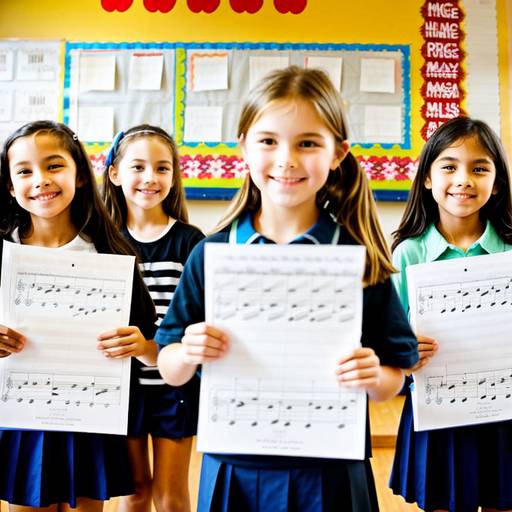
In this 2nd-grade music lesson, students will explore the basics of rhythm and music theory by learning about different note values, including quarter notes, half notes, and whole notes. The lesson begins with a discussion on rhythm, followed by a group clapping activity where students practice clapping simple patterns that incorporate the note values. Afterward, students will engage in a hands-on activity using percussion instruments to create their rhythms, emphasizing the importance of maintaining a steady beat.
To reinforce their understanding, students will create their own rhythmic patterns on worksheets, which they will later share with the class by clapping or using their instruments. The lesson concludes with a reflection on the concepts learned and how rhythm influences music. Assessment will be based on participation, the ability to perform rhythmic patterns, and the completion of worksheets. Extension activities are suggested to further explore rhythm through movement and technology.
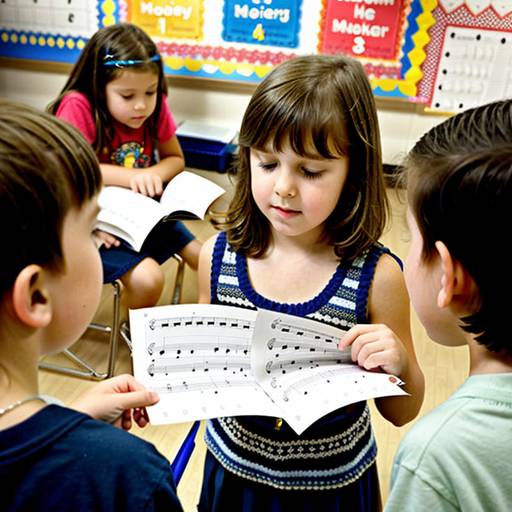
In this 2nd-grade music lesson plan, students will explore music theory by focusing on identifying and naming musical notes on the treble staff. The lesson begins with a fun song that introduces the concept of note names, followed by direct instruction where the teacher explains the staff and notes, using interactive engagement to reinforce learning. Students will then participate in a group activity where they compete in a relay race to correctly place note names on blank staff paper. The lesson concludes with a recap of the learned material and an opportunity for students to practice their newfound knowledge through singing. Assessment will be based on observation during activities and the accuracy of students' work, with modifications available for those needing additional support. Extensions may include rhythm activities and using instruments to reinforce sound recognition associated with the notes learned. This lesson emphasizes active participation and collaborative learning while fostering a foundational understanding of music theory.
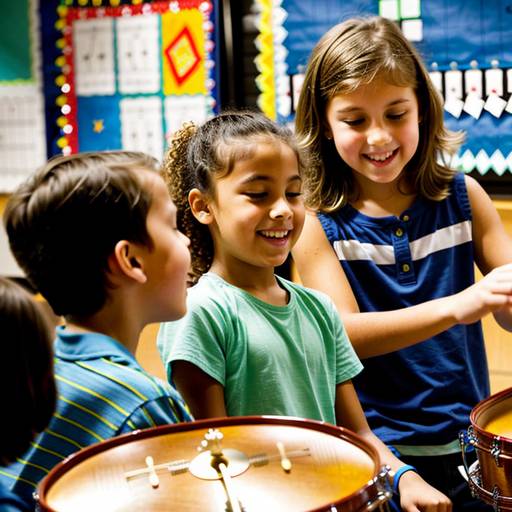
In this engaging 45-minute lesson for 2nd graders, students will explore fundamental concepts of music theory, focusing on rhythm. The class will start with a discussion about rhythm in music, followed by clapping exercises to aid in their understanding. Basic rhythmic notations such as quarter notes, eighth notes, and rests will be introduced, with students practicing and echoing patterns together.
After gaining familiarity with these rhythms, students will work in pairs to clap and vocalize rhythm patterns from provided worksheets. Next, they will create their own unique 4-beat rhythm patterns that incorporate the learned notations. Students will then perform their rhythms in small groups using body percussion or classroom instruments, fostering creativity and collaboration in a fun environment.
The lesson will conclude with a reflective discussion about their experiences and feelings during the performances. Assessment will be based on participation, worksheet comprehension, and group performance. Differentiation strategies will provide support for varying skill levels, ensuring an inclusive learning experience for all students.
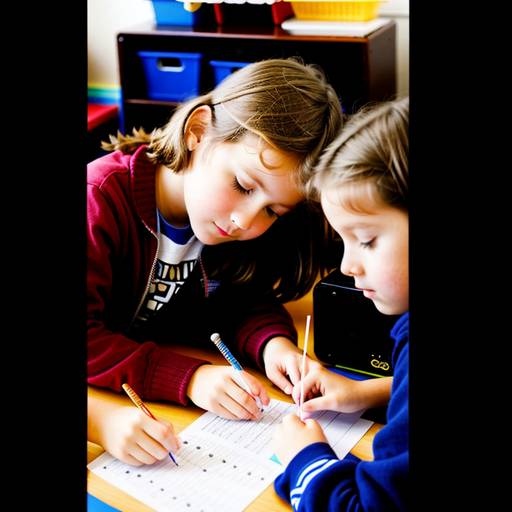
In this 2nd-grade music lesson, students will explore music theory by learning to identify and name musical notes on the treble clef staff. The class will begin with a discussion about the importance of music and an introduction to the treble clef, including the placement of the notes A, B, C, D, E, F, and G on the staff and keyboard. Following direct instruction, students will participate in an engaging treasure hunt activity where they will search for clue cards around the classroom, answer questions related to note identification, and earn stickers or small prizes. The lesson will conclude with a group review, allowing students to share their discoveries and reinforce their understanding of the notes as foundational elements of music. Assessment will include observation during the treasure hunt and a simple quiz on note identification. The following lesson will encourage students to apply their knowledge by composing and performing simple melodies using the notes they've learned.
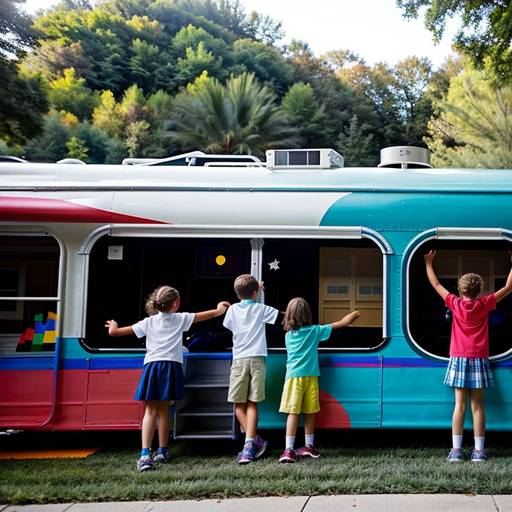
This music lesson for 2nd grade students focuses on introducing the basics of music theory, specifically the identification and naming of musical notes on the staff. The session begins with a brief explanation of musical notes and their importance in music, followed by an engaging discovery phase where students learn the names and positions of the notes (A, B, C, D, E, F, G).
Students participate in an interactive relay activity that reinforces their understanding through team collaboration and fun competition. They then apply their knowledge by creating rhythmic patterns using small percussion instruments while naming the notes aloud. The lesson concludes with a reflection on what they learned and a creative coloring worksheet to reinforce the note names.
Assessment is conducted through observation during activities and the completion of worksheets, with opportunities for extension activities and group singing planned for future lessons. The focus is on fostering enjoyment and a positive learning environment as students explore the world of music.

In this 2nd-grade music lesson, students explore music theory through an engaging combination of activities focused on note names and rhythm. The class begins with an introduction to the staff and treble clef, where students learn to identify and label musical notes, including those on the lines and spaces of the staff.
Students participate in a relay activity, working in teams to correctly place note name flashcards on a drawn staff, reinforcing their understanding of note identification. This is followed by a clapping circle where they learn about quarter notes and half notes, practicing simple rhythm patterns together.
The lesson concludes with an auditory activity, where students listen to short melodies, identifying notes based on their position on the staff. The session wraps up with a class discussion and a homework assignment that allows students to practice drawing the staff and labeling notes. Overall, the lesson promotes active participation, collaboration, and a solid foundation in basic music theory concepts.
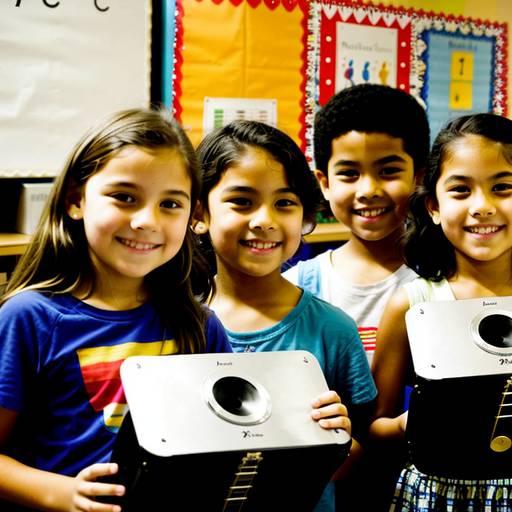
In this 45-minute music lesson for 2nd graders, students explore the concepts of rhythm and basic music notation. The lesson begins with an introduction to rhythm and a distinction between steady beat and rhythm patterns, using clapping as an interactive example. Students engage in a warm-up activity that includes body percussion to build their rhythm skills.
Following this, the teacher introduces basic rhythmic notations such as quarter notes, eighth notes, and half notes, using visuals to enhance understanding. Students are then divided into groups, where they practice and create their own rhythm patterns using body percussion or instruments. Each group shares their rhythm creations with the class, allowing for collaborative learning and expression.
The lesson wraps up with a reflection on what students learned and a discussion about their favorite rhythm patterns. Assessment is based on participation and understanding demonstrated during activities. Extensions include introducing songs that incorporate the rhythmic elements learned, while providing differentiation to support various learning needs within the classroom. By the end, students gain a foundational understanding of rhythm and experience the joy of making music together.
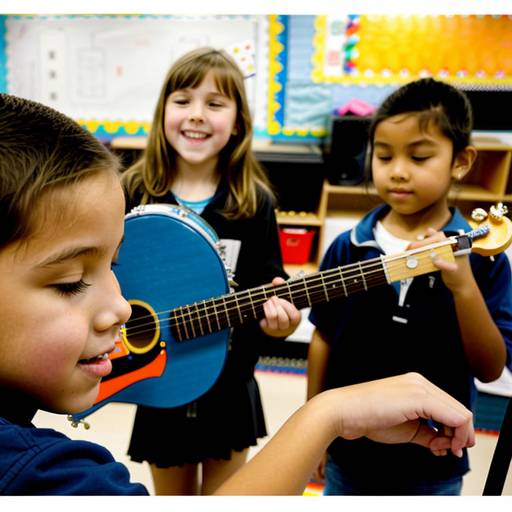
In this 2nd-grade music lesson, students will explore the fundamentals of rhythm and basic music theory by learning about quarter notes, eighth notes, and half notes. The class begins with an introduction to rhythmic values, accompanied by clapping exercises that reinforce counting and timing. Students will then engage with percussion instruments to practice these rhythms in a fun and interactive manner.
Following their instrumental practice, students will have the opportunity to create their own rhythm patterns using the note values introduced earlier. They will work in pairs or small groups to develop their patterns, culminating in a group performance where they can showcase their creativity and collaboration. Throughout the lesson, the teacher will assess student participation and understanding, allowing for feedback and opportunities for further exploration of rhythm outside the classroom. This engaging approach to rhythm aims to foster a love for music and build foundational skills in music theory.