
Filters
Level
Grade
Subject
Subject Area
Subject Topic
Standard(s)
Audience
Keyword
DurationMinutes
2nd Grade Elapsed Time Lesson Plans

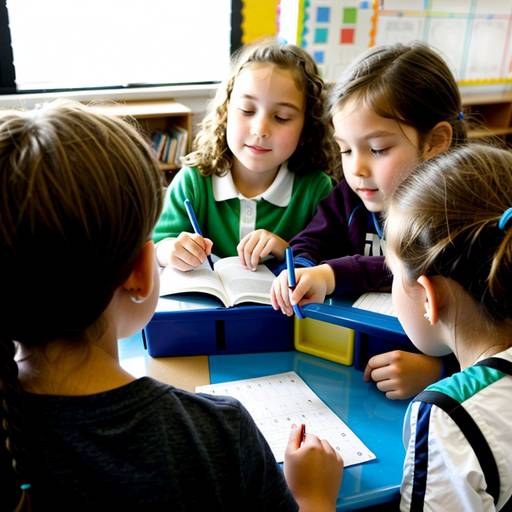
In this 2nd-grade math lesson, students will learn how to read both analog and digital clocks while also exploring the concept of elapsed time through engaging activities. The lesson begins with a discussion where students share their morning routines, helping to contextualize time in their daily lives.
Direct instruction follows, introducing clock reading and elapsed time with clear examples. Guided practice involves working through time-related scenarios on worksheets in pairs, fostering collaboration and reinforcing understanding.
Students will participate in a relay activity to practice telling time and will create drawings representing daily activities that demonstrate elapsed time. The lesson concludes with students sharing their work and reflecting on what they learned, along with a quick exit ticket to assess their understanding. Throughout the lesson, differentiation strategies ensure that all learners can engage with the material effectively.
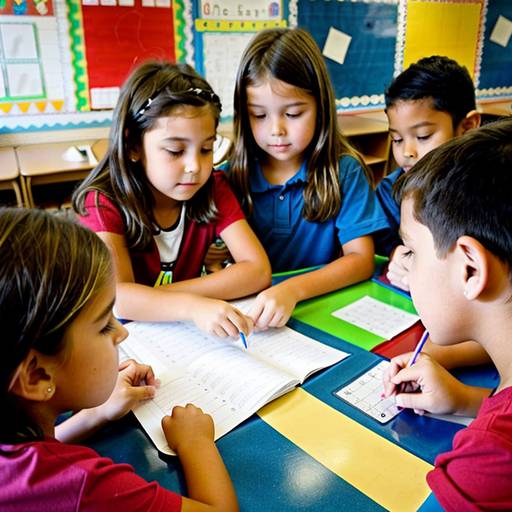
In this 2nd-grade math lesson, students will learn to tell time on both analog and digital clocks while also exploring the concept of elapsed time. The lesson begins with a discussion on the importance of time in daily life, followed by direct instruction that includes reading times aloud and calculating elapsed time through relatable real-life examples.
Students will engage in group activities where they solve elapsed time scenarios, promoting collaboration and communication of their thought processes. After guided practice, each student will complete a worksheet independently to reinforce their understanding.
The lesson concludes with a review of answers and a reflective discussion on the significance of time knowledge, along with an exit ticket for students to express their learning. Assessment will involve monitoring group interactions and reviewing independent work for comprehension. Extensions for early finishers will deepen their engagement with time-related concepts. Overall, the lesson aims to build students' confidence in reading time and calculating durations in everyday situations.

In this 2nd-grade math lesson, students will learn to read both analog and digital clocks, and develop an understanding of elapsed time. The lesson begins with an engaging discussion about time, followed by a matching game where students pair clock flashcards to reinforce their skills. After introducing elapsed time through relatable scenarios, students will work on a worksheet containing various everyday activities that require them to calculate start times, durations, and end times. The class will engage in a discussion to review their answers and clarify any misunderstandings. If time permits, a fun relay activity may be conducted to further solidify their understanding of time concepts. Assessment will be based on observations during activities and the correctness of their completed worksheets. Extensions and differentiation strategies will be provided to meet diverse learning needs, enhancing engagement and mastery of the subject.
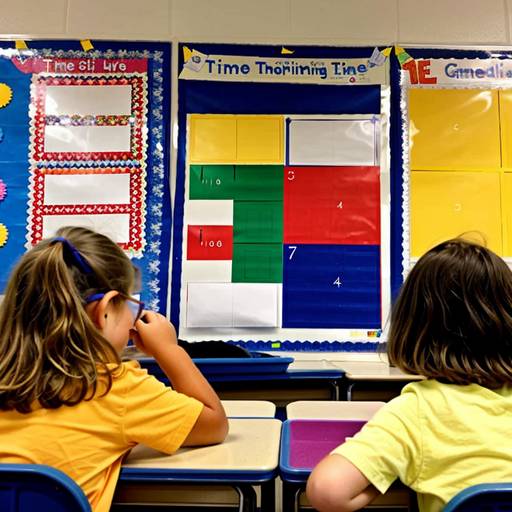
In this 2nd-grade math lesson, students will focus on understanding how to tell time and the concept of elapsed time. The lesson begins with a review of reading analog and digital clocks, followed by an engaging story that incorporates time references.
Students will learn about elapsed time through direct instruction and visual demonstrations, including practical examples of scenarios like reading time or engaging in play. They will then participate in a group activity where they solve elapsed time problems collaboratively, using timers to simulate real-life situations.
For independent practice, students will complete a worksheet that includes various elapsed time questions, reinforcing their understanding of the concept. The lesson concludes with a review of the answers, allowing for clarification of any confusions. Assessment will occur through observation during group activities and evaluation of the worksheets.
This interactive and comprehensive approach provides students with a solid foundation in telling time and understanding how time passes throughout the day, effectively preparing them for future mathematical concepts related to time.