
Filters
Level
Grade
Subject
Subject Area
Subject Topic
Standard(s)
Audience
Keyword
DurationMinutes
2nd Grade Patterns Lesson Plans

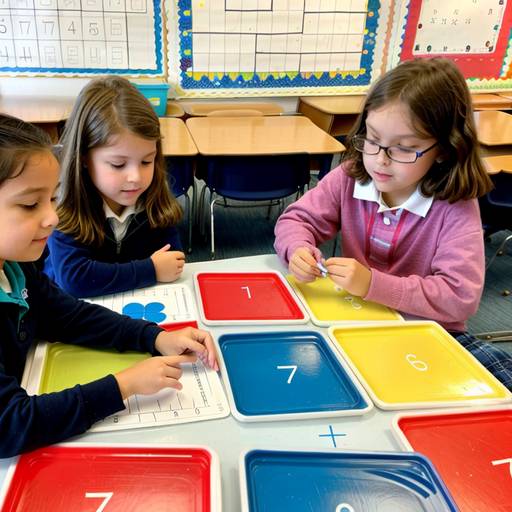
In this 2nd-grade math lesson, students will explore the concept of multiplication as repeated addition while discovering patterns in numbers. The lesson begins with a warm-up activity that involves counting and discussing grouping, leading to an introduction of multiplication. Direct instruction will model multiplication using manipulatives and highlight patterns found in specific multiplication tables, such as those for 2s, 5s, and 10s.
Students will then participate in a group activity where they create visual patterns using colored tiles based on assigned multiplication facts, fostering collaboration and critical thinking. After sharing their creations, students will move on to independent practice with a worksheet that reinforces their understanding of multiplication through pattern identification.
The closure of the lesson encourages reflection, as students share their learning experiences. Assessment will be based on student participation during activities and the completion of worksheets, ensuring that all students grasp the relationship between multiplication and patterns. Extensions and support will be provided to accommodate diverse learning needs within the classroom.

In this 1-hour math lesson designed for 2nd-grade students, the focus is on understanding multiplication through the lens of repeated addition and recognizing patterns formed by multiplication facts. The lesson begins with a review of addition and an introduction to basic multiplication facts (up to 5) using visual aids such as drawings of groups of objects.
Students participate in guided practice by working in small groups to create patterns using blocks based on assigned multiplication facts. They then share their creations with the class, fostering understanding through collaboration. Independent practice involves completing a worksheet that includes multiplication problems and pattern identification.
In the closure, students reflect on their learning and share insights about multiplication and patterns. The lesson includes differentiated strategies to support varying skill levels and offers a homework assignment that encourages further exploration of multiplication patterns using everyday objects. Overall, this engaging and interactive approach aims to reinforce students' understanding of multiplication and the patterns it creates.
This 60-minute math lesson for 2nd graders focuses on teaching multiplication through the exploration of patterns. Students will begin by reviewing multiplication as repeated addition and will identify patterns in multiplication tables. The lesson will include hands-on activities, where students will work in groups to create and present their own multiplication patterns using manipulatives like pattern blocks or colored paper shapes. Guided practice will reinforce their understanding through worksheets that combine multiplication problems with pattern recognition tasks. The lesson concludes with a review of key concepts and encourages students to share their discoveries. Assessment will include observing student participation and evaluating their worksheets and presentations. Accommodations and extensions will be available to support diverse learners and deepen understanding of the topic.
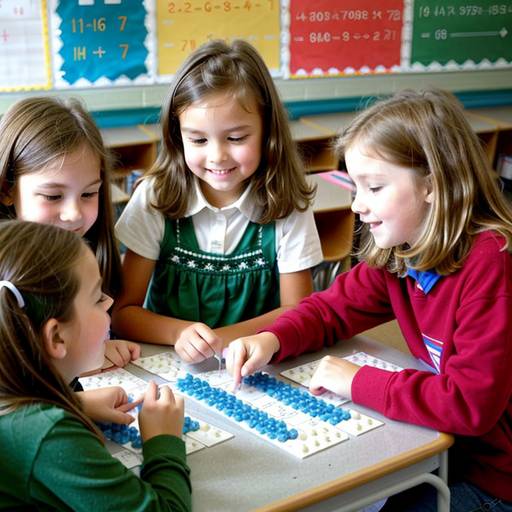
In this 2nd-grade math lesson, students will explore the concept of multiplication as repeated addition while also identifying and creating patterns. The lesson begins with a discussion on what multiplication means, using real-life examples to connect with students. Visual representations of groups will illustrate the idea of repeated addition.
Next, the teacher will introduce the multiplication symbol and demonstrate simple multiplication patterns, such as the 2s or 5s, using skip counting. Students will then participate in small group activities using pattern blocks or counters to create their own multiplication patterns, sharing their work with the class.
For independent practice, students will complete worksheets featuring various multiplication problems and a section for creating multiplication patterns. The teacher will monitor progress and provide support as needed. The lesson wraps up with a recap of key concepts, allowing a few students to share their insights and rewarding participation with stickers.
Assessment will involve observing student engagement and reviewing completed worksheets to gauge understanding. Differentiation strategies will be implemented to support both advanced learners and those who may struggle with the material. As a homework assignment, students will be encouraged to create a multiplication pattern at home using everyday objects to further reinforce their learning.