
Filters
Level
Grade
Subject
Subject Area
Subject Topic
Standard(s)
Audience
Keyword
DurationMinutes
2nd Grade Arrays Lesson Plans

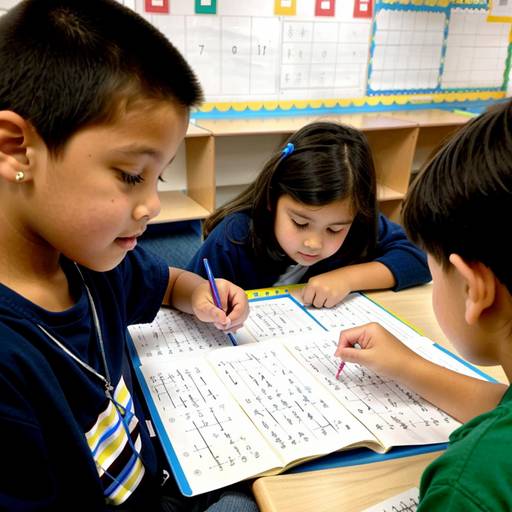
In this 60-minute math lesson, 2nd-grade students will explore the concept of multiplication through the use of arrays. The lesson begins with an engaging discussion about organizing objects in rows and columns, followed by a clear definition and demonstration of arrays on the whiteboard. Students will then participate in a guided group activity, where they will create their own arrays using counters to represent specific multiplication problems. Afterward, they will complete worksheets that require them to draw arrays and write corresponding multiplication sentences independently. The lesson concludes with students sharing their work and reflecting on their understanding of the relationship between arrays and multiplication. Throughout the lesson, teachers will assess student understanding through observation and review of completed worksheets, with adaptations available for varying skill levels. Extensions include opportunities for digital creation and exploring larger numbers.
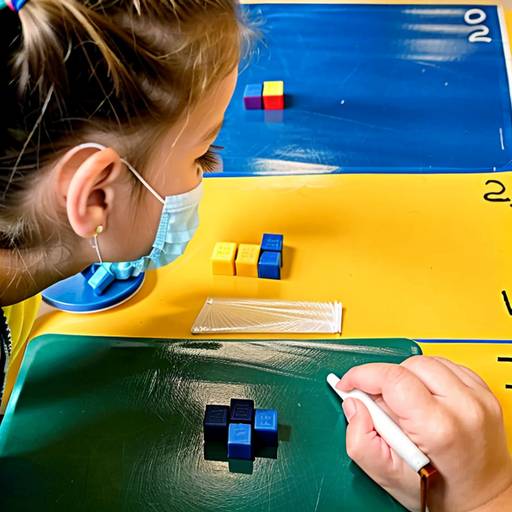
This lesson plan focuses on teaching 2nd-grade students the concept of multiplication through the use of arrays. The lesson begins with a hands-on activity involving counting and grouping objects to illustrate how multiplication relates to repeated addition. Students are introduced to arrays as a way to visually represent multiplication problems, demonstrating how rows and columns correlate with the factors involved.
During direct instruction, the teacher explains multiplication with a specific example, encouraging students to visualize the relationship between numbers. Guided practice allows students to draw arrays on grid paper based on verbal multiplication problems, reinforcing their understanding of the concept. Independent practice follows, where students complete worksheets that require them to solve multiplication problems and represent them with arrays.
The lesson concludes with a closure session where students share their work and reflect on what they have learned, solidifying their understanding of how arrays help visualize multiplication. Assessment includes reviewing the completed worksheets for comprehension and monitoring student engagement throughout the lesson. Extensions are suggested for advanced learners to explore area concepts using arrays.