
Filters
Level
Grade
Subject
Subject Area
Subject Topic
Standard(s)
Audience
Keyword
DurationMinutes
2nd Grade Money Lesson Plans

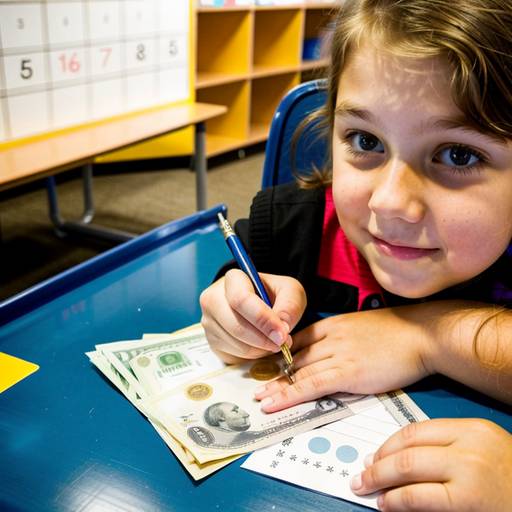
In this 2nd-grade math lesson, students will explore the concept of money by learning about the values of different coins, including pennies, nickels, dimes, and quarters. The lesson begins with an engaging discussion on students’ experiences with money, followed by direct instruction on identifying and valuing each type of coin using a visual chart. Guided practice involves hands-on coin counting activities in small groups, where students will work together to make specific amounts using play money.
Next, students will complete worksheets that focus on coin identification and values in pairs. During independent practice, they will simulate a shopping experience with small items priced in cents, allowing them to apply their counting skills in a real-world context. The lesson concludes with a group reflection on their learning experiences, where students will share insights they've gained about money. Assessment will be conducted through observation, worksheet review, and participation in the shopping simulation. Extensions are available for more advanced learners, including discussions about paper money and classroom economy concepts.
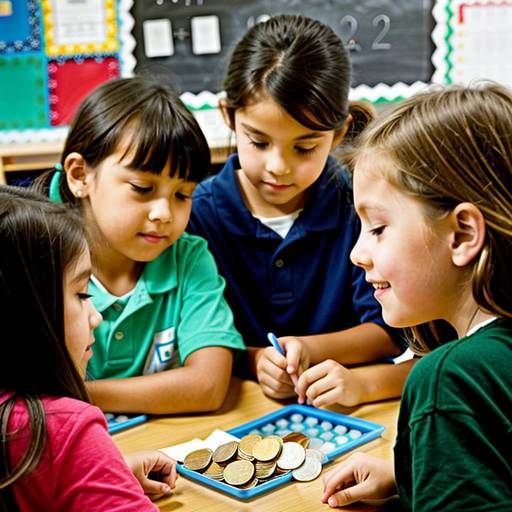
In this engaging 2nd-grade math lesson, students will explore the concept of money by identifying, counting, and comparing various coins and bills. The lesson begins with a discussion about what they could purchase with a dollar, followed by a demonstration of different coins and their values. Students will then participate in a hands-on activity in small groups, counting mixed coins and calculating their total value using a provided counting mat. After this guided practice, they will work independently on worksheets that involve counting coins and matching them to prices from flashcards. The lesson concludes with a whole-group discussion, where students share their strategies and insights, followed by a fun game to reinforce their understanding of pricing. Throughout the session, the teacher will assess students’ understanding through observation and the collection of worksheets, ensuring that all learners can grasp the importance of money in everyday life. Extension activities, such as running a classroom store, will provide additional opportunities for practical application of these newly acquired skills.
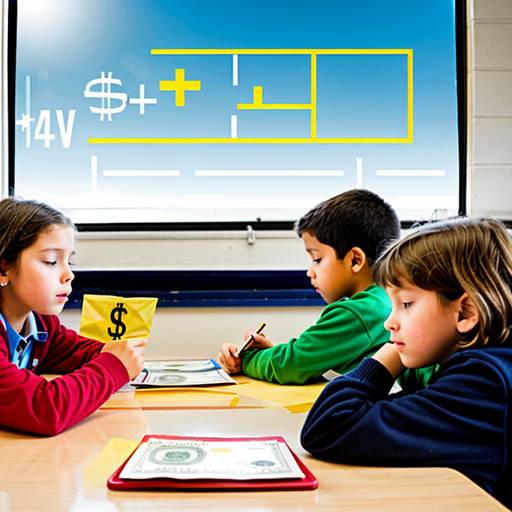
In this engaging 60-minute math lesson for 2nd graders, students will explore the fundamentals of money, specifically focusing on identifying and valuing different coins. The lesson begins with a discussion about the role of money in everyday life and an introduction to the various types of coins—pennies, nickels, dimes, and quarters. Through interactive activities, students will categorize and total real or play coins in small groups, reinforcing their understanding of coin values.
Following this, they will complete worksheets featuring simple addition problems involving coins, allowing them to apply their knowledge in a structured format. The hands-on component of the lesson will involve a classroom store setup where students can use play money to "purchase" items, further practicing counting and making financial transactions.
The lesson concludes with a reflection session that provides students an opportunity to share what they learned, along with an exit ticket task that reinforces their understanding. Throughout the lesson, the teacher will assess student engagement and comprehension, providing support as needed and offering differentiated activities for varying skill levels. This comprehensive approach ensures that students not only grasp the concept of money but also gain practical skills in handling it.
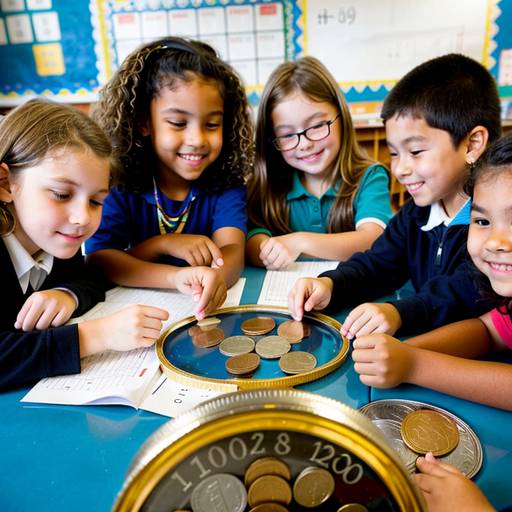
In this 60-minute math lesson for 2nd graders, students will explore the world of money by learning to identify different coins and understand their values. The lesson begins with a discussion about money and an introduction to the various types of coins—including pennies, nickels, dimes, and quarters—and their respective values. Students will engage in direct instruction where they practice counting combinations of coins, followed by guided practice through worksheets that reinforce their understanding.
To reinforce their skills, students will participate in a "Money Memory" game designed to help them match coins with their values. The lesson concludes with a review to solidify their learning and an opportunity for students to share their experiences. Assessment will take the form of observational checks during activities and the review of worksheets to ensure comprehension.
Extensions include creating a small “store” activity to practice buying and selling with play money, while adaptations are provided for students needing additional support or those ready for more challenging tasks. This interactive and hands-on approach aims to enhance students’ understanding of money in practical contexts.