
Filters
Level
Grade
Subject
Subject Area
Subject Topic
Standard(s)
Audience
Keyword
DurationMinutes
2nd Grade Temperature Lesson Plans

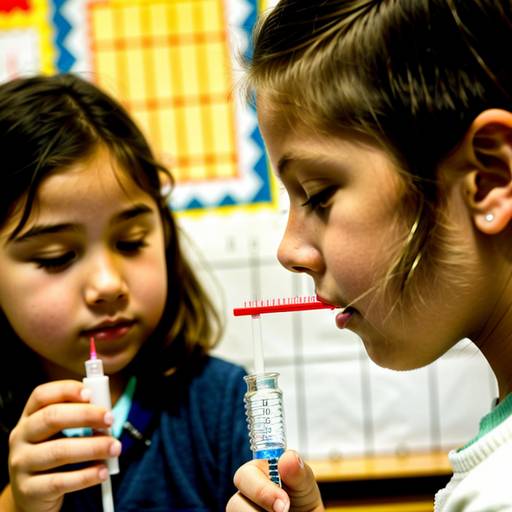
In this 2nd grade math lesson, students will explore the concepts of measurement and temperature through engaging hands-on activities. The lesson begins with a discussion about what measurement means, followed by an introduction to temperature and how to read a thermometer. Students will then participate in a group experiment where they measure the temperatures of ice water and warm water, recording their findings on worksheets and comparing results as a class. After the guided practice, students will engage in an independent drawing activity that reinforces their understanding of temperature, while also incorporating measurement skills. The lesson concludes with a review of key concepts and an exit ticket where students share something they learned. Assessments include observations of group participation, accuracy of completed worksheets, and evaluation of the drawing activity. Extensions and modifications are provided to support all learners. Overall, the lesson aims to foster practical applications of measurement and temperature in a fun and interactive way.
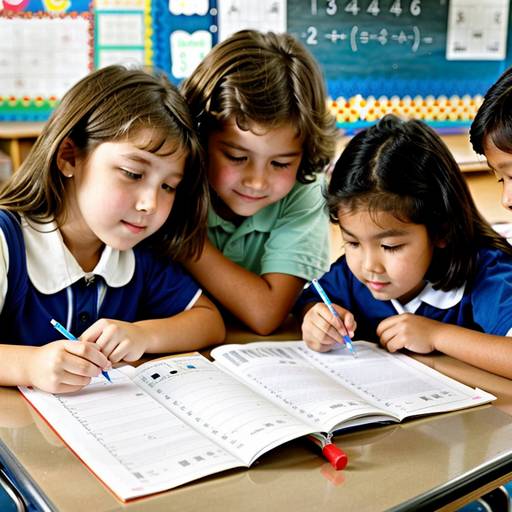
In this 2nd-grade math lesson, students will explore the concepts of measurement and temperature through hands-on activities and collaborative learning. The session begins with an introduction to measurement, where students discuss their experiences and tools used for measuring objects. They will learn how to read a thermometer, understanding the significance of temperature readings.
Students will engage in guided practice by working in small groups to measure various classroom items using rulers or non-standard units and record temperatures with thermometers. Each student will independently measure and document one object while comparing temperature readings with a peer.
The lesson concludes with a class discussion, allowing students to share their findings and insights on the relationships between measurement and temperature. Assessment will be conducted through observation during group activities and by reviewing their completed worksheets for accuracy. Extensions may include exploring weather forecasts and conducting measurement scavenger hunts. This comprehensive lesson aims to enhance students’ understanding of measurement and temperature while promoting teamwork and critical thinking.
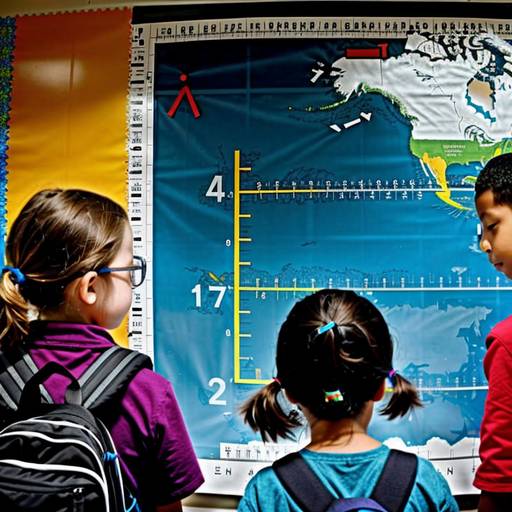
In this 60-minute math lesson for 2nd graders, students will explore the concepts of measurement and temperature through interactive activities. The lesson begins with a discussion about the importance of measurement in everyday life, introducing units such as inches, feet, and centimeters.
Students will then work in pairs to measure three different classroom objects using rulers or measuring tapes, recording their findings in both inches and centimeters. This hands-on activity encourages collaboration and reinforces their understanding of length measurement.
Next, students will learn to read a thermometer and observe outdoor or window-side temperatures, recording their findings. This segment emphasizes the concepts of hot, warm, and cold while fostering discussions about how temperature affects daily life.
Finally, students will participate in a group discussion to reflect on their learning experiences regarding measurement and temperature, sharing insights and observations. Assessment will involve reviewing students' worksheets and observational assessments during activities, while opportunities for extension involve tracking daily temperatures in class and relating temperature to weather and activities.
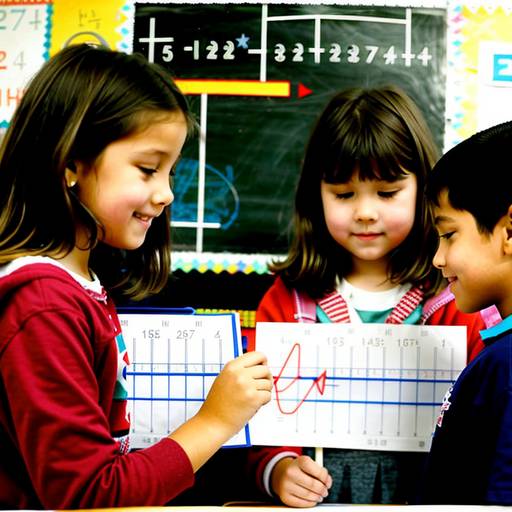
In this 2nd-grade math lesson, students will engage in hands-on activities to learn about measurement and temperature. The lesson begins with a discussion on the significance of weather and introduces the thermometer as a tool for measuring temperature. Students will work in small groups to measure the temperature of various water samples using thermometers and record their findings.
Next, they will explore length measurement using non-standard units such as paper clips or blocks to measure different classroom objects, fostering a practical understanding of size. The collected data will be compiled into a class chart, prompting discussion about the results and comparisons of temperatures and lengths.
To conclude, students will reflect on what they learned and complete a worksheet that reinforces the concepts of measuring temperature and length. Throughout the activities, differentiation strategies will be employed to support varying learning needs, and extensions will encourage students to monitor and report on temperature changes at home. Overall, this lesson aims to develop foundational skills in measurement and foster curiosity about the weather.