
Filters
Level
Grade
Subject
Subject Area
Subject Topic
Standard(s)
Audience
Keyword
DurationMinutes
2nd Grade Symmetry Lesson Plans

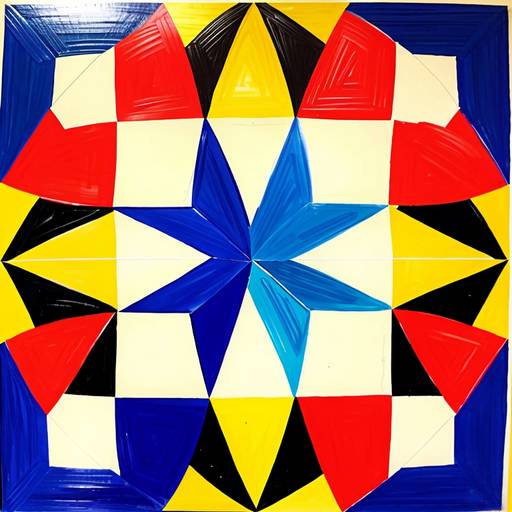
This 2nd-grade math lesson focuses on introducing students to basic geometric shapes and the concept of symmetry. The lesson begins with an engaging discussion about shapes and symmetry in the classroom, followed by a review of common geometric shapes and their attributes. Students will learn about lines of symmetry through direct instruction and visual examples.
During guided practice, they will create their own symmetrical shapes using colored paper and scissors, and explore their creations using mirrors to understand reflection. The lesson also includes an independent art project where students design symmetrical patterns, which they will display in class.
Throughout the lesson, students will be assessed through observation and an exit ticket, where they will draw both symmetrical and asymmetrical shapes to demonstrate their understanding. The lesson incorporates various activities to ensure engagement, differentiation for diverse learners, and extensions to connect geometry with other subjects. Overall, this lesson aims to make learning about geometry and symmetry interactive and enjoyable for the students.
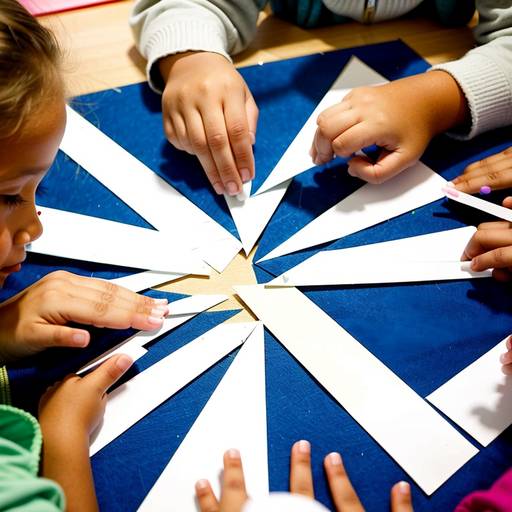
In this 2nd-grade math lesson, students explore the concepts of geometry and symmetry through engaging activities. They begin by discussing various geometric shapes and learning about symmetry, including how one side of a shape can mirror the other. Using mirrors, students examine different shapes to identify lines of symmetry.
Next, they engage in a hands-on activity where they create their own symmetrical designs. Each student draws half of a shape, folds the paper to replicate the other side, and then colors their creation. The lesson encourages collaboration and discussion among peers as they share their designs and insights about symmetry.
To conclude, the class reflects on what they learned, reinforcing the concept of symmetry and encouraging students to observe and identify symmetrical shapes in their surroundings. The lesson incorporates assessments through observation and evaluation of students' creations, with optional extension activities to further deepen understanding. Adaptations are provided to support diverse learners, ensuring that all students can participate meaningfully.
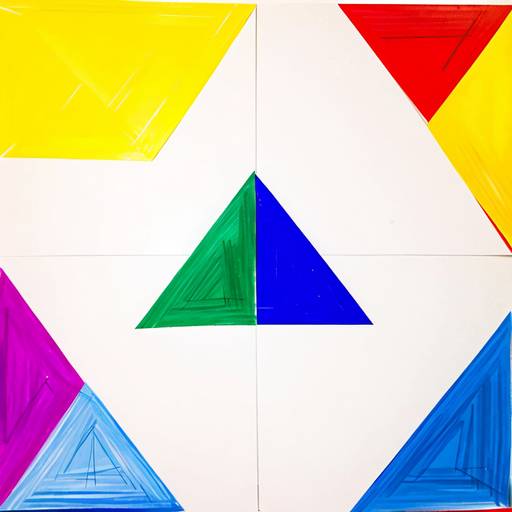
In this engaging math lesson for 2nd graders, students will explore the world of geometry and symmetry through hands-on activities and creative tasks. The lesson begins with a discussion about various 2D shapes, including circles, squares, triangles, and rectangles, and introduces the concept of symmetry. Students will learn to identify symmetrical shapes using mirrors or by folding templates.
During guided practice, they will work in pairs to explore and discuss which shapes exhibit symmetry. Following this, students will have the opportunity to create their own symmetrical designs on graph paper using colored pencils. They will share their designs with the class, reinforcing their understanding of symmetry and the properties of shapes.
The lesson includes both independent and collaborative activities, catering to diverse learning needs and encouraging creativity while solidifying foundational geometry concepts. Assessment will be conducted through observation of participation, review of worksheets, and evaluation of the students' designs. Extensions and modifications are also provided to support differentiated learning.
In this 60-minute lesson plan designed for 2nd-grade students, the focus is on introducing and exploring the concepts of symmetry and geometric shapes. The lesson begins with an engaging discussion to assess prior knowledge, followed by a clear explanation of symmetry and its applications in various shapes. Students will participate in guided activities, where they will identify and draw lines of symmetry on provided cut-outs, encouraging teamwork and collaboration.
As part of the independent practice, each student will create their own symmetrical design on paper, showcasing their creativity while applying their understanding of symmetry. The lesson concludes with a review of key concepts and an exit ticket activity that assesses individual comprehension through a drawing exercise.
Throughout the lesson, opportunities for differentiation and extensions are included to cater to varying student needs and abilities. The integration of art with math makes the learning experience engaging and interactive, helping students grasp the concept of symmetry in a meaningful way.