
Filters
Level
Grade
Subject
Subject Area
Subject Topic
Standard(s)
Audience
Keyword
DurationMinutes
2nd Grade Fractions Lesson Plans

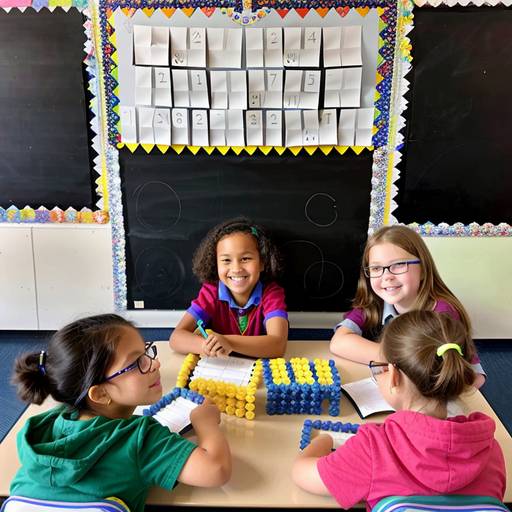
This 2nd-grade math lesson plan focuses on introducing students to the concept of fractions, specifically halves and quarters. The lesson begins with a discussion about fractions in real-life contexts, such as sharing food. Students are guided through direct instruction where they learn to identify and visualize fractions using drawings and examples. They then engage in hands-on activities, cutting paper plates to create and color representations of halves and quarters. Independent practice involves completing a worksheet that reinforces their understanding of the concepts taught. The lesson concludes with a class discussion where students share their learnings, ensuring that the material is both understood and relatable. Assessment is done through observation during activities and reviewing worksheets, and follow-up activities encourage students to explore fractions in their everyday lives. The entire lesson aims to make learning about fractions engaging and applicable.
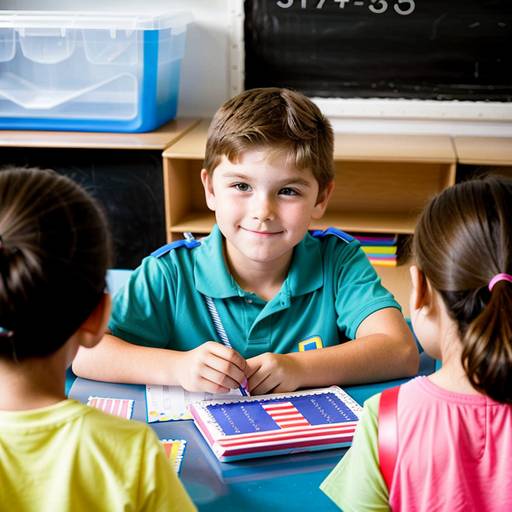
In this 2nd-grade math lesson, students will explore the concepts of fractions, focusing on understanding halves (1/2) and quarters (1/4). The lesson begins with a discussion about fractions and includes engaging elements, such as a catchy song to capture students' interest. Using visual aids, students will learn how to divide shapes and objects into equal parts.
Hands-on activities will involve students cutting paper plates into halves and quarters, allowing them to see and label these fractions visually. Following this, they will complete worksheets that require them to color specific fractions of images, reinforcing their understanding through independent practice.
The lesson concludes with a class discussion to review key concepts and encourage students to share their creations. Assessment will be conducted through observation during activities, evaluation of worksheet completion, and an exit ticket to gauge comprehension of the material. Extensions and supports will be provided to cater to diverse learning needs within the classroom.
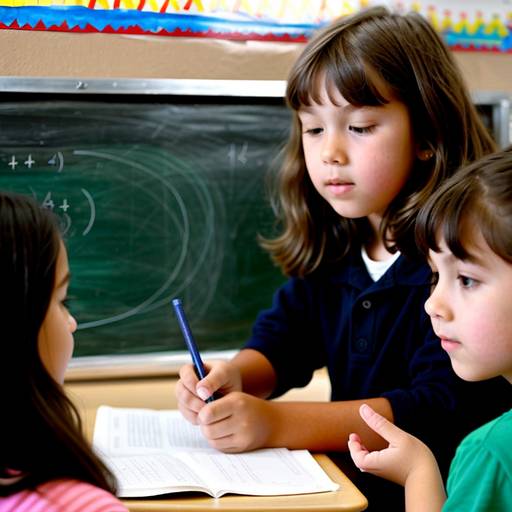
This 60-minute math lesson for 2nd-grade students focuses on introducing the concept of fractions as parts of a whole. The lesson begins with a discussion on fractions and their relevance in everyday life, followed by a demonstration using paper plates to visually represent fractions like 1/2, 1/3, and 1/4. Students engage in a hands-on activity where they cut their own plates into different fractions and decorate them, which they then share with a partner, explaining their creations.
During the independent practice segment, students complete worksheets that reinforce their understanding of identifying and creating fractions. The lesson concludes with a review, where students share what they learned. Assessment is conducted through observation of participation and collection of worksheets. Extensions and modifications are included to accommodate different skill levels, ensuring an inclusive learning environment. Overall, this lesson is designed to make fractions accessible and engaging for young learners.
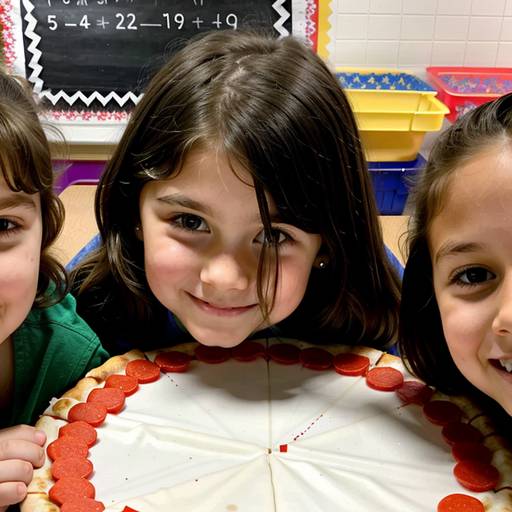
This lesson plan focuses on introducing 2nd-grade students to the concept of fractions as parts of a whole through an engaging, hands-on activity. The lesson begins with a discussion about sharing pizza, which serves as a relatable context for understanding fractions. Students learn vocabulary related to fractions, such as whole, half, quarter, and eighth, and practice dividing paper plates into these fractions.
During guided practice, students cut and label their plates to visually represent different fractions, reinforcing their understanding. Independent practice involves worksheets where students further explore fractions by dividing shapes and identifying shaded areas. The lesson concludes with a group discussion, allowing students to share their creations and apply their knowledge to real-life situations. Assessment is based on observation during activities and the accuracy of completed worksheets, with opportunities for differentiation provided for those who progress quickly. Overall, the plan fosters a practical understanding of fractions while encouraging creativity and collaboration among students.