
Filters
Level
Grade
Subject
Subject Area
Subject Topic
Standard(s)
Audience
Keyword
DurationMinutes
2nd Grade Grammar Lesson Plans

This 2nd-grade Language Arts lesson focuses on grammar and sentence structure, specifically teaching students about subjects and predicates. The lesson begins with an engaging introduction, where students explore simple sentences displayed on the whiteboard. Through guided instruction, they learn to identify and understand subjects and predicates, observing mixed-up sentences for clarification.
During guided practice, students work in small groups, using sentence strips to create their own sentences while identifying each part. They then illustrate their sentences on chart paper. The activity transitions to independent practice, where students complete a worksheet that reinforces their understanding of sentence structure by filling in blanks to form complete sentences and creating an original sentence of their own.
The lesson concludes with students sharing their sentences and reflecting on what they've learned. Assessment includes observation during group work, reviewing completed worksheets, and collecting exit tickets to gauge individual understanding of sentence components. Differentiation strategies are in place to support diverse learning needs. Overall, the lesson aims to build students' skills in constructing and understanding complete sentences.

This 2nd-grade language arts lesson focuses on teaching students the rules of capitalization through engaging activities and relatable analogies. The lesson begins with an introduction to the importance of capital letters, framed as “superheroes” that make sentences clear and exciting. Students will learn key capitalization rules, including the use of capitals for the first word in sentences, proper nouns, and the names of days and months.
During guided practice, students will work collaboratively to identify and correct capitalization errors in sample sentences displayed on chart paper. They will then complete an independent worksheet featuring exercises that require them to circle incorrect lowercase letters and rewrite sentences with appropriate capitalization. Additionally, they will express their creativity by writing their own sentences about their favorite superheroes while applying the rules learned.
The lesson concludes with students sharing their sentences aloud, reinforcing their understanding of capitalization, and submitting exit tickets that demonstrate their grasp of the day's concepts. Assessment will be conducted through observation during activities and the review of completed worksheets and exit tickets, allowing for differentiated support based on individual skill levels.
In this 2nd grade language arts lesson, students will explore the rules of capitalization, focusing on proper nouns and their usage. The lesson begins with a discussion to help students understand the importance of capital letters in daily life. Students will then collaborate to identify and correct capitalization errors in sample sentences displayed on the whiteboard. Following guided practice, they will complete a worksheet that includes correcting sentences and creating their own, emphasizing correct capitalization. The lesson concludes with students sharing their sentences with the class, reinforcing their understanding and rewarding their efforts with stickers or stamps. The teacher will assess student comprehension through observation and collected worksheets, with differentiation provided to meet diverse learning needs.

In this 2nd grade Language Arts lesson, students will learn about the rules of capitalization and how to apply them in sentences. The lesson begins with a discussion on the importance of capital letters, followed by an exploration of specific capitalization rules using a chart. Guided practice involves correcting sentences together as a class, where students identify and fix capitalization errors. For independent practice, students receive worksheets with sentences that need capitalization corrections and are encouraged to rewrite their favorite corrected sentence on a sticky note. The lesson concludes with a few students sharing their sentences and a recap of the capitalization rules. Assessment will occur through observation during guided practice and the review of worksheets to gauge understanding. Additionally, extensions are provided for early finishers to promote further engagement with capitalization in writing.
In this 60-minute language arts lesson for 2nd graders, students learn about essential punctuation marks—including periods, question marks, and exclamation points—and their importance in constructing complete sentences. The lesson begins with a discussion highlighting the significance of punctuation in communication.
Following a direct instruction segment, where the teacher models sentence examples without punctuation, students participate in identifying the correct punctuation needed for each sentence. Guided practice involves completing a worksheet together, while independent practice allows students to finish sentences on their own, with an option to illustrate their work.
The session concludes with a review where students share their sentences and discuss their punctuation choices, reinforcing their understanding of nouns and verbs. Assessment includes observation during activities and reviewing completed worksheets for accuracy in punctuation usage. The lesson is designed to promote engagement, collaboration, and creativity while reinforcing key grammar concepts.

This lesson plan aims to teach 2nd-grade students the fundamental rules of punctuation, specifically focusing on periods, question marks, and exclamation marks. The lesson begins with an introduction to the importance of punctuation in writing, followed by direct instruction that provides examples of each punctuation mark and demonstrates how they affect the meaning of sentences. Students will engage in guided practice by working in pairs to identify and correct punctuation in provided sentences. They will then proceed to independent practice, where they will create their own sentences using the three punctuation marks, accompanied by illustrations. The lesson concludes with students sharing their work and discussing the choices they made regarding punctuation. Assessment will include monitoring student participation, evaluating worksheets, and reviewing the students' sentences for correct punctuation usage. Extensions for creativity and modifications for varying skill levels are included to enhance the learning experience. This lesson encourages an interactive approach to mastering essential grammar skills.
In this second-grade language arts lesson, students will explore basic punctuation marks—periods, question marks, and exclamation points—and their functions within sentences. The lesson begins with a read-aloud story that highlights these punctuation marks, prompting students to recognize their importance in communication. Following a mini-lesson, students will participate in small group activities where they create original sentences using the different punctuation marks and share them with the class.
For independent practice, students will complete a worksheet focused on identifying and correcting punctuation in sentences. The lesson concludes with a sharing session, reinforcing the role of punctuation in making writing clear and understandable. Assessment will involve observing group interactions and collecting worksheets to evaluate individual understanding. Accommodations and extensions are provided to support diverse learning needs and deepen engagement with the topic.
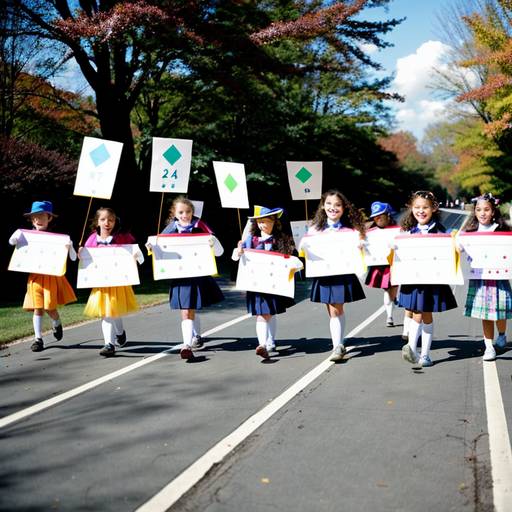
This lesson plan focuses on teaching second-grade students the fundamental concepts of grammar and capitalization. The objectives include helping students identify proper nouns and correctly capitalize them, as well as understanding that sentences begin with a capital letter.
The lesson begins with an introduction that encourages students to share their knowledge about capital letters, followed by a mini-lesson that explains proper nouns and the importance of capitalization. Guided practice involves students working in pairs to fill in missing capital letters on sentence strips, which they then share with the class.
For independent practice, students receive a worksheet to correct sentences with capitalization errors. The lesson concludes with a fun interactive activity, allowing students to present sentences they fixed, reinforcing their understanding through peer engagement. Assessment includes monitoring participation during the activity and reviewing the completed worksheets. Differentiation strategies are provided to support various learning needs. Overall, the lesson aims to make learning about grammar and capitalization engaging and enjoyable for young learners.
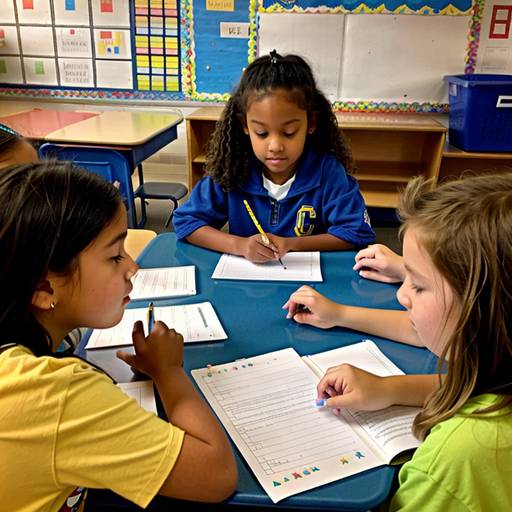
This lesson plan is designed for 2nd-grade students to enhance their understanding of grammar and sentence structure through an engaging and interactive approach. The lesson begins with a read-aloud of "The Cat in the Hat," prompting students to recognize sentence components. Direct instruction follows, focusing on identifying subjects and predicates in simple sentences. Guided practice allows students to collaborate in pairs to create their own sentences using a mix of nouns, verbs, and adjectives, while also learning to identify the parts of their sentences. Independent practice involves completing a worksheet where students draw a picture representing their sentence, write it out, and underline the subject and predicate. The lesson concludes with a sharing session to reinforce learning and encourage expression. Assessment is conducted through observation and collection of the worksheets to gauge comprehension. Extensions for homework are suggested, along with opportunities to introduce more complex structures in future lessons.
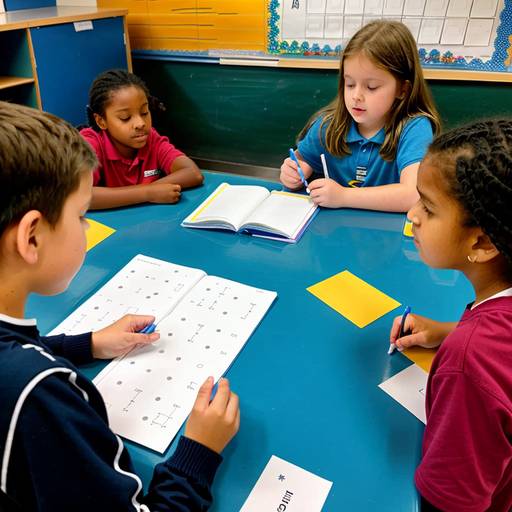
In this 2nd-grade language arts lesson, students will explore the basic components of sentence structure, focusing on subjects and predicates. The lesson begins with an engaging discussion about what constitutes a complete sentence, followed by direct instruction where the teacher models sentence construction on the whiteboard. Students will learn to differentiate between complete and incomplete sentences and the concept of declarative sentences.
During guided practice, students will work in pairs to rearrange words on sentence strips or index cards to create complete sentences, which they will illustrate and present to the class. For independent practice, they will complete worksheets where they cut out words to form sentences and decorate their creations.
The lesson concludes with a group discussion where students share their favorite sentences and identify subjects and predicates. An exit ticket will assess their understanding by asking them to write a sentence and underline its components. Throughout the lesson, the teacher will monitor participation and comprehension, providing support as needed to ensure all students grasp the concept of sentence structure.