
Filters
Level
Grade
Subject
Subject Area
Subject Topic
Standard(s)
Audience
Keyword
DurationMinutes
2nd Grade Painting Lesson Plans

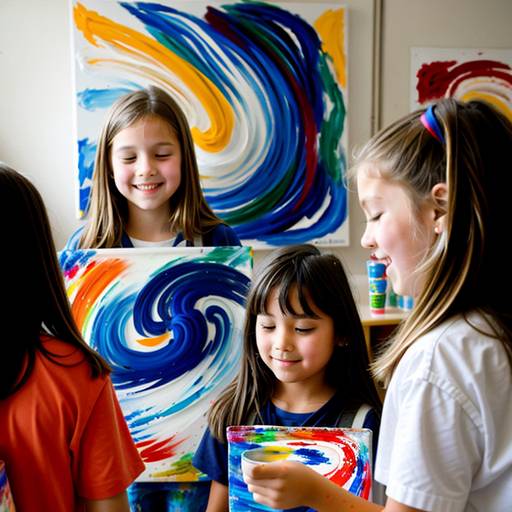
In this 2nd-grade art lesson, students will explore the relationship between emotions and colors through various painting techniques. The lesson begins with a discussion about different emotions and how specific colors can represent them. Students will learn techniques such as wet-on-wet, dry brushing, layering, and sponge painting through demonstrations. After practicing these techniques in small groups, students will create their own emotion-themed paintings, using their chosen colors and techniques to reflect their feelings. A gallery walk will allow students to display and share their artwork with peers, fostering a supportive environment for discussion. The lesson aims to enhance students' understanding of color theory and encourage creative expression while providing opportunities for both guided and independent artistic exploration. Assessment will focus on students' experimentation with techniques and their ability to connect their artwork to the emotions discussed. Adjustments will be made based on student feedback and engagement.
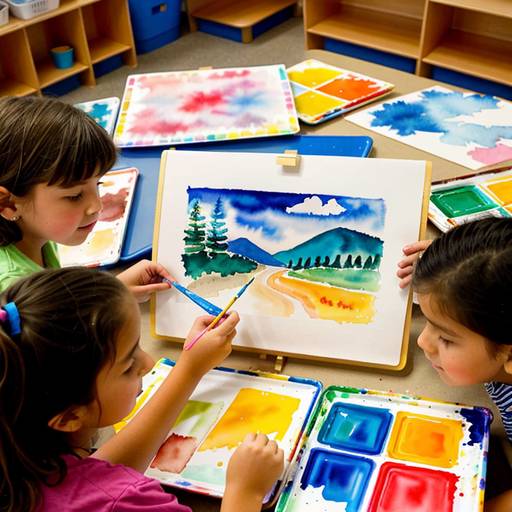
In this 2nd-grade art lesson, students will explore basic watercolor painting techniques and create their own original artworks. The session will begin with a discussion and demonstration of various techniques, including wet-on-wet, wet-on-dry, color mixing, and blending. After the demonstration, students will receive watercolor paper and paints to experiment with these techniques in a guided hands-on activity. They will be encouraged to create a landscape or abstract piece, incorporating at least two different techniques. As the class wraps up, students will share their artwork and explain the techniques they used. Assessment will focus on engagement, creativity, and the application of techniques. The lesson encourages creativity and experimentation while laying the groundwork for future artistic exploration. Adaptations are included to support diverse learners, ensuring a positive experience for all students.
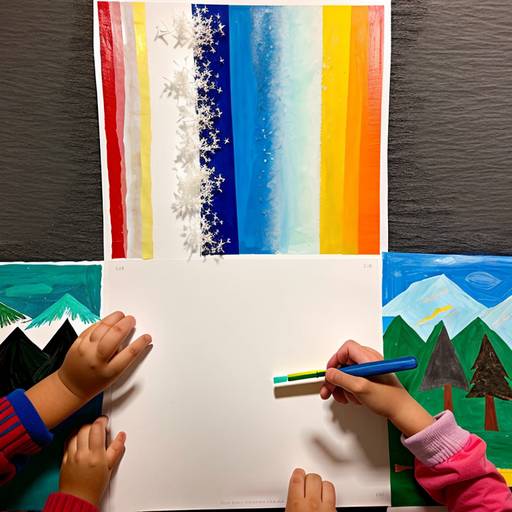
In this 2nd-grade art lesson, students will explore the concepts of texture and color by creating nature-inspired paintings. The lesson begins with a discussion about the various textures found in nature, encouraging students to observe and describe their surroundings. They will learn different painting techniques, including splattering, stippling, and layering, while also being introduced to the idea of warm and cool colors.
Following a demonstration of these techniques, students will sketch and paint their own nature scenes on watercolor paper, incorporating their chosen methods and color schemes. As they work on their artworks, the teacher will provide guidance and support to ensure each student effectively expresses their creativity. The lesson concludes with student presentations of their completed pieces, where they will discuss their techniques and color choices. Assessments will focus on participation, the application of techniques, and the overall creativity in their artworks, while extensions allow for further exploration of mixed media.
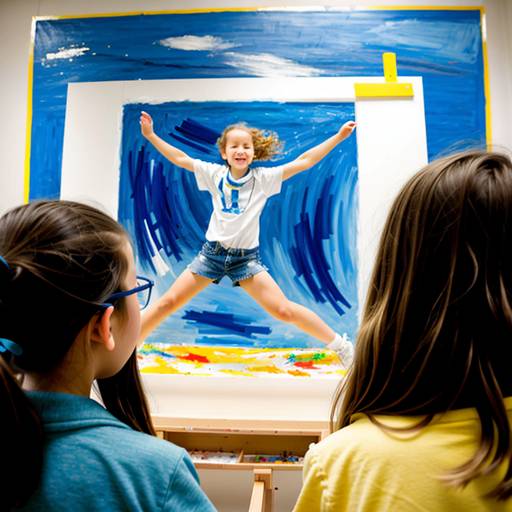
In this 60-minute art lesson for 2nd graders, students will explore the concept of movement in art through various painting techniques. The lesson begins with an introduction to images that depict movement, sparking discussion about how to visually represent motion in their own artwork.
Next, the teacher demonstrates different painting techniques, including long brush strokes, blowing paint through straws, sponge dabbing for texture, and using salt to create dynamic effects. After the demonstration, students will have the opportunity to create their own paintings using the techniques learned, selecting themes such as nature, animals, or dance.
Throughout the painting activity, the teacher will circulate to provide guidance and encouragement, fostering a creative environment. Once the paintings are complete, the students will participate in a gallery walk to share their work and reflect on the techniques they used and their artistic choices.
The lesson culminates in a discussion to reinforce the idea of movement in art, encouraging students to think about how to express emotions and actions in their future creations. Assessment will be based on observation during the activity and the completed artworks, focusing on creativity and technique application.