
Filters
Level
Grade
Subject
Subject Area
Subject Topic
Standard(s)
Audience
Keyword
DurationMinutes
2nd Grade Drawing Lesson Plans

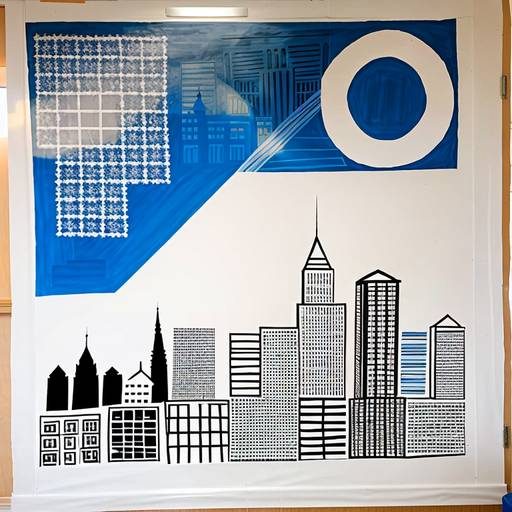
In this 2nd-grade art lesson, students will explore how to create a whimsical cityscape using basic shapes and lines. The session begins with a discussion about the components of a city and an exploration of how shapes like squares, rectangles, triangles, and circles can represent various buildings and features. After a demonstration on combining these shapes into a cohesive drawing, students will begin crafting their own imaginative cityscapes. They will outline their drawings in pencil, add details, and then use colored markers or crayons to bring their creations to life with vibrant colors. The lesson concludes with a gallery walk where students can share their work and offer reflections on their art and that of their peers. Students will be assessed on their participation, creativity, and effective use of shapes and lines in their drawings. Additionally, extension activities may involve writing a short story about their city or creating a three-dimensional version using recycled materials. This engaging lesson fosters artistic skills while encouraging imagination and collaboration among young learners.
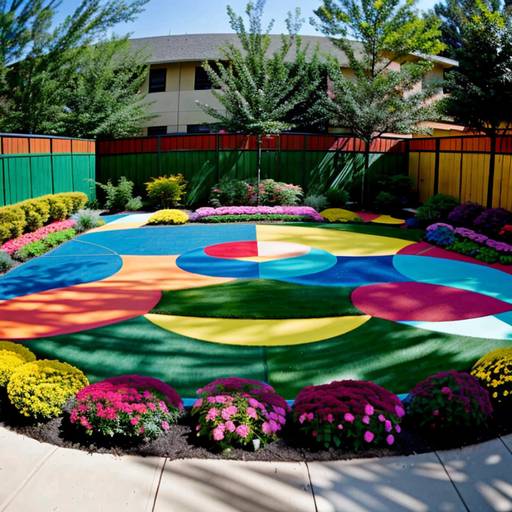
This 2nd-grade art lesson focuses on teaching students the fundamentals of shape and color in drawing. During the class, students will learn to recognize and combine basic shapes to create flower and plant drawings, using colorful materials such as markers, crayons, and paints. The lesson begins with a discussion about gardens and visual references, followed by a demonstration on how to draw simple flowers using basic shapes and incorporate various coloring techniques. Students will then engage in an individual drawing activity, where they will create their own unique flowers, share their work with classmates, and explore their creativity. Finally, the class will collaborate to assemble a vibrant garden mural, combining their individual artworks into a cohesive display. The lesson emphasizes active participation and encourages students to reflect on their artistic process, promoting both individual expression and teamwork. Cleanup will also be incorporated to foster responsibility for shared materials.
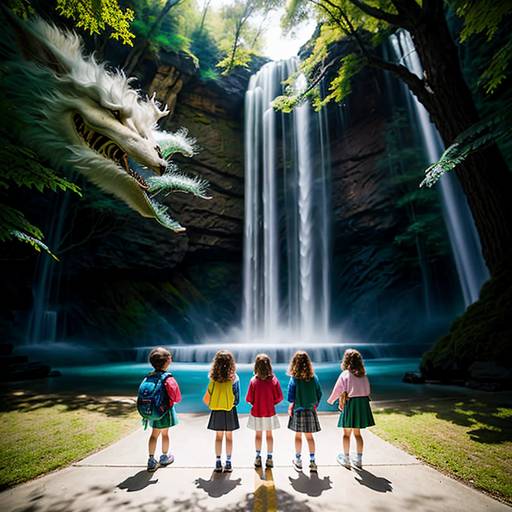
In this 2nd-grade art lesson, students will explore the creation of imaginative creatures using basic drawing techniques involving shapes and lines. The session begins with a discussion about various imaginary creatures, followed by a demonstration on how to combine shapes to form unique figures and use lines to add features. Students will then create their own creatures on drawing paper, encouraged to employ color mixing techniques with colored pencils or crayons. After completing their artwork, students will share their creations with the class, describing their creatures’ names, habitats, and special traits. The lesson emphasizes creativity, encourages storytelling, and culminates in a reflection on the drawing experience. Assessment will be based on student participation, creativity, and application of the techniques learned. An extension activity allows for further exploration through storytelling.
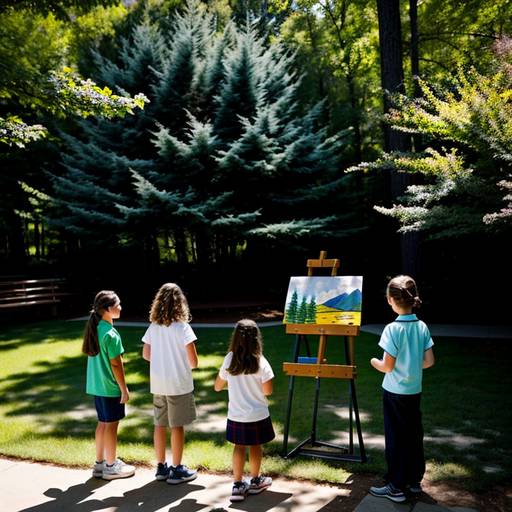
In this 2nd-grade art lesson, students will explore various drawing techniques inspired by the natural world. The lesson begins with a discussion about nature, where students can share their observations of shapes and colors found outside. A demonstration introduces basic drawing skills, such as outlining, shading, and texturing, which students will practice on scrap paper.
Following this, a nature walk allows students to collect small natural objects or observe their surroundings for inspiration. After returning to the classroom, students will create detailed drawings based on their observations, applying the techniques they've learned. They will enhance their artwork using colored pencils, crayons, and watercolor paints.
The lesson concludes with a sharing session, where students can display their creations and discuss their artistic processes. Assessment will focus on their participation, technique application, and ability to communicate their inspiration and experiences. An extension activity encourages students to keep a nature journal for ongoing exploration and creativity related to the outdoors.