
Filters
Level
Grade
Subject
Subject Area
Subject Topic
Standard(s)
Audience
Keyword
DurationMinutes
2nd Grade Art History Lesson Plans

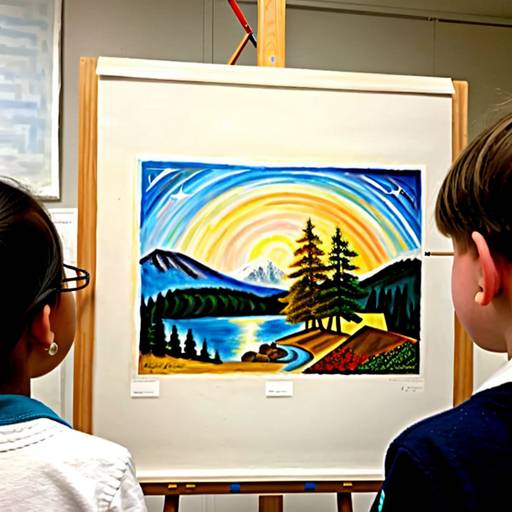
In this 2nd-grade art lesson, students will explore the lives and works of famous artists from different art movements. They will engage in discussions about how these artists expressed emotions and themes through their unique styles. Each group of students will be assigned an artist, such as Vincent van Gogh, Claude Monet, Frida Kahlo, or Piet Mondrian, and will create an original artwork inspired by the techniques and characteristics of their assigned artist. After completing their pieces, students will present their work to the class, explaining their artistic choices and the influence of the artist they studied. The lesson culminates with the establishment of a temporary "Art Gallery" to showcase their creations, allowing them to reflect on their learning and appreciate each other's artistic expressions. Adaptations and extensions are included to ensure all students can participate fully and continue exploring art at home.
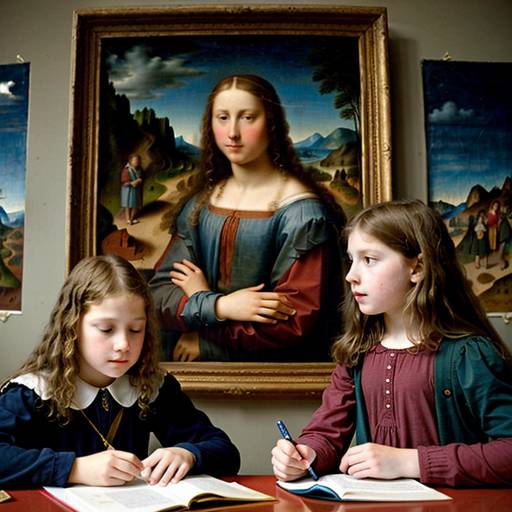
In this 1-hour art lesson for 2nd graders, students will explore the Renaissance period by learning about its significance and famous artists such as Leonardo da Vinci, Michelangelo, and Raphael. The class will start with a brief discussion about what Renaissance art is, focusing on its colors, themes, and styles. Students will then engage in a hands-on activity where they will create their own artwork inspired by the concepts they've learned, using colored pencils, markers, or even collage techniques. After completing their pieces, students will participate in a gallery walk to showcase their work and share what inspired them. The lesson aims to foster creativity while helping students understand the connection between art and history. Reflection and discussion will wrap up the session, allowing students to articulate their experiences and insights gained throughout the lesson. Extensions will encourage further exploration of art history in their home environment. Assessment will involve participation and the creativity demonstrated in their artwork and presentations.