
Filters
Level
Grade
Subject
Subject Area
Subject Topic
Standard(s)
Audience
Keyword
DurationMinutes
2nd Grade Color Theory Lesson Plans

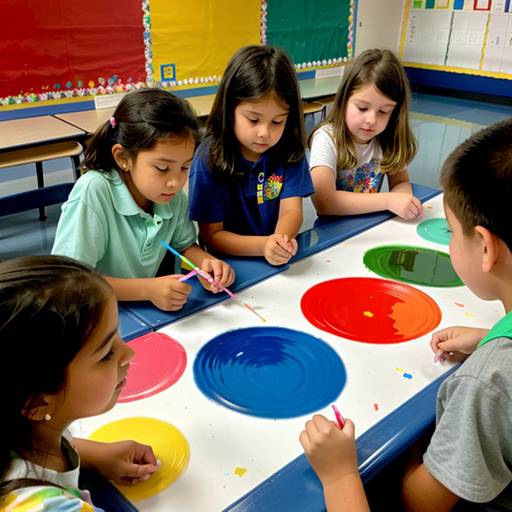
In this 2nd-grade art lesson, students will explore the concepts of primary and secondary colors through interactive activities focused on color mixing. The lesson begins with a discussion about colors, where students learn about primary colors (red, blue, yellow) and how mixing them creates secondary colors (green, orange, purple). Each student will create their own color wheel by painting the primary colors and mixing them to fill in the secondary sections. Following the individual activity, students will participate in a collaborative art project, where they use their new colors to create a colorful mural on large paper, encouraging teamwork and creativity. The lesson concludes with a group discussion, allowing students to share their experiences and insights about color mixing while reflecting on their artwork and the emotions colors can convey. Assessments will focus on participation and understanding, with opportunities for extensions at home and in future lessons.
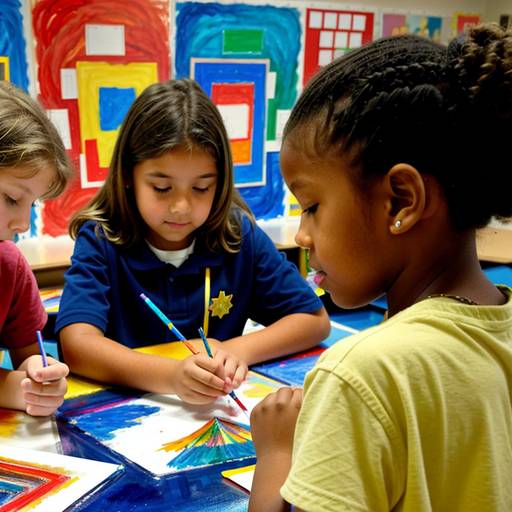
In this 2nd-grade art lesson, students will explore the fundamental elements of art, focusing on line, shape, and color. The session begins with a discussion of an example artwork, prompting students to identify different lines and shapes while introducing the concepts of primary and secondary colors. Following this, they will learn about color mixing by creating secondary colors from primary colors using watercolor paints.
Students will then engage in a hands-on art activity where they create their own artworks, incorporating a variety of lines, shapes, and colors, including mixed colors. The lesson concludes with a sharing session where students present their creations and reflect on their artistic choices. Throughout the lesson, emphasis will be placed on encouraging creativity and understanding the emotional and expressive qualities of art. Finally, students will participate in clean-up and have the opportunity to display their completed artworks in the classroom.
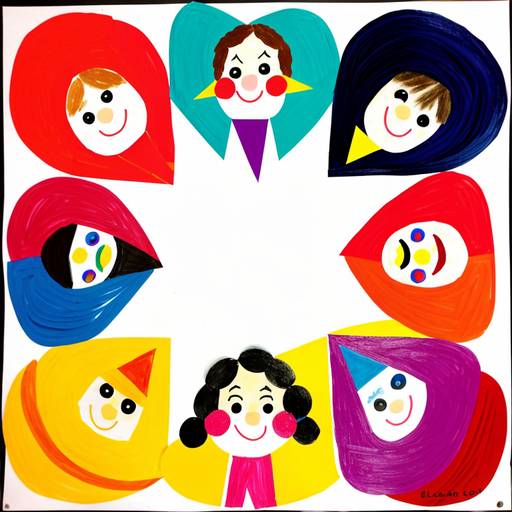
In this 2nd-grade art lesson, students will explore the basic elements of art with a focus on color theory. The lesson begins with a discussion about primary and secondary colors, including a demonstration of color mixing. Students will then engage in a creative activity where they design their own unique creatures using a variety of materials such as construction paper, magazines, and art supplies. They will cut out shapes and collage them together while incorporating different colors, encouraging them to think about their color choices and how they enhance their artwork.
The session includes a mini-gallery walk for students to share their creations with peers, fostering a sense of community and collaboration. Reflection prompts will encourage students to articulate their artistic decisions regarding color. Assessment will be based on creativity, color usage, and effort. Additionally, extensions are suggested for further exploration of color and storytelling related to their creatures. Overall, this lesson aims to deepen students' understanding of color while allowing for personal expression through art.
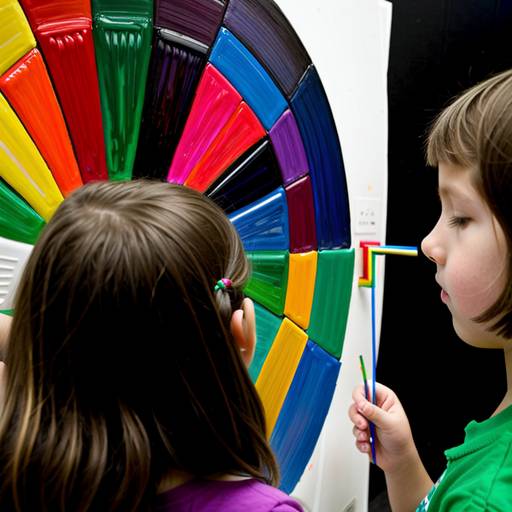
In this 2nd-grade art lesson, students will explore the elements of art with a focus on color theory. The session begins with a discussion about favorite colors and the introduction of primary colors (red, blue, yellow) and how they can be mixed to create secondary colors (green, orange, purple). Students will observe demonstrations of color mixing and complementary colors through the use of a color wheel.
Following the introduction, students will engage in a hands-on activity where they will create their own colorful artwork using watercolor paints. They will paint a background, mix primary colors to form secondary colors, and apply complementary color combinations for contrast and depth in their artwork. Throughout the activity, the teacher will provide support and encouragement, fostering creativity.
Finally, the lesson concludes with a reflection and sharing session, where students will present their completed artworks to their peers, discussing the colors used and their artistic inspiration. The lesson assessment will focus on students' understanding and application of color theory, creativity, and engagement during the activity. Differentiation strategies will be employed to support diverse learning needs, ensuring all students can participate meaningfully.