
Filters
Level
Grade
Subject
Subject Area
Subject Topic
Standard(s)
Audience
Keyword
DurationMinutes
1st Grade Diversity Lesson Plans

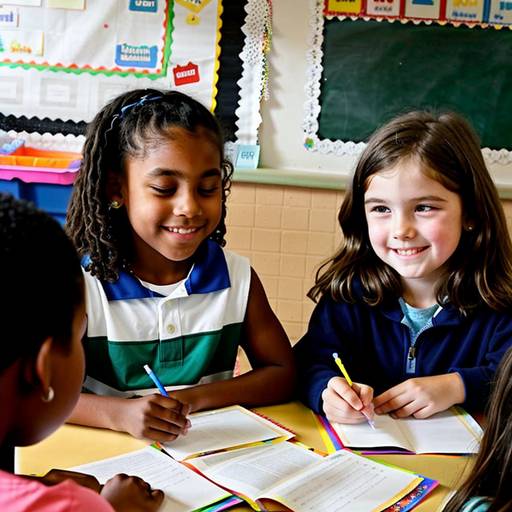
In this 1st-grade social studies lesson, students will explore the concepts of community and diversity. The class will begin with a discussion to define what a community is and identify its members and different cultures represented. Following this discussion, students will listen to a read-aloud of a children's book that emphasizes inclusion and the value of diverse backgrounds.
After the reading, students will engage in a conversation about the richness that diversity brings to their community and the roles of various community helpers. In groups, they will participate in an interactive activity by creating a collage that represents their community, incorporating images of diverse families, community helpers, and cultural traditions.
Each group will share their collage with the class, describing the significance of their chosen elements. The lesson will conclude with a summarization of key points about the importance of kindness and inclusion. Assessment will be based on student participation, engagement during discussions, and creativity in their collages, fostering understanding and appreciation of community and diversity among the students. Additionally, extensions such as inviting guest speakers or planning a cultural day are suggested for further learning experiences.
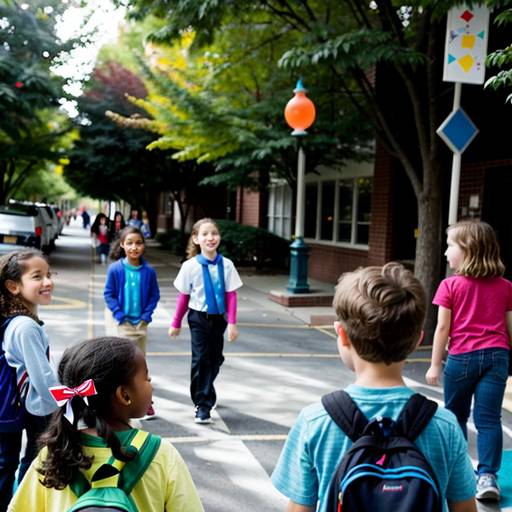
This lesson plan engages 1st-grade students in exploring the concepts of community and diversity. The objectives include helping students understand the makeup of their community and recognize different cultural backgrounds, customs, and contributions.
The lesson begins with a warm-up discussion where students share their thoughts about community, followed by a story that highlights diverse characters. In the main activity, students are divided into small groups to research and create posters about specific cultures found in their community, showcasing elements such as food, clothing, and traditions. A gallery walk allows students to present their work and appreciate each other's findings.
The lesson concludes with a class discussion reflecting on the importance of understanding and respecting diversity, followed by a drawing activity where students illustrate something they learned. Assessment includes monitoring participation, evaluating group posters, and reviewing individual drawings. Extensions include organizing a "Culture Day" and creating a class book that incorporates students' learnings about their diverse community.