
Filters
Level
Grade
Subject
Subject Area
Subject Topic
Standard(s)
Audience
Keyword
DurationMinutes
1st Grade Social Studies Lesson Plans


In this 1st grade social studies lesson, students will explore the concept of history and timelines by engaging in interactive activities aimed at understanding the order of events. The lesson begins with a discussion about history, leading to the introduction of timelines as tools for organizing events chronologically. Students will work in small groups to arrange pre-made timeline cards representing significant historical events, and then present their findings to the class.
Following this group activity, each student will create their own personal timeline by selecting and illustrating four meaningful events from their lives, accompanied by simple descriptions. The lesson concludes with a discussion that emphasizes the importance of remembering both personal and broader historical events. Assessment will focus on participation in group activities and the completion of individual timelines. Extensions and adaptations are provided to ensure all students are engaged and supported in their learning process.
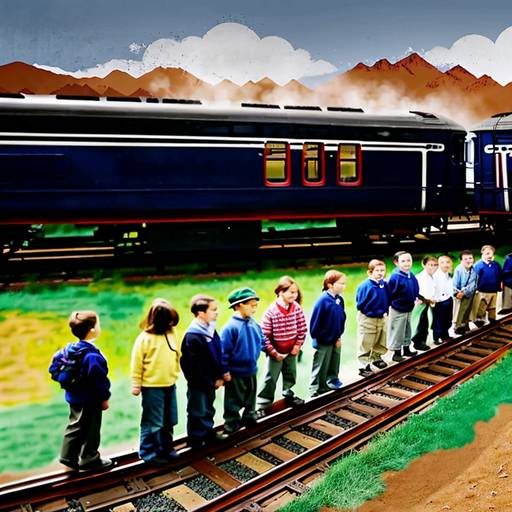
This 1st-grade social studies lesson plan focuses on helping students understand the various roles within their community and the importance of these roles in contributing to the overall well-being and function of the community. The lesson begins with a read-aloud of a story that introduces different community helpers, followed by a discussion to engage students and enhance comprehension.
Direct instruction involves listing various community roles on the whiteboard, providing explanations, and using visual aids to reinforce learning. In small groups, students will creatively construct a "Community Train" on butcher paper, with each train car representing a different role they have learned about. Groups will then present their creations to the class, elaborating on the responsibilities of each community helper.
The lesson concludes with a reflective discussion about what they have learned and the significance of recognizing community helpers. A class mural incorporating all groups' work will be created, providing a visual representation of their understanding. Assessment will be based on participation, group presentations, and optional individual quizzes. Extensions may include inviting a community helper or organizing a field trip to explore these roles in real life. Adjustments can be made to accommodate the specific needs of the class.
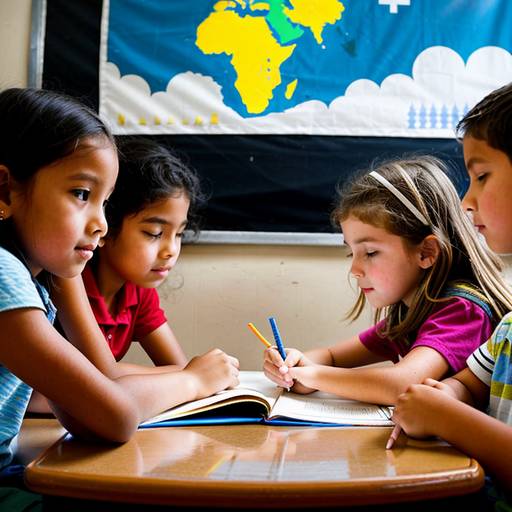
This lesson plan for 1st-grade students focuses on teaching basic geography and cultural awareness through the exploration of different countries. The lesson begins with an introduction to the concept of countries and the use of a world map or globe to help students identify and name various locations. Students will learn about 3-4 selected countries, including interesting facts about their geography, landmarks, food, and traditions.
The activity involves students working in small groups to explore provided materials, discussing and deciding on a key fact to share with the class. Each group will present their findings, fostering communication and collaboration skills. Students will then engage in a creative drawing activity where they illustrate something they learned about one of the countries, further reinforcing their understanding.
Assessment will be based on participation, engagement, and creativity during the activities. The lesson encourages cultural awareness and curiosity about the diversity of the world, with extensions for students to continue learning about different countries at home. Overall, this lesson aims to create an interactive and engaging environment for young learners to explore geography and culture.
In this 1st-grade social studies lesson, students will explore the concept of community by identifying its various components, including people, places, and activities. They will learn about the significance of rules in maintaining safety and harmony within a community. The lesson begins with a discussion about what a community is, supported by visual aids showcasing community elements. Students will then engage in collaborative group work to brainstorm and share essential community rules. Following this, they will create their own illustrations of a community scene, incorporating rules they deem important. The lesson concludes with a sharing session where students present their artwork and explanations, reinforcing their understanding of the role of rules in fostering a positive community environment. Assessment will include observations of group participation and evaluation of students' creative outputs, ensuring all learners are supported through differentiated instruction. A follow-up activity encourages students to actively observe their real-life community to connect classroom learning with their surroundings.
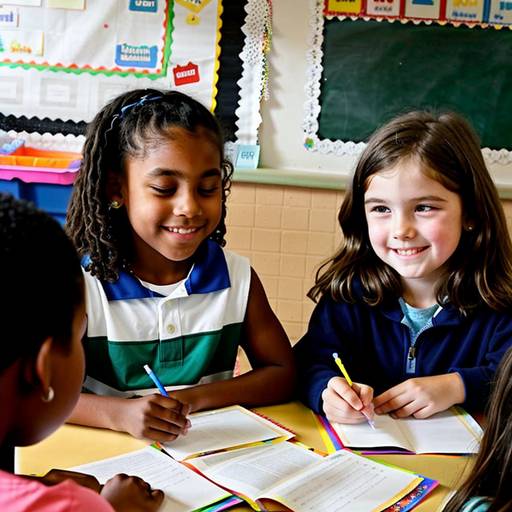
In this 1st-grade social studies lesson, students will explore the concepts of community and diversity. The class will begin with a discussion to define what a community is and identify its members and different cultures represented. Following this discussion, students will listen to a read-aloud of a children's book that emphasizes inclusion and the value of diverse backgrounds.
After the reading, students will engage in a conversation about the richness that diversity brings to their community and the roles of various community helpers. In groups, they will participate in an interactive activity by creating a collage that represents their community, incorporating images of diverse families, community helpers, and cultural traditions.
Each group will share their collage with the class, describing the significance of their chosen elements. The lesson will conclude with a summarization of key points about the importance of kindness and inclusion. Assessment will be based on student participation, engagement during discussions, and creativity in their collages, fostering understanding and appreciation of community and diversity among the students. Additionally, extensions such as inviting guest speakers or planning a cultural day are suggested for further learning experiences.
In this 1st Grade Social Studies lesson, students will explore the roles and responsibilities of various community helpers. The lesson begins with a read-aloud of a story related to community helpers, followed by an engaging discussion where students identify and categorize different community roles. They will work in small groups to create drawings of specific community helpers and present their work to the class, fostering collaboration and communication skills. To conclude, students will design their own "Thank You" cards to express appreciation for a community helper of their choice. This activity not only helps students understand the importance of community helpers but also encourages gratitude and recognition for those who contribute to the well-being of their neighborhood. Assessment will include observation of participation, as well as reviewing student drawings and cards for comprehension. Differentiation strategies will be applied to support diverse learners, and an extension activity will introduce hands-on experience with local community resources.
In this 1st-grade social studies lesson, students will explore the concept of community and the various roles of community helpers. The lesson begins with a read-aloud of a picture book that introduces different professions, followed by a discussion using a KWL chart to highlight what students know, want to know, and eventually learn about community helpers.
Students will participate in interactive role-play activities, rotating through stations that represent different community helper professions, allowing them to act out scenarios relevant to each role. They will then create artwork representing their chosen community helper, encouraging self-expression and creativity.
The lesson concludes with a review of what students learned, promoting appreciation for community helpers and discussing ways to show gratitude toward them. An optional video clip may be shown to further illustrate the roles within the community. Assessment will be based on student engagement, participation in discussions and activities, and their ability to articulate their understanding of community helpers. A follow-up activity may include inviting local community helpers for a presentation or organizing a field trip to enhance real-life learning experiences.
In this 1st-grade social studies lesson, students will embark on an exploration of various countries around the world, focusing on geography and cultural diversity. The lesson begins with a brief introduction to the concept of countries and geography, using a world map to highlight their own country. Educators will introduce selected countries, providing interesting facts and showing picture cards related to each country's flag, traditional clothing, and landmarks.
Students will then engage in a group activity where they locate the discussed countries on a map while discussing what makes each one unique. For the independent activity, each student will select a country of interest and create a poster that includes the country's name, a drawing or picture of a landmark, traditional food or cultural items, and a fun fact.
The lesson concludes with students sharing their posters with the class, fostering a sense of community and appreciation for global diversity. Assessment will be based on observation during the activities and the creativity demonstrated in the poster project. Optional extensions include a "Cultural Day" event, promoting further engagement with the material. The lesson aims to enhance students' understanding of different cultures and the world in which they live.
In this 1st-grade social studies lesson, students explore the concept of community helpers and the significance of the rules they follow to maintain a safe and healthy neighborhood. The lesson begins with a circle time discussion that prompts students to think about what makes a neighborhood a good place to live, leading into an introduction of various community helper roles such as firefighters, police officers, and teachers.
A read-aloud story featuring community helpers engages the students further, allowing for a discussion on the importance of these roles and the associated rules. Students then create a worksheet highlighting their favorite community helper, drawing an illustration and writing a simple sentence about their importance. This is followed by a fun, interactive role-playing activity where students can act out scenarios related to different community helpers while demonstrating the rules they follow.
The lesson concludes with a recap and review of the learned concepts, reinforcing how rules contribute to community safety and well-being. Assessment is based on participation, engagement, and a review of the completed worksheets. Additionally, potential extensions like field trips to local community services or guest speaker visits can enhance the learning experience.
This lesson plan for 1st-grade students focuses on understanding the concept of timelines and chronological order in history. Students begin by discussing the meanings of past, present, and future, followed by an introduction to timeline visuals. Through class discussions, they identify and arrange significant events from their own lives in groups. Each student then creates a personal timeline, illustrating three important life events in sequential order. The lesson culminates with a sharing session, where students present their timelines to the class. Assessment involves observing group activities and reviewing individual timelines. Extension activities are suggested, including creating a classroom timeline of the school's history. Overall, the lesson aims to help students recognize the importance of timelines in connecting personal and historical narratives.