
Filters
Level
Grade
Subject
Subject Area
Subject Topic
Standard(s)
Audience
Keyword
DurationMinutes
1st Grade Life Science Lesson Plans

In this 1st-grade science lesson, students will explore the fascinating world of animals and their habitats. The session begins with a read-aloud of an engaging storybook featuring various animals, prompting students to share what they know about their favorite pets and animal friends. Following this introduction, the teacher will present an animal classification chart, guiding students to categorize animals into groups such as mammals, birds, and reptiles.
Students will then participate in small group activities, where they will match animals to their corresponding habitats and come up with interesting facts about each one. Afterward, they will complete independent worksheets to illustrate their favorite animal and write a fact about it, which they will share with a partner. The lesson concludes with a class discussion on the importance of caring for animals and how students can help in their communities. Assessment will focus on group presentations and worksheets, fostering curiosity and respect for the natural world. Extensions to the lesson include potential field trips and guest speakers to deepen students' understanding of life science and animal care.
In this engaging 1st-grade science lesson, students explore the fascinating world of animals by learning about their habitats and behaviors. The lesson begins with a captivating video showcasing various animals in their natural settings, followed by a discussion that encourages students to share their observations. Through a presentation, students are introduced to different habitats like forests, oceans, and deserts, and learn how animals have unique adaptations that help them thrive in these environments.
Guided practice includes a matching game where students connect animal pictures to the correct habitat posters in small groups. They also listen to animal sounds, guessing which animals make them and discussing their behaviors. For independent practice, students create drawings of their favorite animal in its habitat, highlighting one adaptation and one behavior, which they later share with the class.
The lesson concludes with a recap of the key concepts discussed, enhancing students' understanding of animals and their environments. As a homework assignment, students are tasked with researching one animal and its habitat to present in the next class. Throughout the lesson, opportunities for observation and assessment allow the teacher to gauge student engagement and understanding of the material.
In this first-grade science lesson, students will explore the essential needs of plants, including sunlight, water, soil, and air, while learning to identify the different parts of a plant. The lesson begins with an engaging discussion on what plants require to survive, followed by hands-on activities.
Students will receive potted plants, where they will label the parts—roots, stem, leaves, and flower—while closely observing them with magnifying glasses. Next, they will plant seeds in clear plastic cups filled with soil, watering them and discussing optimal sunlight placement.
The lesson concludes with a group discussion to review key concepts and encourage students to share their excitement about nurturing their plants at home. Assessment will focus on students' participation in activities and their ability to illustrate and label their plants. Extensions, such as creating a classroom garden or reading related stories, can further enhance the learning experience. Safety precautions will be emphasized to ensure a safe, engaging environment for all students.
In this 1st-grade science lesson, students will explore the fascinating world of animals through engaging activities and discussions. The lesson begins with a short video showcasing various animals in their natural habitats, followed by an introduction to five main animal groups: mammals, birds, reptiles, amphibians, and fish. Students will learn about key characteristics and basic needs of these animals through picture cards and a storybook reading.
During guided practice, students will work in pairs to classify animals using provided worksheets, fostering collaboration and discussion. They will then engage in independent practice by drawing their favorite animal and writing a fact about it, allowing for creativity and personal expression.
The lesson concludes with a class discussion to reinforce the concepts learned, encouraging students to share their favorite animals and their classifications. Assessment will be through observation, worksheet completion, and the quality of the drawings and facts presented. Extensions may include a field trip to a zoo or the creation of an animal journal, while modifications are provided for students needing additional support or challenges. Overall, this lesson aims to deepen students' understanding of animal diversity and their roles in the ecosystem.
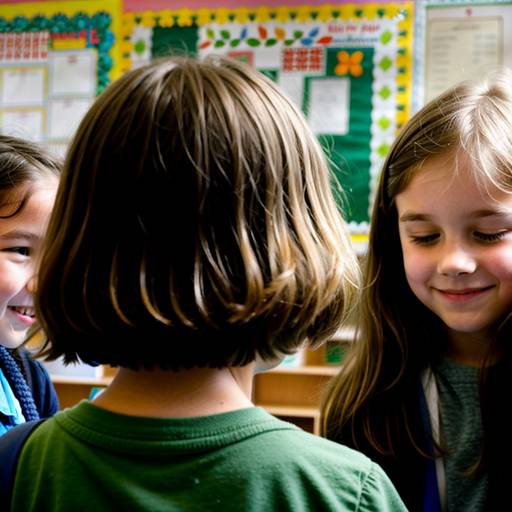
In this first-grade science lesson, students will explore the world of plants, focusing on their basic needs, structure, and growth processes. The lesson begins with an engaging discussion about plants, where students will learn key terms such as roots, stems, leaves, and flowers. Through group activities, students will observe and identify the parts of a potted plant, using drawing and labeling to reinforce their understanding.
Next, students will engage in a hands-on planting activity, where they will plant seeds in individual cups, while discussing the necessary conditions for growth. As they care for their plants, they will document their observations and actions on a growth chart. In the closure, students will reflect on their learning and share their discoveries about plants. Assessment will be based on participation, drawings, and a follow-up worksheet related to plant care. Additionally, students will create a Plant Growth Journal to track their plants' growth over time, fostering a deeper appreciation for nature and the environment.
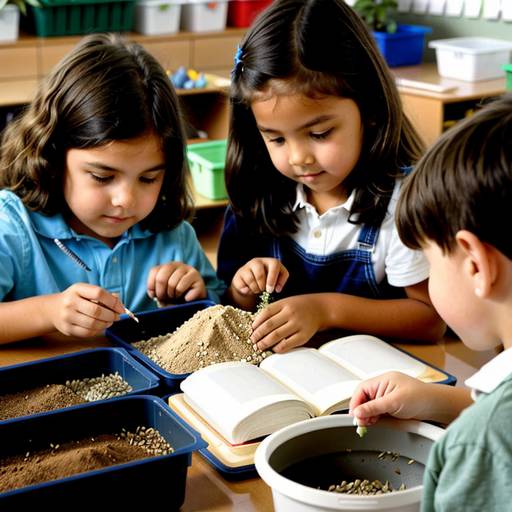
In this first-grade life science lesson, students will embark on an engaging exploration of plants, focusing on the parts of a plant and the process of growth from seeds. The lesson begins with a discussion about what plants need to thrive, fostering curiosity and activating prior knowledge. Students will have hands-on experience as they observe various seeds using magnifying glasses, noting their characteristics, and sharing their findings with the class.
Following this exploration, students will participate in a planting activity, where they will prepare small pots with soil, plant their seeds, and learn about the care required for their growing plants, such as sunlight and water. Each student will keep a Plant Growth Journal to record their observations and track changes in their plants over time.
The lesson wraps up with a review of key concepts and a creative poster activity that reinforces their learning about plant anatomy and growth. Through observation, hands-on activities, and collaborative discussions, students will gain a foundational understanding of the importance of plants in our ecosystem and the role of seeds in their growth. Opportunities for assessment will include observing participation and reviewing journals and posters for comprehension.
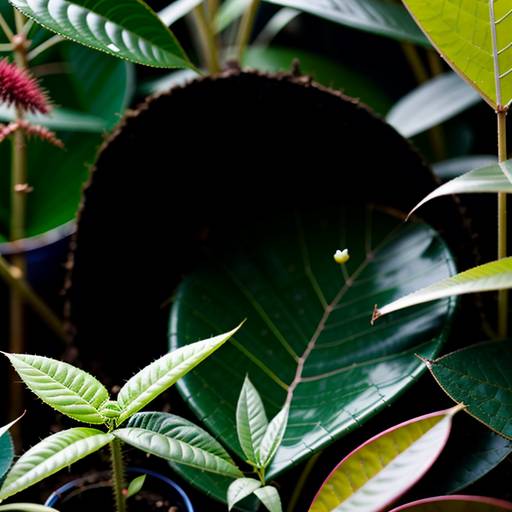
This 1st-grade science lesson focuses on introducing students to the world of plants and their essential parts. Students will learn to identify and describe the functions of the main parts of a plant—roots, stems, leaves, and flowers—while understanding what plants need to grow, such as sunlight, water, and soil. The lesson begins with a discussion and visual aids, followed by hands-on exploration of real plants in small groups. Each group will present their findings to the class. Students will then engage in a creative craft activity to create and label their own plant diagrams. The lesson concludes with a review of the plant life cycle using a poster, allowing students to share their insights. Assessment will be based on participation, group discussions, and the quality of their plant diagrams. The lesson may be extended with a planting activity, encouraging students to observe plant growth over time. Overall, this lesson provides an interactive and engaging way for young learners to explore life science concepts related to plants.
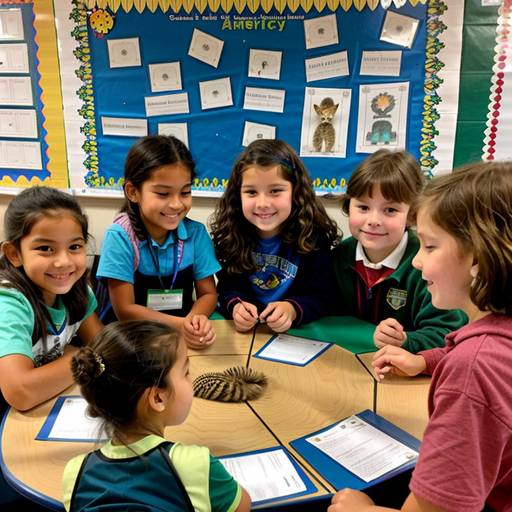
In this engaging 1st-grade science lesson, students will explore the fascinating world of animals, focusing on categorizing them into five main groups: mammals, birds, reptiles, amphibians, and fish. The lesson begins with a group discussion to elicit prior knowledge, followed by a read-aloud of a book that highlights different animals and their habitats. Students will work in small groups to sort animal picture cards into the appropriate categories, fostering teamwork and discussion. After sharing their findings with the class, they will engage in a creative art activity where they draw and label their favorite animal along with one of its basic needs. The lesson concludes with a reflection on what they have learned. Assessment will involve observing group work and reviewing students' drawings for comprehension. Extensions may include inviting a guest speaker or planning a field trip to deepen their understanding of animal care and habitats. Differentiation strategies will be included to support diverse learners. This lesson aims to spark curiosity and a sense of wonder about the animal kingdom while introducing essential life science concepts.