
Filters
Level
Grade
Subject
Subject Area
Subject Topic
Standard(s)
Audience
Keyword
DurationMinutes
1st Grade Cardio Lesson Plans

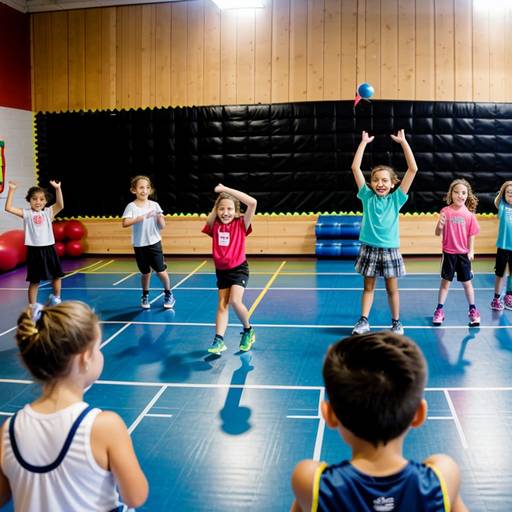
This 1st Grade Physical Education lesson plan focuses on introducing students to cardiovascular fitness through engaging and interactive activities. In a 30-40 minute session with a class size of 20-25 students, the lesson begins with a warm-up that encourages discussion about fitness and includes dynamic stretching to prepare the body for movement.
The main part of the lesson consists of a circuit with four fun stations: Hula Hoop Hop, Jump Rope Relay, Balloon Toss, and Freeze Dance, each promoting cardiovascular activity while developing coordination and teamwork. Students work in small groups and rotate through the stations, ensuring a variety of movements and interactions.
After the main activities, a cool-down period with gentle stretching and a reflection circle allows students to share their experiences and thoughts on fitness. The lesson emphasizes active participation and enjoyment while teaching important concepts related to health and exercise. Assessment is based on observation and student engagement, with extensions offered to encourage fitness habits beyond the classroom. Safety considerations are also outlined to ensure a secure and supportive learning environment.
In this first-grade physical education lesson, students will participate in a fun, interactive session focused on cardiovascular fitness. The lesson begins with a warm-up activity called "Follow the Leader," where students engage in exercises that raise their heart rates. Following a brief discussion on the importance of cardio fitness, students will rotate through four activity stations designed to promote movement and teamwork. These stations include hopping in hula hoops, tossing bean bags at targets, participating in a relay race, and enjoying free dance time to upbeat music. After completing the stations, students will cool down with stretching exercises while reflecting on their experiences and feelings about the importance of physical activity. The lesson emphasizes enjoyment, cooperation, and inclusivity, ensuring that all students are engaged and active throughout the session. Informal assessment will be based on observation of participation and enthusiasm.
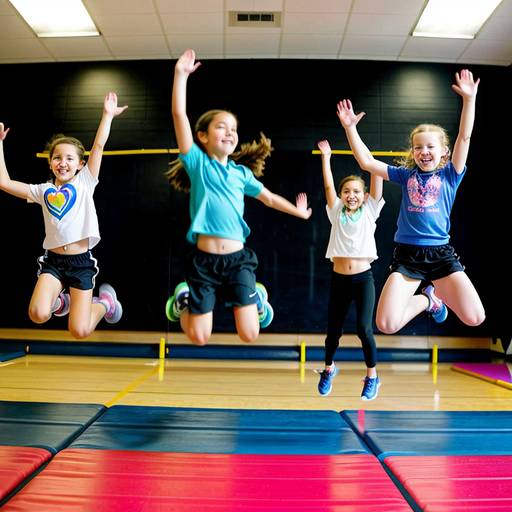
In this 1st-grade physical education lesson plan, students will engage in a 30-minute session focused on fitness and cardio through a series of fun and interactive activities. The lesson begins with a warm-up involving dynamic movements led by the teacher. Students will then learn about cardio exercise and its importance for heart health and physical activity.
The main part of the lesson includes two engaging activities: a jump rope challenge where pairs of students compete to see how many jumps they can accomplish together, and hula hoop fun, where students rotate through different hoops performing various cardio exercises. The class concludes with a cool-down session involving gentle stretches, allowing students to relax and discuss their heart rates after the activities.
Throughout the lesson, the teacher will monitor participation and engagement, providing positive reinforcement and adapting activities for varying skill levels. The session aims to promote teamwork, understanding of fitness, and the importance of staying active. Students will walk away with practical ways to incorporate movement into their daily lives.
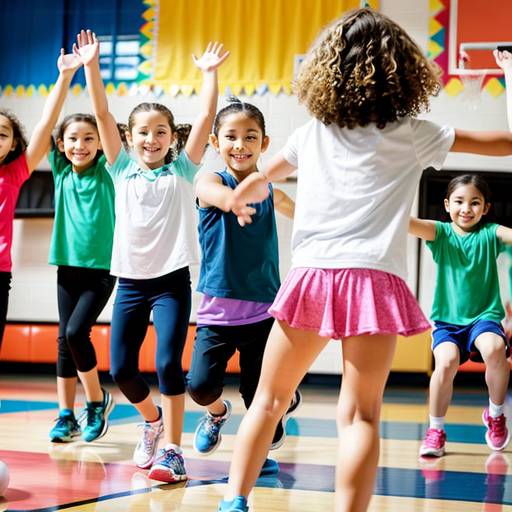
This lesson plan is designed for 1st-grade students to introduce them to the concepts of fitness and cardiovascular health through engaging physical activities. The session begins with an interactive discussion about the importance of fitness, followed by a warm-up routine to prepare their bodies for movement.
Students participate in four different activity stations that promote heart rate elevation and teamwork. Activities include jump rope challenges, hula hooping, a ball toss relay, and a freeze dance game, encouraging collaboration and physical skill development. After the stations, a cool-down period is incorporated, where students engage in gentle stretching and deep breathing exercises.
To conclude the lesson, students gather to reflect on their experiences, sharing their favorite activities and how they felt after exercising. The plan includes assessments based on participation and engagement, as well as adaptations for diverse learners. Additionally, it encourages students to continue physical activity at home by involving their families, reinforcing the importance of staying active.