
Filters
Level
Grade
Subject
Subject Area
Subject Topic
Standard(s)
Audience
Keyword
DurationMinutes
1st Grade Music Theory Lesson Plans

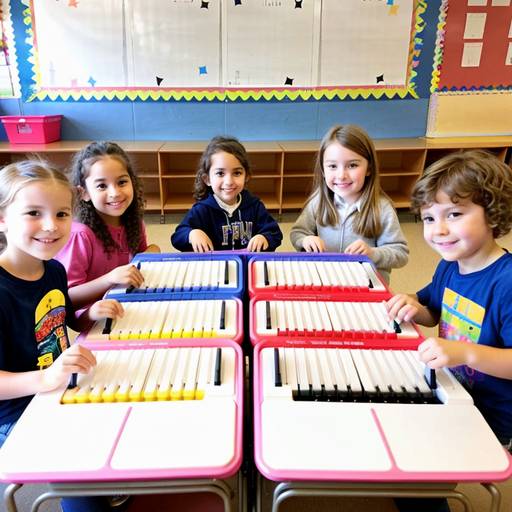
In this 1st-grade music lesson, students will explore basic concepts of rhythm and music theory through engaging activities. The lesson begins with an introduction to rhythm, where students participate in a call-and-response clapping exercise to familiarize themselves with the beat of music. Using rhythm flashcards, students learn to differentiate between quarter notes and eighth notes, practicing clapping these rhythms in unison.
Next, students are divided into small groups to create their own rhythm patterns using the note values they’ve learned, which they then perform for the class. Following the group performances, each student receives a sticky note to write their own simple rhythm, which is shared and displayed for the class. To conclude, students listen to a piece of music and clap along, reinforcing their understanding of rhythm while reflecting on the lesson's activities. Assessment is based on participation, group performance, and the accuracy of individual rhythm creations. Opportunities for extension are provided to deepen engagement and understanding of rhythm in music.
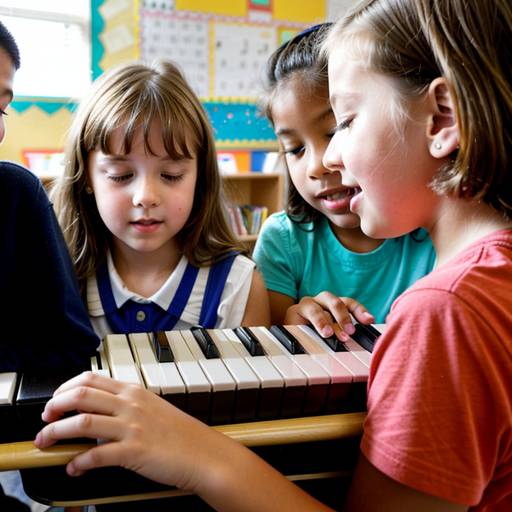
In this 1st-grade music lesson, students will explore the basics of music theory by learning to identify and name different music notes, specifically whole notes, half notes, and quarter notes, as well as their corresponding values. The lesson begins with an introduction to music notes through engaging flashcards, accompanied by rhythmic clapping to reinforce the differences between the notes.
Students will then be introduced to the treble clef and the layout of the musical staff, where they will collaboratively place the notes in the correct order. This visual representation will help them understand the relationship between the notes and their names.
Next, students will participate in an interactive group activity where they are divided into small teams to create rhythmic patterns using the notes they learned. They will practice these rhythms with simple instruments and perform for the class, encouraging peer recognition of the note names as they perform.
The lesson concludes with a review of key concepts and a discussion about their favorite parts, allowing for reflection on the material. Engagement and participation will serve as indicators of their understanding, with opportunities for extension activities to further reinforce the concepts at home or in future classes.
The lesson focuses on introducing 1st-grade students to basic concepts of rhythm, emphasizing the importance of steady beats in music. It begins with a discussion about music's emotional impact, followed by hands-on activities where students explore percussion instruments and body percussion to maintain a steady beat. In small groups, they create simple rhythmic patterns, which they later share with classmates in a fun "performance" setting. To reinforce their learning, students also draw their favorite rhythms using musical symbols, allowing for a visual representation of their understanding. Throughout the lesson, students engage collaboratively, fostering creativity and a strong foundational knowledge of rhythm and music theory. Assessment is based on their participation in activities and their drawings, ensuring that they grasp the concepts introduced.
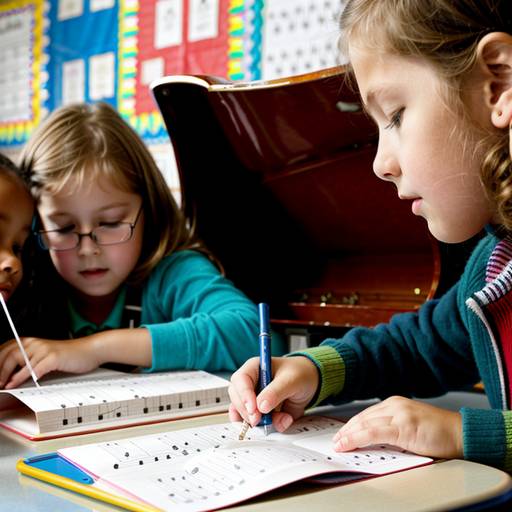
In this 1st Grade music lesson, students will explore basic music theory by identifying and naming various note types and their corresponding positions on the musical staff. The lesson begins with an engaging song that sets the tone and introduces the concept of "treasures" in music. Through direct instruction, students will learn about note names (A, B, C, D, E, F, G) and values (quarter notes, half notes, whole notes, and eighth notes). An interactive activity will follow, where students work in small groups to complete a "treasure map," finding note names throughout the classroom. This hands-on approach reinforces their understanding and encourages collaboration. The lesson concludes with students applying their new knowledge by playing simple rhythms on musical instruments and actively discussing the notes they are using. Rewards such as stickers or colorful markers will be given for participation, promoting both engagement and enthusiasm for learning about music theory. Overall, the lesson aims to build a foundational understanding of note names and their importance in music.

In this engaging 30-minute music theory lesson for 1st graders, students will explore the basic note names (A, B, C, D, E, F, G) through fun activities and games. The lesson begins with an introduction to the musical staff, accompanied by a visual aid that helps students identify note positions.
Following a warm-up activity that includes a call-and-response chant, students will participate in a Flashcard Relay where they race to find the correct note name when called out, promoting both teamwork and recognition skills. Additionally, they will engage in a Musical Task using percussion instruments to create rhythms that correspond with the note names, reinforcing their understanding through hands-on experience.
The lesson concludes with a review and an informal assessment through questions, ensuring comprehension. Each student will receive a certificate of completion, celebrating their participation and accomplishment. Overall, the lesson is designed to create a fun and interactive learning environment that builds foundational music knowledge.
In this lesson plan for 1st graders, students will explore basic music theory by learning to identify and name the musical notes A, B, C, D, E, F, and G, as well as understanding their positions on the staff. The session will begin with a playful introduction through song, encouraging students to share any note names they already know. The teacher will then explain the musical staff and demonstrate where the notes are located using a visual chart.
Following this, students will engage in a relay activity in small groups, matching colored note name cards to their correct positions on a large staff displayed on the whiteboard. This collaborative exercise promotes teamwork and reinforces their understanding of note placement.
To provide a hands-on learning experience, students will have the opportunity to use musical instruments such as tambourines and xylophones to play simple melodies, practicing the note names as they perform. The lesson will conclude with a recap of the notes learned and a discussion, allowing students to share one note they remember. Optional coloring handouts will be distributed for further engagement and reinforcement. Overall, the lesson is designed to create a fun and interactive atmosphere while developing foundational music theory skills.
This lesson plan is designed for 1st-grade students to explore basic music theory concepts focusing on rhythm and steady beats. Over 30 minutes, students will learn to distinguish between steady beats and rhythmic patterns through clapping and vocal sounds. The lesson begins with an introduction to rhythm, including a warm-up activity that encourages students to clap along to a steady beat and create simple rhythm patterns.
Students will be introduced to different note values, such as quarter notes, half notes, and whole notes, with accompanying rhythmic clapping exercises. Collaborative work in pairs allows students to create their own 4-beat rhythmic patterns using hand drums or tambourines, fostering creativity while reinforcing the concepts learned.
The class will culminate in a group performance where students can showcase their created rhythms, ultimately returning to a steady beat for group participation. The lesson concludes with a reflection on the students' learning experiences, reinforcing the concepts of rhythm and steady beats through discussion. Informal assessment methods include observing student engagement and participation throughout the activities. Extension ideas encourage further exploration of rhythm using additional percussion instruments or integrating rhythm into storytelling. Overall, the lesson promotes teamwork, creativity, and a foundational understanding of rhythm in music.

In this 30-minute music lesson for 1st-grade students, the focus is on introducing the concepts of rhythm through interactive and engaging activities. The lesson begins with a discussion on rhythm, providing a basic understanding and demonstration through clapping simple patterns. Students participate in clapping along with various rhythm cards that illustrate different note types, such as quarter and eighth notes.
Following this, students enhance their learning by marching in place to upbeat music while clapping and stomping to different rhythmic patterns called out by the teacher. This activity reinforces their sense of timing and coordination. In the final segment, students work in pairs to create their own rhythmic patterns using body percussion, fostering creativity and collaboration. Each pair shares their rhythm with the class, promoting a fun, collective experience.
The lesson concludes with a reflection on what was learned and experienced, with emphasis on participation and enjoyment in rhythm. Assessment focuses on individual students' engagement and ability to keep time, while adaptations are provided for those needing additional support. Extensions allow students to practice rhythms at home, further embedding their understanding and appreciation of music.