
Filters
Level
Grade
Subject
Subject Area
Subject Topic
Standard(s)
Audience
Keyword
DurationMinutes
1st Grade Musical Styles Lesson Plans


This first-grade music lesson introduces students to the basics of music history and various musical styles. Over the course of 30-45 minutes, students engage in listening activities, movement, and discussions to explore musical genres such as classical, jazz, rock, folk, and pop. The lesson begins with an interactive introduction to music, followed by a simple timeline that illustrates the evolution of music. Students listen to short clips of each genre while moving to the rhythms, allowing them to connect emotions with different musical styles. Pictures of notable musicians and composers are presented to enhance understanding and spark interest. Additionally, students participate in a hands-on activity using rhythm instruments, playing along to one of the musical styles. The lesson concludes with a reflection where students share their favorite styles and songs, fostering appreciation and engagement with music. A follow-up worksheet is provided for students to color at home, further extending the learning experience. Overall, the lesson aims to instill a love for music and an appreciation for its history and diversity.
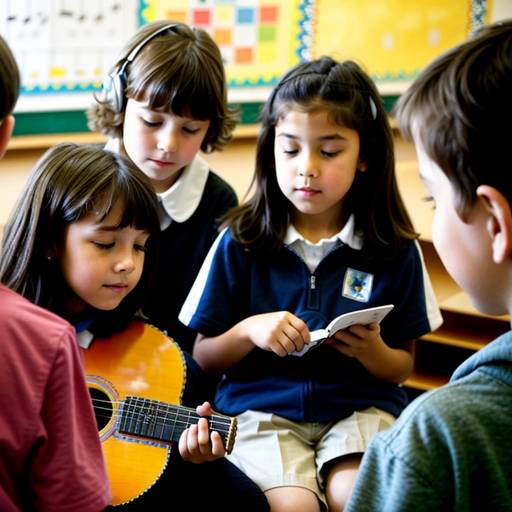
In this 1st Grade music lesson, students will explore various musical styles and their historical contexts through listening and movement activities. The class will start with an introduction to the concept of musical styles, followed by engaging listening stations featuring audio clips from classical, jazz, folk, rock, and hip-hop genres. After listening, students will participate in a movement activity where they will use colorful scarves or ribbons to express themselves in response to each musical style. The lesson will culminate in a wrap-up discussion, allowing students to share their favorite styles and connect them to visual representations. Assessment will be based on participation, understanding of musical characteristics, and their ability to articulate their preferences. Optional extensions include creating rhythms with classroom instruments or inviting a local musician for a live demonstration.