
Filters
Level
Grade
Subject
Subject Area
Subject Topic
Standard(s)
Audience
Keyword
DurationMinutes
1st Grade Weight Lesson Plans

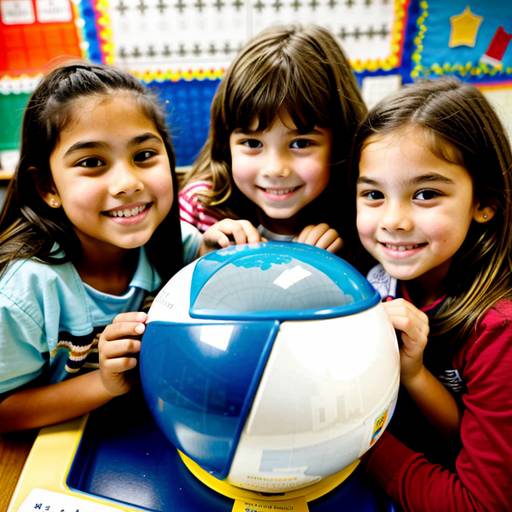
In this 1st-grade math lesson, students will explore measurement and weight through engaging, hands-on activities. The lesson begins with a discussion on the concepts of measuring length and weight, introducing key vocabulary such as heavier, lighter, longer, and shorter. Students will work in small groups to measure various classroom objects using rulers and non-standard units of measure, recording their findings on worksheets.
Next, they will use balance scales to weigh different objects, predicting which will be heavier or lighter before confirming their guesses. After sharing their measurements and comparisons with the class, students will wrap up with a Q&A session, reinforcing their understanding of the key concepts.
Assessment will involve observing group participation and reviewing worksheets, with extensions available for advanced learners. The lesson aims to provide a foundational understanding of measurement and weight through interactive experiences that connect to students’ everyday lives.
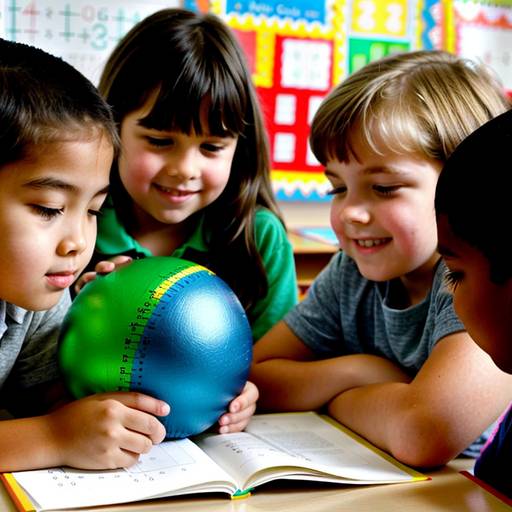
This 1st grade math lesson focuses on the concepts of measurement and weight through engaging, hands-on activities. Students begin by discussing the differences between measurement (size) and weight (heaviness) before working in small groups to measure classroom objects using non-standard units, like unifix cubes. They record their measurements and share findings with the class, creating a collective visual chart.
Next, the students explore weighing various objects using balance scales, predicting which will be heavier or lighter before confirming their predictions through hands-on experimentation. Their observations are noted on a worksheet to reinforce learning.
The lesson concludes with a review of key concepts, emphasizing teamwork and participation. Students are encouraged to reflect on their experiences, and sticker rewards are given for engagement. This lesson not only develops foundational skills in measurement and weight but also promotes collaboration, communication, and a love for learning.
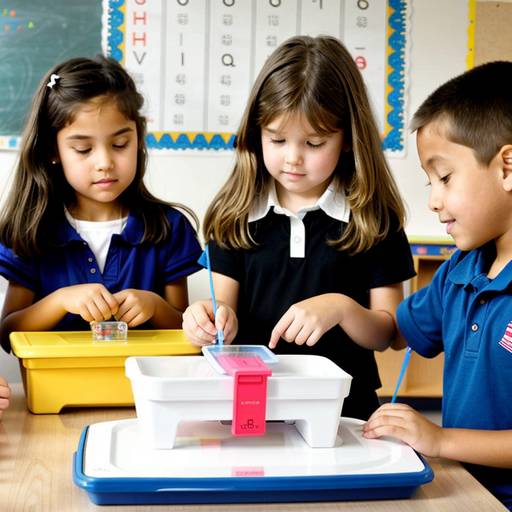
In this 1st-grade math lesson, students will explore the concepts of measurement and weight through engaging, hands-on activities. The class will begin with a discussion about measurement, encouraging students to share their experiences with weighing objects. A demonstration using a balance or spring scale will illustrate how to compare the weights of different items, with an explanation of standard and non-standard units of measurement.
Students will then participate in guided group activities where they will weigh a selection of classroom objects, record their findings, and visually compare weights using non-standard units such as Unifix cubes. Following this, small groups will create bar graphs to represent their measurements, fostering collaboration and communication skills.
The lesson will conclude with a class discussion on the lightest and heaviest objects measured, and selected groups will have the opportunity to present their findings. Assessment will focus on student engagement, participation in discussions, and the completion of worksheets and bar graphs. The lesson also includes adaptations for different learning needs and suggestions for extensions, such as a follow-up activity involving students measuring their backpacks at home. Finally, reflection on the effectiveness of the lesson will help refine future instruction.
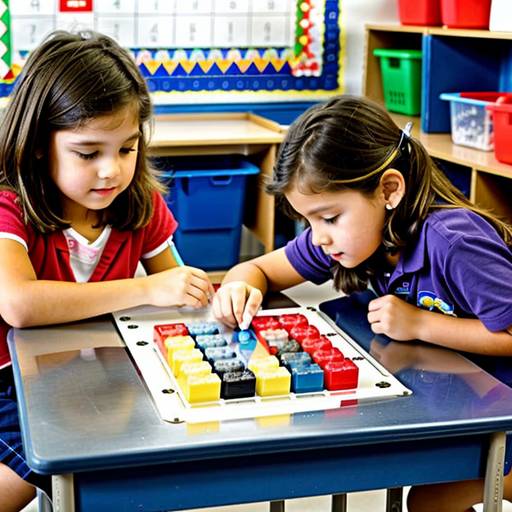
In this 1st-grade math lesson, students will explore the concepts of measurement and weight through hands-on activities using a balance scale and non-standard measurement units, such as counting cubes. The lesson begins with an engaging discussion about weight comparison, guiding students to introduce and understand key vocabulary like heavier, lighter, and balance. During guided practice, students will work in small groups to weigh various classroom objects and record their observations. In the independent practice segment, each student will choose an object to measure and document their findings on a worksheet, including comparisons to other items. The lesson concludes with a sharing session, allowing students to discuss their discoveries and reflections while emphasizing the relevance of measurement in everyday life. Assessment is integrated through observation and worksheet completion, with differentiation strategies in place to support diverse learners. Overall, this lesson promotes active learning and foundational skills in measurement.