
Filters
Level
Grade
Subject
Subject Area
Subject Topic
Standard(s)
Audience
Keyword
DurationMinutes
1st Grade Temperature Lesson Plans

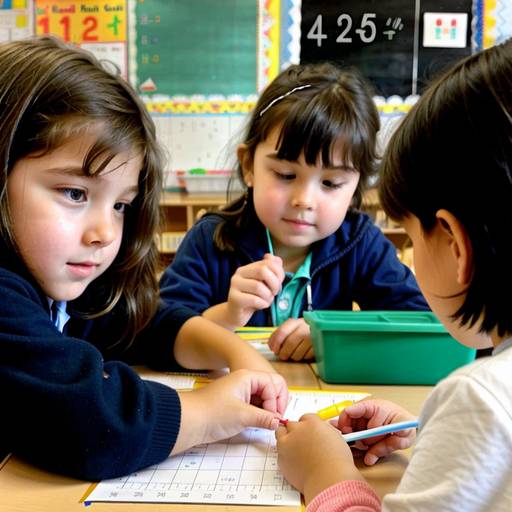
In this 1st-grade math lesson, students will explore the concepts of measurement and temperature through interactive activities. The lesson begins with a discussion on measurement and temperature, introducing non-standard units and the basics of reading a thermometer.
Students will then work in small groups to measure various classroom items using blocks, paper clips, or yarn, recording their findings on worksheets. They will share their results with the class, promoting collaboration and communication.
Next, students will participate in an engaging temperature experiment by interacting with cups of water at different temperatures, allowing them to identify and label how they perceive the warmth or coolness of each sample.
The lesson concludes with a review of the key concepts covered and an exit ticket activity where students reflect on one measurement they made and a temperature they learned about. Overall, the lesson emphasizes hands-on learning and real-life applications, making measurement and temperature concepts accessible and enjoyable for young learners.
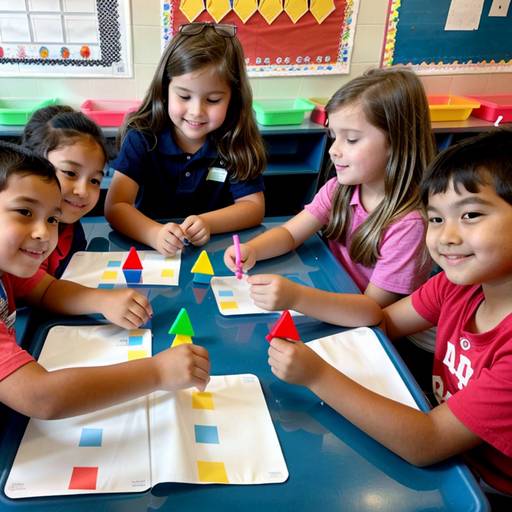
This 1st-grade math lesson focuses on measurement and temperature, aiming to help students understand the concepts of hot and cold while learning to use a thermometer. The lesson begins with an engaging discussion to introduce temperature and its relevance in daily life. Students then receive direct instruction on reading thermometers and categorizing images as hot or cold.
The hands-on activity involves pairs of students measuring the temperature of water in bowls containing ice cubes and warm water using their thermometers, followed by recording their findings and creating their own thermometer drawings.
The lesson concludes with a group discussion to share observations and reinforce learning. Assessment is based on observations during activities and the accuracy of students' temperature recordings. Extensions include a daily weather chart and a temperature diary, while adaptations are provided for students who need additional support. Overall, this lesson fosters a practical understanding of measurement through interactive and collaborative experiences.