
Filters
Level
Grade
Subject
Subject Area
Subject Topic
Standard(s)
Audience
Keyword
DurationMinutes
1st Grade Reading Genres Lesson Plans

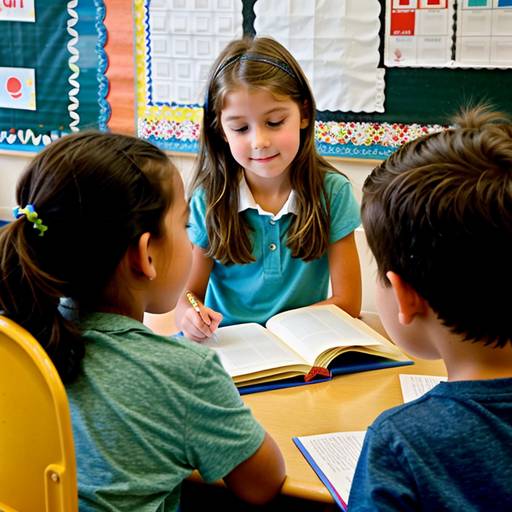
This first-grade language arts lesson plan focuses on introducing students to two primary reading genres: fiction and non-fiction. The lesson begins with a class discussion about what students enjoy about reading, followed by a read-aloud session featuring both a fiction story and a non-fiction book. Through guided questions, students explore the characteristics that differentiate the two genres. A genre sorting activity allows students to work in pairs to categorize flashcards into fiction and non-fiction, reinforcing their understanding of the concepts.
Students then reflect on their learning by creating a graphic organizer where they draw and describe their favorite book from each genre. The lesson concludes with a sharing session that highlights students' preferences, reinforcing the idea that both genres offer unique reading experiences. Assessment is based on student participation and the completion of their graphic organizers. Extensions include a genre-themed reading corner and monthly genre explorations, encouraging ongoing engagement with diverse reading materials.
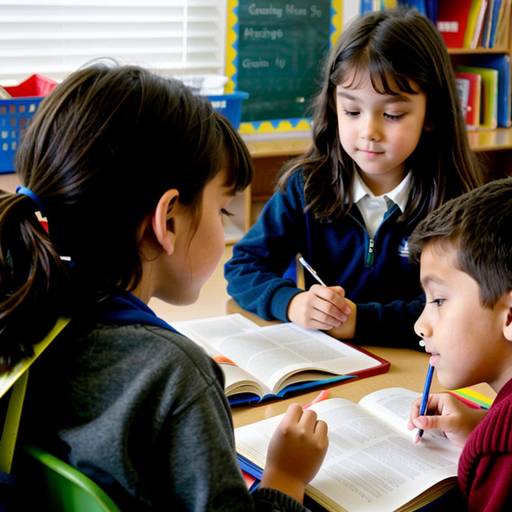
This 1st-grade Language Arts lesson focuses on introducing students to different reading genres, including fiction, nonfiction, poetry, and folk tales. The lesson begins with an engaging discussion to activate prior knowledge about stories and encourages students to share their reading preferences. Through read-aloud sessions featuring one book from each genre, students learn the defining characteristics of each type of literature.
Following the read-alouds, students participate in a genre sorting activity where they work in small groups to match genre descriptions with corresponding book covers. This hands-on activity reinforces their understanding of genre traits. To culminate the lesson, students choose their favorite genre and create illustrations that showcase what they enjoy about it, allowing for creative expression.
The lesson emphasizes active participation and discussion, aiming to deepen students' appreciation of literature by exposing them to various genres. Assessment is conducted through observation, accuracy in the sorting activity, and reviewing the illustrations created by students. Extension activities include the creation of a classroom "genre wall" and sharing favorite books, further promoting a love for reading.
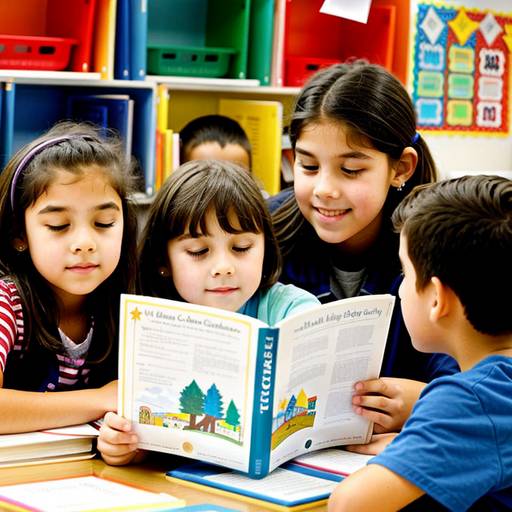
This 1st Grade Language Arts lesson focuses on introducing students to various reading genres, including fiction, non-fiction, poetry, and folk tales. The lesson begins with an engaging discussion where students share their favorite types of stories and learn the term "genre." Through read-alouds of selected picture books, students are exposed to the unique characteristics of each genre.
In guided practice, students work in small groups to categorize a selection of books according to their genres, and they present their findings to the class. For the independent activity, each student selects a favorite book and identifies its genre using sticky notes to contribute to a classroom genre chart. The lesson wraps up with a review of what students learned and encourages them to explore different genres in their reading.
Assessment includes observing participation, reviewing group classifications, and ensuring students successfully categorized their chosen books. Extensions and differentiation strategies are provided to cater to varying student needs and abilities, fostering a rich understanding and appreciation for the diverse world of reading.
This 1st Grade Language Arts lesson plan focuses on introducing students to various genres of literature, including fiction, nonfiction, poetry, and fairy tales. The lesson begins with a group discussion about what genres are, followed by read-aloud sessions of picture books from each genre, allowing students to identify key characteristics. In a hands-on sorting activity, students work in small groups to categorize a selection of books according to genre. They then engage in a creative response activity, where they create a personalized “Storyland Passport,” illustrating their favorite genre and sharing their thoughts with the class. The lesson concludes with a brief recap of key concepts learned. Assessment is based on group participation and individual creative output, and extensions and adaptations are included for further learning opportunities and to accommodate diverse learners. This engaging approach helps foster a deeper understanding and appreciation for different types of stories.