
Filters
Level
Grade
Subject
Subject Area
Subject Topic
Standard(s)
Audience
Keyword
DurationMinutes
1st Grade Collage Lesson Plans

In this 1st-grade art lesson, students will explore basic art techniques through the creation of a collage using various materials such as colored construction paper, magazines, scissors, glue, crayons, and optional natural elements. The lesson begins with an introduction to collages, showcasing different styles and discussing composition, color, and texture. A demonstration follows, where students learn to safely cut and arrange their materials before gluing them onto a background. Guided and independent practice will allow students to create their own collages based on a theme or story of their choice, fostering creativity and personal expression. The lesson culminates with students sharing their artwork in pairs or small groups, reflecting on their creative choices. Assessment will focus on students' understanding of collage techniques and their engagement in the process. An extension activity encourages students to continue exploring collage themes over time. Finally, the lesson emphasizes the joy of creating art and the value of sharing creative experiences.
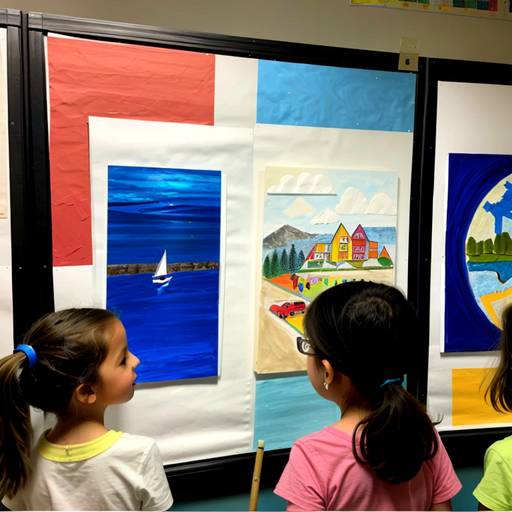
In this 1st grade art lesson, students will explore basic art techniques including cutting, gluing, and layering by creating their own collages. The lesson begins with a discussion about what a collage is, along with examples to inspire the children. Students will then gather materials from magazines, newspapers, and textured items, cutting out shapes and images that resonate with a chosen theme or story. They will arrange these pieces on construction paper, learning to layer and glue them effectively. To enhance their collages, they can add details using markers or crayons. The activity concludes with a gallery walk where students share their collages and discuss the techniques they used, fostering a sense of community and reflection on their creative process. Assessment will focus on participation and the creativity displayed in their final artwork. Extension activities and adaptations are included for varied learning needs, ensuring every student can engage meaningfully with the project.
In this art lesson for 1st graders, students will explore the concept of collage by focusing on shapes and textures. The session begins with an introduction to collage and a discussion about the various shapes found in their environment. A demonstration follows, teaching students how to cut shapes from construction paper and magazines, as well as how to layer and glue these pieces together. After practicing cutting shapes, students will create their own unique collages, encouraging creativity and individual expression. Once completed, they will share their artwork with classmates, explaining the shapes and ideas behind their creations. The lesson emphasizes the understanding of basic art techniques and promotes artistic growth through hands-on experience. Cleanup time is designated to ensure a tidy workspace. Extensions are available for students who finish early, allowing for additional creative exploration.
In this 1st-grade art lesson, students explore the art technique of collage by creating their own unique compositions using various materials. The lesson begins with an introduction to collages, including discussions and visual examples to stimulate students' interest and understanding. Following this, students engage in hands-on exploration of magazines and natural items, practicing their cutting and arranging skills while focusing on shapes and textures.
During the main activity, each student assembles their chosen materials onto a large sheet of paper, carefully arranging their cut-outs before gluing them down. Throughout the process, the teacher provides guidance and feedback, encouraging creative choices.
The lesson concludes with a reflection and sharing session, where students discuss their work with peers, promoting communication and collaboration. A clean-up period ensures that materials are organized for future use. Assessment is based on observation of students' engagement and creativity, with opportunities for extension through display and class publications of their artwork. This lesson fosters artistic expression, fine motor skills, and camaraderie among students.