
Filters
Level
Grade
Subject
Subject Area
Subject Topic
Standard(s)
Audience
Keyword
DurationMinutes
1st Grade Sculpture Lesson Plans

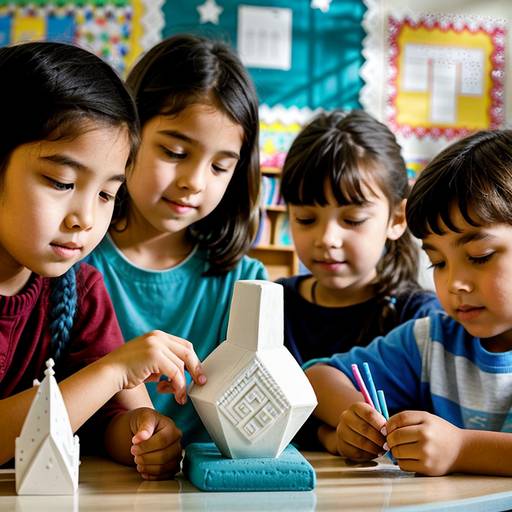
In this 1st grade art lesson, students will dive into the world of three-dimensional art by creating unique sculptures using air-dry clay. They will begin with a discussion about what sculpture is and how it differs from other art forms, while examining examples of various sculptures. Following this, students will explore basic shapes by modeling them in clay.
After a brief sketching activity to brainstorm their clay creature designs, students will have the opportunity to construct their sculptures using different clay shapes to form bodies, heads, and details. Throughout the activity, they will learn to combine shapes, attach pieces, and smoothly finish their creations.
At the end of the lesson, students will showcase their sculptures to the class, sharing stories about their creations and the shapes they used. The lesson will be assessed through observation of participation, creativity, and the final sculptures. Students will leave with an understanding of basic shapes in sculpture and a newfound appreciation for three-dimensional art.
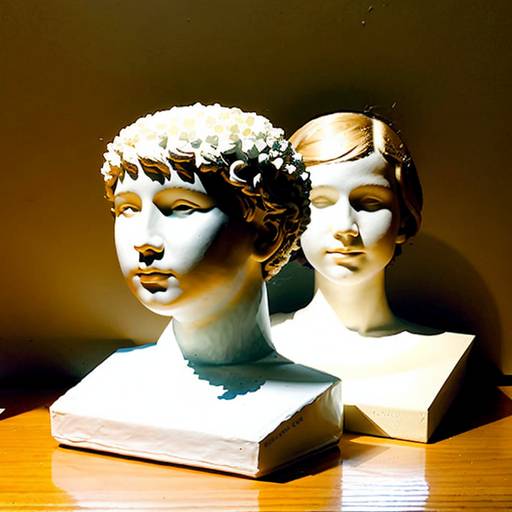
In this 1st-grade art lesson, students will explore the concept of sculpture using everyday materials to create three-dimensional art. The lesson begins with a discussion about what sculpture is and an introduction to various materials typically used in sculpting. A demonstration will show students how to manipulate wire and modeling clay, as well as how to combine these materials with recyclable items.
During the hands-on activity, students will create their own sculptures, incorporating at least three different materials while focusing on shapes and textures. The lesson also includes a cleanup time and concludes with a sharing session where students can present their sculptures to the class, explaining their inspiration and design choices. The assessment will involve observing students' engagement, creativity, and ability to articulate their thoughts about their sculptures. Extensions can include creating sculptures at home or exploring famous sculptors and their work.
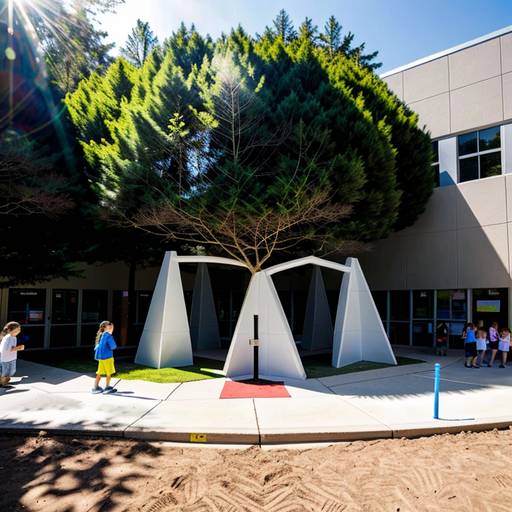
In this 1st-grade art lesson, students will engage in the exploration of sculpture using natural and recyclable materials. The lesson begins with a discussion about what sculpture is, highlighting its differences from other art forms and showcasing examples to inspire creativity. Students will then go outside to collect a variety of materials, emphasizing the shapes and textures found in nature.
After gathering their materials, students will brainstorm and sketch designs for their sculptures, considering how to combine different elements. They will then participate in a hands-on sculpting activity, building their creations using the collected materials and adhering to their designs. Throughout the activity, the teacher will provide guidance and support.
Finally, students will share their finished sculptures with the class, describing their inspiration and the materials used. This reflective and sharing component encourages critical thinking and peer interaction. Assessment will focus on creativity, engagement during the process, and participation in the discussion. Extensions could include organizing an exhibition for the sculptures, exploring other artists who use similar materials, or incorporating writing activities inspired by their creations.
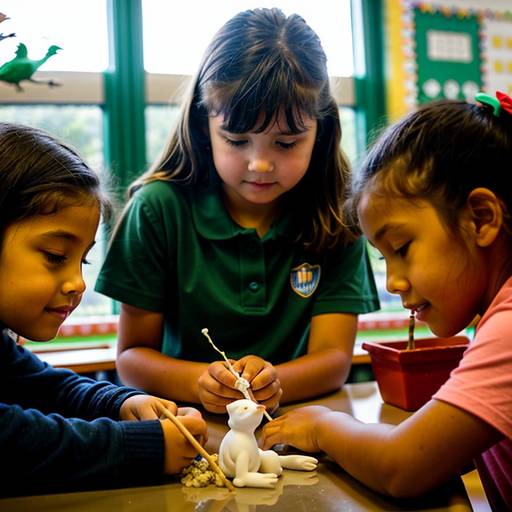
In this 1st-grade art lesson, students will explore the concept of sculpture by creating their own animal figures using air-dry clay. The lesson begins with a discussion about different art forms, emphasizing the three-dimensional aspect of sculpture. Students will have the opportunity to observe sample animal sculptures and share their favorite animals.
Following the introduction, students will learn sculpting techniques, including rolling clay into various shapes and using tools to add texture and detail. They will then engage in a hands-on activity where they will mold their chosen animal sculptures, allowing for individual creativity and expression.
Once their sculptures are complete, students will present their work to the class, sharing insights about their creative process and the characteristics of their animals. The lesson will conclude with a classroom cleanup and a brief discussion about future opportunities for decorating their sculptures with paint.
Assessment will focus on students' ability to manipulate the clay, their creativity, and their understanding of the sculpting process. Extension activities may include creating a classroom exhibit to showcase the sculptures and writing short stories or fact sheets related to the animals they created. Overall, this lesson aims to combine artistic expression with educational content about animals.