
Filters
Level
Grade
Subject
Subject Area
Subject Topic
Standard(s)
Audience
Keyword
DurationMinutes
1st Grade Color Theory Lesson Plans

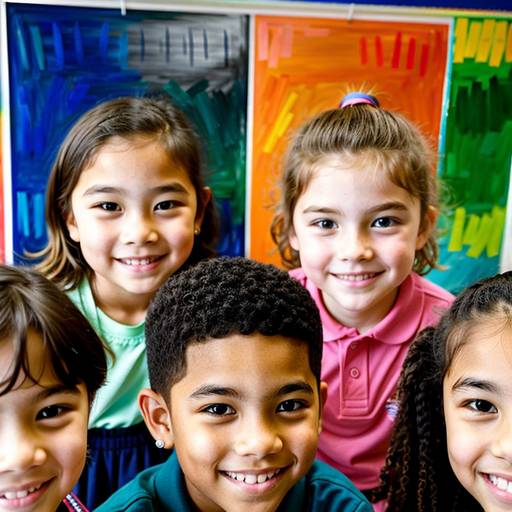
In this 1st-grade art lesson, students will explore the concepts of primary and secondary colors through hands-on painting activities. The lesson begins with a discussion about colors, encouraging students to share their favorites and observe the colorful world around them. A demonstration will follow, where the teacher showcases how to mix primary colors (red, blue, yellow) to create secondary colors (green, orange, purple), using a color wheel for visual reference.
In guided practice, students will create blocks of color on their construction paper, painting sections with both primary and mixed secondary colors. Following this, they will have the opportunity to independently create their own artwork using the colors they've made, allowing them to express their creativity.
The lesson wraps up with a sharing session where students present their artworks and explain the colors they've used. Assessment will focus on their engagement with the materials, understanding of color mixing, and the final artwork produced. Adaptations are available for varying skill levels, ensuring all students can participate and enjoy the exploration of color in art.
This lesson plan is designed for 1st-grade students to explore the basic elements of art, with a focus on color theory. Students will learn about primary colors (red, blue, yellow) and how to mix them to create secondary colors (green, orange, purple). The lesson begins with a discussion about colors and a visual demonstration using a color wheel.
Following this introduction, students will engage in a hands-on art activity where they create a landscape or abstract painting using watercolor paints. They will be encouraged to experiment with mixing colors and incorporating at least one primary and one secondary color into their artwork. Once their paintings are complete, students will have the opportunity to enhance their creations with crayons or colored pencils.
To conclude the lesson, students will participate in a gallery walk, showcasing their artwork and reflecting on their experiences. They will share their favorite colors and discuss any new colors they discovered through mixing. The lesson emphasizes creativity, engagement, and a foundational understanding of color theory and the elements of art, ensuring an enjoyable and educational experience. Additional activities can extend the learning by incorporating collage work or exploring warm and cool colors in future lessons.
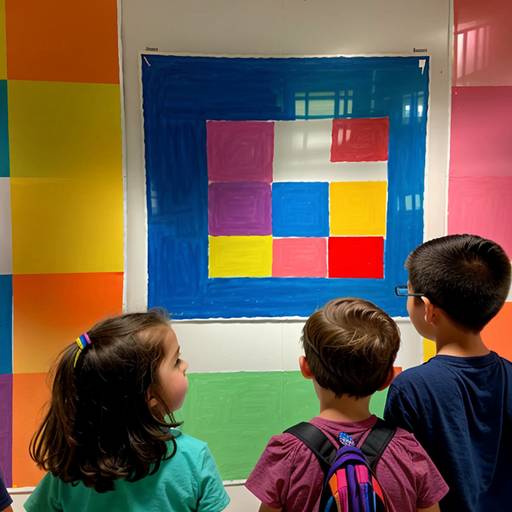
In this 1st Grade art lesson, students will explore the elements of art through a hands-on activity focused on color theory and shape recognition. The lesson begins with an engaging discussion about colors, where students will identify primary and secondary colors using a color wheel. They will also learn about basic shapes like circles, squares, triangles, and rectangles.
After the introduction, students will work in small groups to create a large mural using crayons, markers, and optional paint. They will have the opportunity to mix colors and utilize various shapes to design their sections of the mural, allowing their creativity to shine. The lesson concludes with a sharing session where students reflect on their artwork and discuss the colors and shapes they used. This collaborative activity not only fosters artistic skills but also encourages teamwork and self-expression.
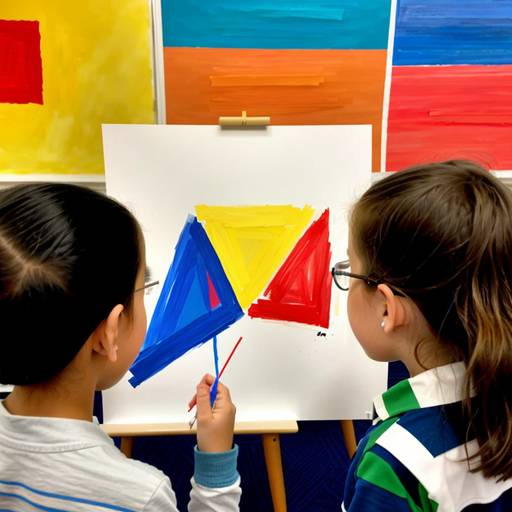
In this 1st-grade art lesson plan, students will explore the elements of art, focusing on color and shapes. They will learn to identify primary colors (red, blue, yellow) and how to mix them to create secondary colors (green, orange, purple). The lesson begins with a discussion about colors and an introduction to the color wheel, allowing students to understand the relationships between primary and secondary colors.
Students will engage in a hands-on activity where they practice mixing colors using crayons and markers. Following this, they will create a colorful collage using various pre-cut shapes made from colored paper, incorporating their understanding of color theory into their artwork. Throughout the lesson, students are encouraged to think creatively about patterns and layering.
As a culmination, students will share their collages with the class, discussing the colors they used and their significance. Assessment will focus on observing their color mixing skills and evaluating their collages for the use of primary and secondary colors. This lesson fosters creativity and critical thinking while providing a foundational understanding of art concepts.