
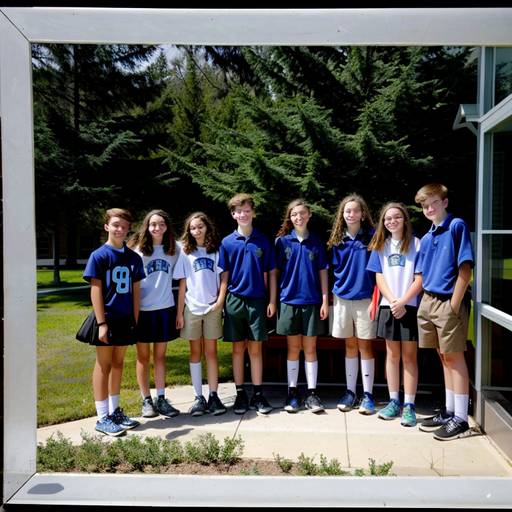
| Level | Middle School |
| Grade | 8th Grade |
| State | Wisconsin |
| Age Range | 13 to 14 |
| Language | English |
Areas Of Development
As an educator, you play a pivotal role in shaping the future of your students. Our comprehensive 8th Grade curriculum is meticulously crafted to align with Wisconsin's academic standards, ensuring your classroom is a hub of knowledge, engagement, and growth. Here’s an in-depth look at what our curriculum offers across all subjects.
English Language Arts
Empower students to think critically and express themselves effectively through our dynamic English Language Arts program. This component emphasizes:
- Diverse Reading: Exposure to both literature and informational texts to enhance comprehension and analytical skills.
- Writing Mastery: Opportunities to craft narratives, informative essays, and persuasive arguments, fostering creativity and structured thought.
- Communication Skills: Structured practice in speaking and listening that prepares students for varied contexts—class discussions, presentations, and collaborative projects.
- Vocabulary and Conventions: Focus on grammar, mechanics, and expanding vocabulary to enhance overall language proficiency.
- Research Skills: Instruction on effective research methods, fostering inquiry-based learning and teaching students the importance of citing their sources responsibly.
Mathematics
Our mathematics curriculum builds a solid foundation while promoting deep understanding and application of concepts:
- Number Sense: Students deepen their understanding of numbers and operations.
- Algebraic Thinking: Explore algebra concepts and expressions, preparing students for higher-level mathematics.
- Geometric Reasoning: Engage with geometry to develop spatial awareness and problem-solving skills.
- Data Proficiency: Learn to analyze and interpret data, including probability and statistics, critical for informed decision-making.
Science
Igniting curiosity and scientific thinking:
- Earth and Space Science: Students explore planetary systems, natural resources, and the phenomena that shape our planet.
- Life and Physical Sciences: Integrated lessons on living organisms, matter, energy, and their interactions foster a holistic view of scientific principles.
- Scientific Inquiry: Hands-on experiments and projects encourage students to ask questions, conduct research, and collaborate in finding solutions.
- Engineering Practices: Students apply crosscutting concepts that promote creativity and innovation through engineering challenges.
Social Studies
Enhance students' understanding of their role in a diverse, interconnected world:
- Historical Context: Explore significant geographical and historical events, analyzing their impact on contemporary society.
- Economic Awareness: Practical lessons in economics and financial literacy prepare students for real-world financial decisions.
- Civic Engagement: Curriculum emphasizes civics education, empowering students to understand governance, rights, and responsibilities.
- Cultural Competence: Promote respect and appreciation for diversity through global perspectives and cultural studies.
Physical Education & Health
A holistic approach to fitness and well-being:
- Physical Fitness: Active participation in fitness routines, sports, and team activities fosters teamwork and personal wellness.
- Health Education: Lessons on mental health, nutrition, and personal safety equip students with essential life skills for health and wellness.
Fine Arts
Nurture creativity and self-expression:
- Visual and Performing Arts: Engaging programs in visual arts, music, theatre, and dance allow students to explore various forms of creative expression and interpretation.
Technology Education & Career Exploration
Preparing students for the future:
- Digital Literacy: Empower students with essential computer skills, coding basics, and cybersecurity awareness.
- Career Readiness: Hands-on experiences and employability skills bolster students’ readiness for the workforce, entrepreneurship, and various career paths.
World Languages
Cultivating global citizens:
- Language Skills: Focus on vocabulary development and conversational skills in foreign languages while fostering cultural understanding.
- Real-World Connections: Students are encouraged to connect their language learning experiences to global situations and intercultural communication.