
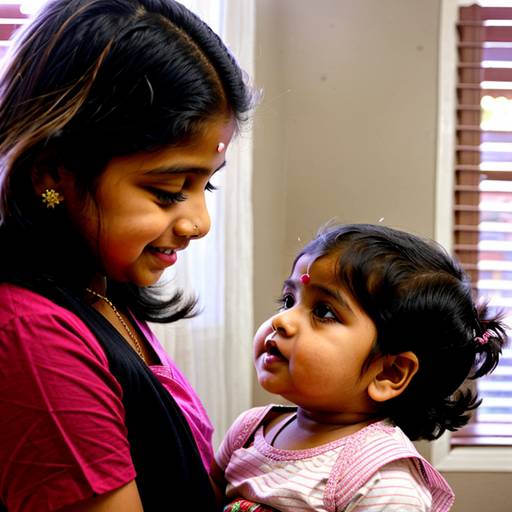
This curriculum for infants aged 6 months to 1 year is designed to support holistic development across multiple domains, including physical, social-emotional, cognitive, language, mathematical, scientific, and creative growth. It emphasizes activities that foster gross and fine motor skills, encourage bonding and social interactions, stimulate cognitive curiosity through sensory exploration, and promote language acquisition through reading and verbal engagement. Additionally, the curriculum includes foundational math and science experiences through playful learning, alongside creative arts opportunities that enhance self-expression. Health and safety are prioritized through routines that promote nutritious eating and safe exploration, all within a nurturing environment that lays the groundwork for lifelong learning.

This comprehensive curriculum for toddlers aged 1 to 3 years focuses on fostering holistic development across social, emotional, cognitive, physical, and creative domains. It includes activities aimed at enhancing social skills and emotional intelligence, promoting early language and literacy development through storytelling and interactive discussions, and introducing basic mathematical concepts through playful exploration. The curriculum encourages curiosity about the natural world with hands-on science activities, supports understanding of family and community through social studies, and nurtures creativity through various artistic expressions. Additionally, it emphasizes physical development with active play opportunities and incorporates health and safety education to instill important habits in young learners. Overall, the curriculum is designed to create a nurturing and stimulating environment that promotes exploration, discovery, and well-rounded growth for toddlers.
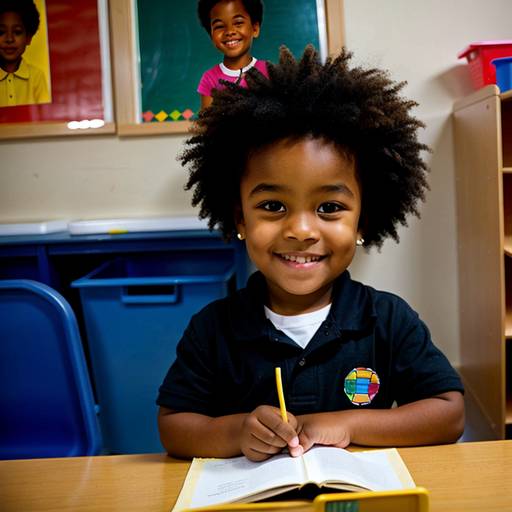
The Preschool Curriculum provides a structured framework focusing on the essential developmental areas of early childhood education. It emphasizes literacy through listening, speaking, and creative expression, while also laying a strong foundation in mathematics with activities centered on counting, sorting, and basic operations. The science component encourages exploration and inquiry, allowing children to engage with their environment and understand the world around them. Additionally, the social studies aspect fosters awareness of community, family, and cultural diversity, promoting respect and social responsibility among young learners. Overall, the curriculum is designed to support holistic development across cognitive, emotional, and social domains, ensuring that children are well-prepared for future educational success.