

This detailed outline for an infant curriculum focuses on fostering developmental growth in infants aged 6 months to 1 year across several key areas: social and emotional, physical, cognitive, language and communication, literacy, mathematics, and science. It emphasizes the importance of secure relationships with caregivers to support emotional development, while also providing activities that enhance gross and fine motor skills, problem-solving abilities, and early language acquisition. The curriculum encourages exploration and interaction with the environment, promoting curiosity and a foundational understanding of the world. Through engaging methods, it aims to nurture a love for learning, laying a strong foundation for lifelong educational growth in young children.
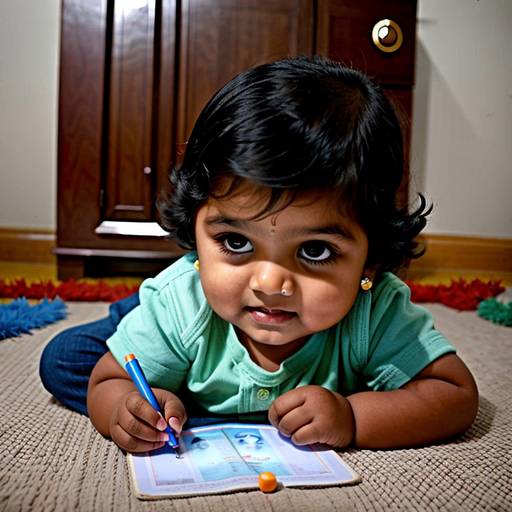
This curriculum is designed for toddlers aged 1 to 3 years, focusing on holistic development across key areas such as language and literacy, social and emotional skills, physical development, mathematics, science, and creative arts. It provides interactive and engaging activities that encourage early literacy through conversations, songs, and books, while fostering social skills and emotional intelligence through guided interactions. The curriculum promotes physical development via playful activities that enhance gross and fine motor skills, while introducing early mathematical concepts through games and hands-on experiences. Additionally, it facilitates scientific exploration and curiosity through nature and sensory activities, alongside creative expression through various art forms. Overall, it aims to create meaningful learning experiences tailored to the unique needs of young children.
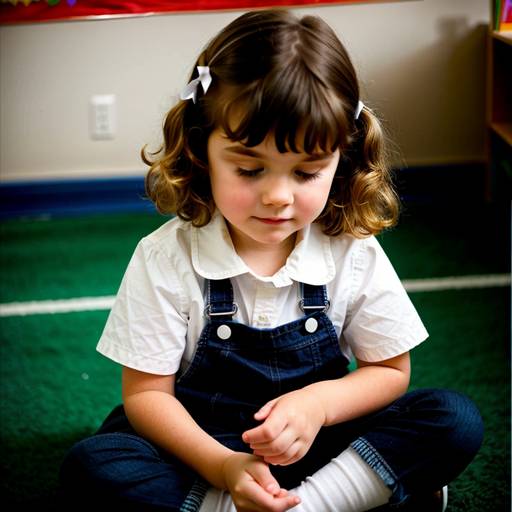
The curriculum is designed for preschool-age children, focusing on key developmental areas including language arts, mathematics, science, social studies, fine arts, physical development, and social-emotional skills. It emphasizes early literacy through letter recognition and phonemic awareness, introduces foundational math concepts like counting and basic operations, and encourages exploration of the natural world and community awareness. Creative expression is fostered through various artistic mediums and music, while motor skills are developed through physical activities. Additionally, the curriculum supports emotional intelligence by promoting empathy, self-awareness, and effective communication, ensuring a holistic approach to early childhood education that caters to individual needs and encourages a love for learning.