
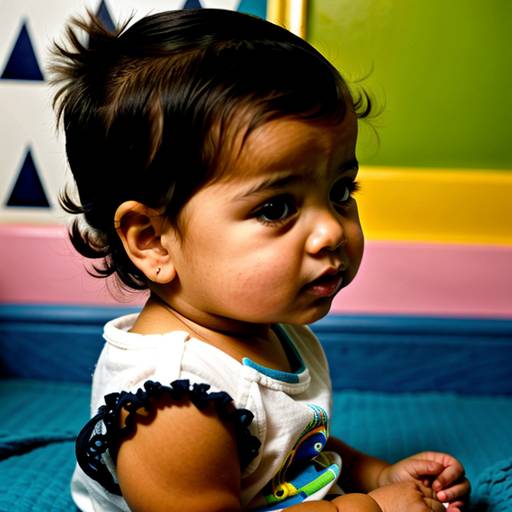
The curriculum is designed for infants aged 6 months to 1 year, focusing on their holistic development across several key areas: physical, social-emotional, language and communication, cognitive, creative, and approaches to learning. It provides structured activities that promote motor skill development through play, foster secure attachments and social interactions, and encourage early language acquisition through music and storytelling. Cognitive growth is stimulated through exploration and problem-solving activities, while creative expression is nurtured through art and sensory experiences. The curriculum emphasizes the importance of cultivating a positive attitude towards learning, encouraging curiosity and independence to set the foundation for lifelong learning.
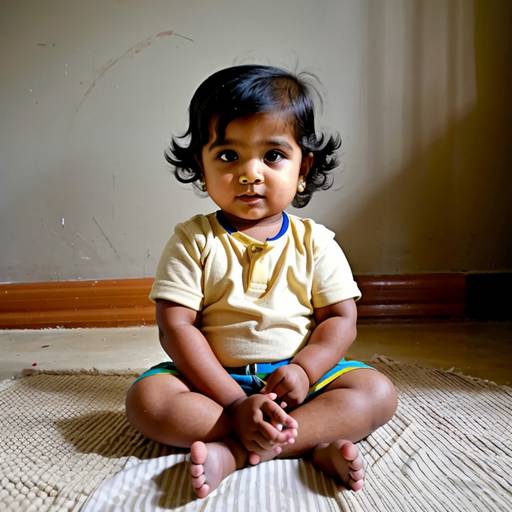
The curriculum is designed for toddlers aged 1 to 3 years and focuses on fostering holistic development across several key areas. It emphasizes language and literacy development through storytelling and vocabulary activities, while mathematics concepts are introduced through hands-on counting and sorting exercises. Scientific inquiry is encouraged through explorations of the natural world, covering life sciences and physical properties. Social studies components help toddlers understand themselves and their communities, promoting awareness and respect for diversity. Additionally, the curriculum addresses physical development with activities that enhance both gross and fine motor skills and incorporates creative arts to encourage self-expression and imagination. Overall, the curriculum provides a well-rounded approach to early childhood education, ensuring a solid foundation for future learning.
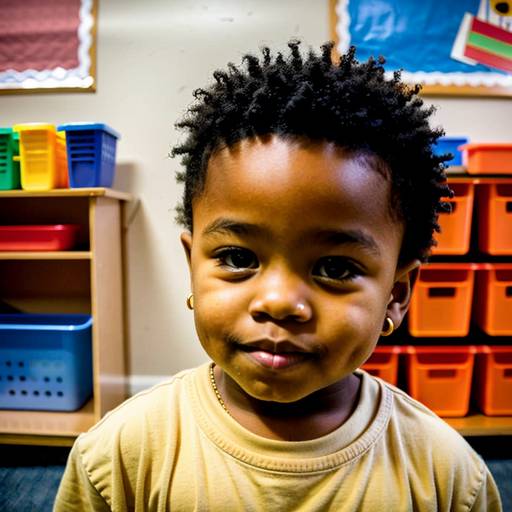
This preschool curriculum is designed to support the holistic development of young learners through a play-based approach that emphasizes key areas of growth. It focuses on enhancing language and literacy skills through interactive storytelling and vocabulary-building activities, while also introducing fundamental math concepts through hands-on experiences. Children engage in scientific exploration, developing curiosity about the natural world, and learn about social studies through diverse cultural awareness and community practices. The curriculum also prioritizes physical development through activities aimed at improving both fine and gross motor skills. Creative expression is encouraged across various art forms and through music and movement, fostering self-expression and enhancing social interaction among peers. Overall, the curriculum provides a comprehensive framework for supporting cognitive, emotional, and physical growth in preschool-aged children.