

This comprehensive curriculum is designed for infants aged 6 months to 1 year, focusing on key developmental areas such as social-emotional, physical, language, cognitive development, and approaches to learning. It emphasizes the importance of forming secure attachments with caregivers to support emotional well-being and self-exploration. Activities are tailored to strengthen motor skills through play and sensory experiences while promoting early language acquisition through meaningful interactions and communication. Cognitive growth is fostered through play that encourages problem-solving and curiosity, allowing infants to explore their environment safely. The curriculum creates a nurturing context that supports infants in developing essential skills and habits for lifelong learning.
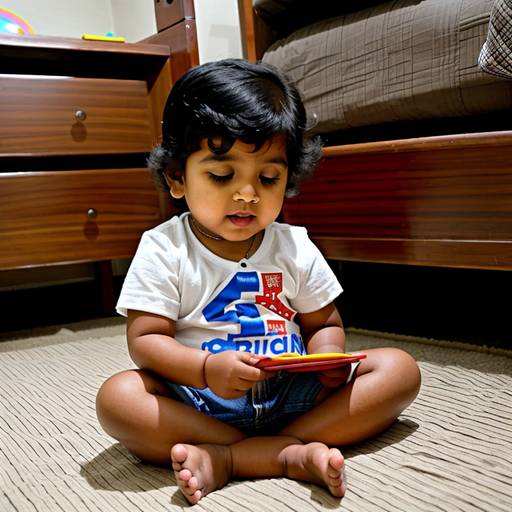
This comprehensive toddler curriculum for children aged 1 to 3 years is designed to promote holistic development across various essential domains. It focuses on fostering language and literacy through interactive storytelling and conversation, while also nurturing mathematical exploration through hands-on activities like sorting, classifying, and counting games. The curriculum encourages scientific inquiry by allowing toddlers to engage with their surroundings and conduct simple experiments, fostering critical thinking. It emphasizes social and emotional growth through guided interactions, sharing, and routines that enhance security and relationships with peers. Physical development is supported through activities that promote motor skills, coordination, and health awareness, while creative expression is encouraged through art, music, and imaginative play. Each component is adaptable to meet diverse learning needs, ensuring an engaging and enriching experience for young learners.
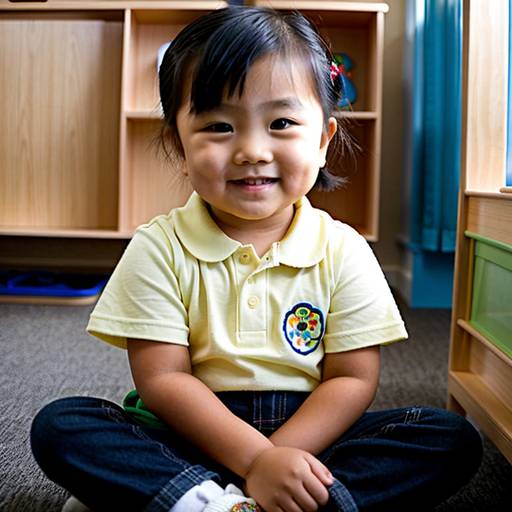
The curriculum for preschool education is designed to provide a comprehensive learning experience that supports the cognitive, social, emotional, and physical development of young children. It encompasses key areas such as literacy, where children engage in letter recognition and storytelling; mathematics, focusing on counting, basic operations, and shape identification; and science, promoting curiosity through exploration of natural phenomena. The program also includes social studies, which helps children understand their identity and community, along with arts activities that encourage creative expression. Additionally, physical education activities enhance motor skills and promote healthy habits, while social-emotional development components teach children to recognize and express their feelings, develop positive relationships, and practice empathy. Lastly, the curriculum introduces basic technology concepts to prepare children for a digital future, creating a well-rounded foundation for lifelong learning.