

This curriculum is designed for infants aged 6 months to 1 year, focusing on their developmental needs through a structured yet flexible approach. It emphasizes key areas of growth, including language development, cognitive skills, physical milestones, and social-emotional health. Daily interactions promote early literacy and verbal communication, while engaging sensory experiences encourage curiosity and exploration. Physical development is supported through activities that enhance gross motor skills, such as tummy time and safe movement opportunities. Additionally, the curriculum fosters a nurturing environment that builds trust and social connections, ensuring infants feel secure and supported as they learn through play. Overall, it aims to provide a holistic foundation for lifelong learning and development.

The toddler curriculum focuses on holistic development for children aged 1 to 3, encompassing essential areas such as language and literacy, mathematics, science, social studies, creative arts, physical health, and social-emotional growth. It promotes a language-rich environment where toddlers can engage in conversations, storytelling, and interactive activities to enhance their vocabulary and understanding of print concepts. Math exploration is hands-on, allowing children to grasp foundational concepts through sorting, counting, and pattern recognition. The science component encourages curiosity and observation of the natural world, while social studies introduce themes of diversity and relationships. Creative expression is nurtured through various art forms, music, and dramatic play, fostering imagination and cognitive development. Additionally, the curriculum emphasizes physical health by promoting gross and fine motor skills through active play and self-help practices, alongside the importance of emotional intelligence and social skills through collaborative activities. Overall, it aims to create a well-rounded learning experience that supports early development in multiple domains.
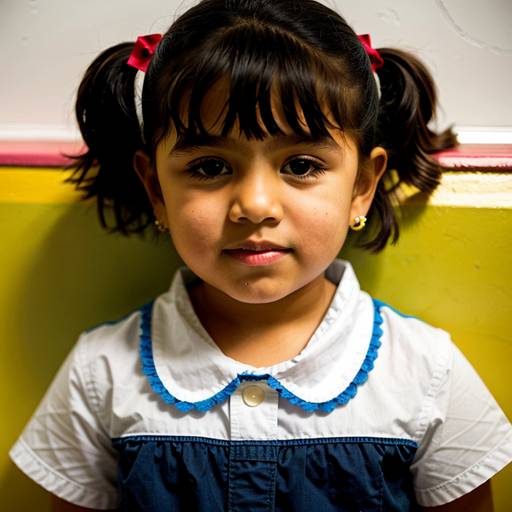
The preschool curriculum is designed to support comprehensive early childhood development through a range of interconnected learning areas. It emphasizes language arts by fostering literacy skills such as phonemic awareness, letter recognition, and basic writing. In mathematics, children engage with numbers, shapes, and simple arithmetic through hands-on activities that promote logical thinking. The science component encourages inquiry and exploration, allowing students to observe their environment, conduct experiments, and understand natural phenomena. Social studies focus on community awareness, promoting respect and understanding of diversity among peers while teaching the roles of community helpers. The fine arts section nurtures creativity through various artistic mediums, while physical education emphasizes the importance of health and fitness through active play and teamwork. Overall, this curriculum provides a holistic approach to early education, fostering intellectual, social, emotional, and physical growth in preschool-age children.