

This curriculum for infants aged 6 months to 1 year focuses on supporting key developmental milestones across multiple domains, including social-emotional, physical, language, cognitive, approaches to learning, literacy, mathematics, and science. It emphasizes the importance of nurturing caregiver interactions to build trust and emotional security, while incorporating activities that enhance physical skills such as crawling and grasping. Language development is fostered through reading, conversation, and music, promoting early communication skills. Cognitive growth is stimulated through sensory exploration and problem-solving opportunities, while literacy skills are supported in a print-rich environment. Additionally, the curriculum introduces foundational concepts in mathematics and science through engaging, hands-on activities that encourage curiosity and exploration, providing a holistic framework for infant learning and development.
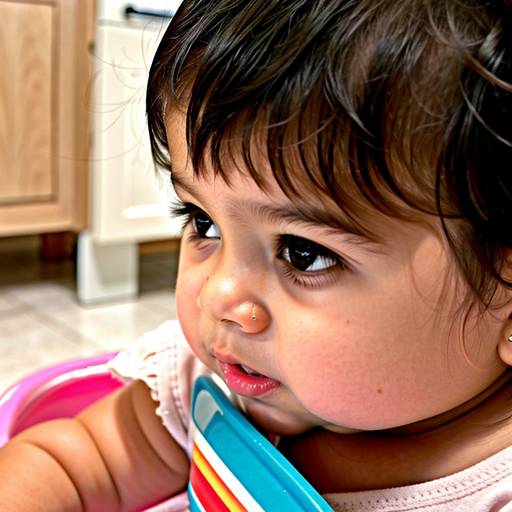
This comprehensive toddler curriculum is designed to support the holistic development of children aged 1 to 3 years across several key domains. It emphasizes language development through interactive storytelling and vocabulary expansion, while fostering mathematical skills with engaging activities that include counting and shape recognition. Social and emotional growth is prioritized through cooperative play, teaching toddlers to share and express their feelings effectively. The curriculum also enhances physical development with activities that promote gross and fine motor skills through movement and sensory play. Cognitive skills are encouraged through problem-solving tasks and imaginative exploration, while creative arts activities allow for self-expression and tactile discovery. Overall, this curriculum provides a well-rounded approach to early learning, ensuring that children thrive in a nurturing and engaging environment.
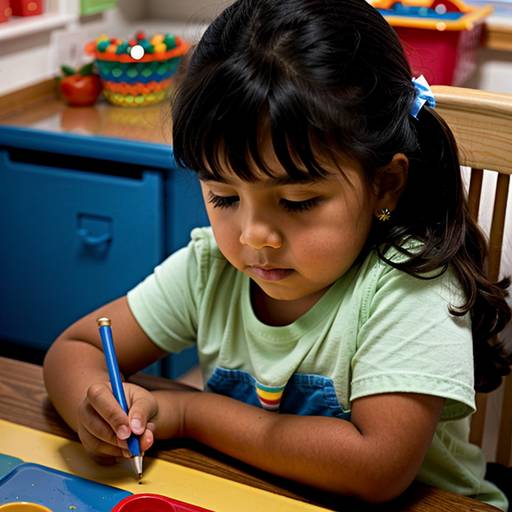
This preschool curriculum is designed to promote the holistic development of young learners across key areas such as language and literacy, mathematics, science, social studies, creative arts, and physical health. It emphasizes early literacy skills through interactive discussions, letter recognition, and storytelling, while mathematical concepts are explored through hands-on activities involving numbers, addition, shapes, and patterns. The science component encourages curiosity and inquiry about the natural world, while social studies focus on community, family, and interpersonal relationships. Creative expression is nurtured through various art forms, and physical development is supported with activities that promote motor skills and healthy habits. Overall, this curriculum provides a comprehensive framework for fostering essential skills, knowledge, and emotional well-being in preschool-aged children.