
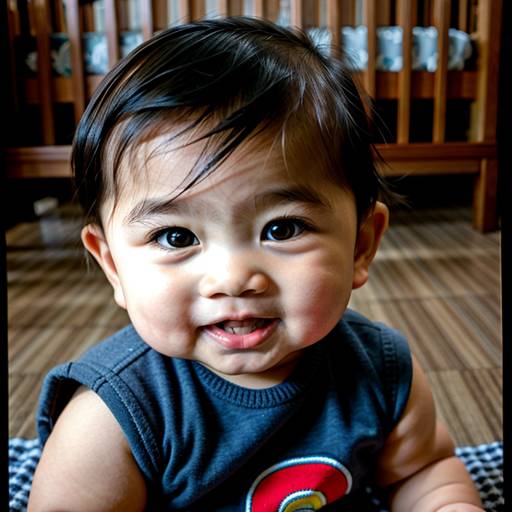
The comprehensive infant curriculum is designed to support the holistic development of infants aged 6 months to 1 year across various domains. It focuses on fostering physical growth through activities that promote motor skills, enhancing social and emotional development by encouraging secure attachments and emotional awareness, and stimulating language acquisition through responsive communication and engaging reading materials. Additionally, it incorporates cognitive development through sensory exploration and interactive play, introduces basic mathematical concepts through fun activities, and nurtures creativity with art and movement experiences. The curriculum also emphasizes health and nutrition, promoting healthy habits, and explores social studies themes that celebrate diversity and community. Overall, it provides a well-rounded framework for fostering early learning and development in infants.
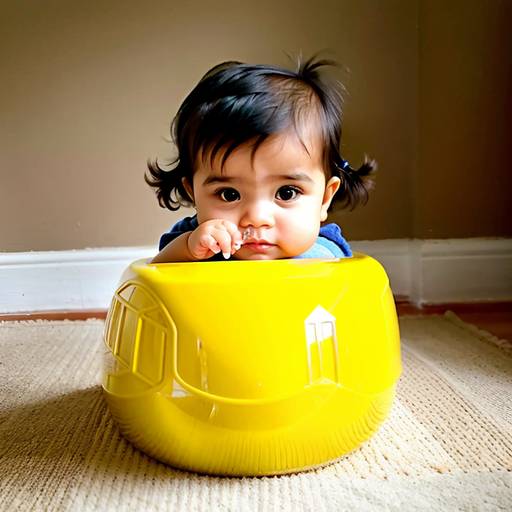
The curriculum for toddlers aged 1 to 3 years is designed to support holistic development across various domains, including language, cognitive skills, physical growth, social-emotional intelligence, creativity, and scientific inquiry. It emphasizes engaging activities that promote verbal skills through storytelling and interactive dialogue, while also encouraging early mathematical concepts and problem-solving through games and sorting activities. Physical development is fostered through active play and arts and crafts that enhance fine motor skills, while social-emotional growth is supported by group activities that teach turn-taking and empathy. Creative expression is encouraged through various art forms and imaginative play, and opportunities for scientific discovery are provided through hands-on exploration and observation of the natural environment. Overall, the curriculum aims to create a nurturing and stimulating learning atmosphere where young children can thrive and develop a love for learning.
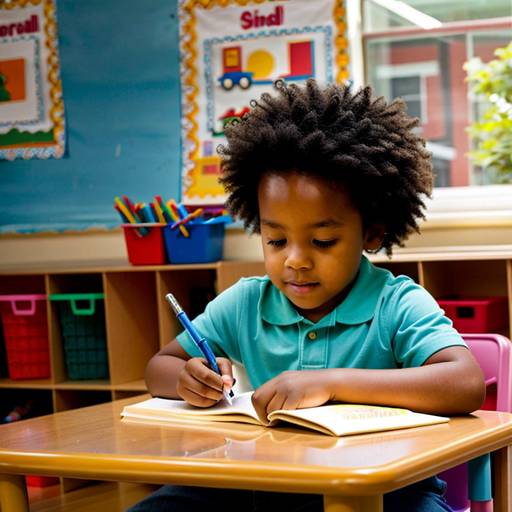
The preschool curriculum focuses on holistic development, encompassing essential areas such as English Language Arts, Mathematics, Science, Social Studies, Art, and Physical Education. It fosters early literacy skills through engaging storytime, promotes numeracy with hands-on activities, and encourages scientific exploration through inquiry-based learning. Social studies introduce children to diverse cultures and community roles, while the art component emphasizes creativity and self-expression through various forms and materials. Additionally, physical education activities aim to develop motor skills and promote healthy habits. The curriculum is designed to accommodate individual learning needs, providing educators with resources to create an engaging and effective classroom environment for young learners.