

This comprehensive program is designed for infants aged 6 months to 1 year, focusing on their holistic development across key areas: physical, social, emotional, language, cognitive, and health. It emphasizes interactive and engaging activities that support gross and fine motor skills, foster emotional security through responsive caregiving, and promote language development via reading and conversation. Cognitive growth is stimulated through sensory-rich experiences that encourage exploration and problem-solving, while health and wellness are highlighted through active play and nutrition awareness. Additionally, the program encourages educator adaptability and emphasizes the importance of community and parental involvement in the developmental process.
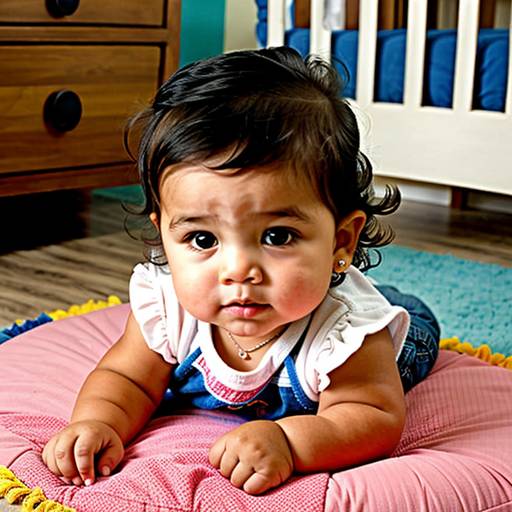
The Toddler Curriculum is designed for children aged 1 to 3, focusing on holistic development across various domains. It emphasizes language development through interactive conversations, songs, and rhymes, while introducing foundational mathematics concepts through hands-on activities involving counting, shapes, and patterns. The science component encourages curiosity and inquiry, allowing toddlers to explore their environment and develop observational skills. Physical development is supported through activities that enhance both gross and fine motor skills. Social and emotional growth is fostered by teaching children to recognize and express their emotions, practice self-regulation, and engage in cooperative play. Finally, the creative arts segment encourages children to express themselves through visual arts, music, and movement, promoting creativity and emotional expression.
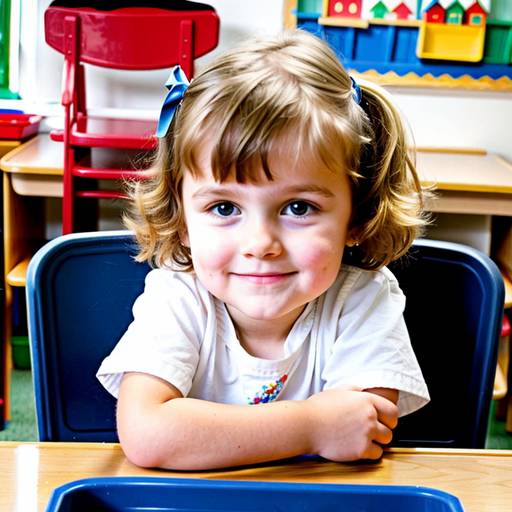
The curriculum is designed for preschool education, focusing on the holistic development of young learners across multiple domains. It includes a comprehensive literacy program that promotes letter recognition, phonological awareness, and emergent writing skills. In mathematics, children engage in activities that emphasize counting, basic operations, and pattern recognition. The science component fosters curiosity about the natural world through hands-on exploration and inquiry. Social studies lessons encourage understanding of community roles and cultural diversity, while motor skill development is enhanced through various fine and gross motor activities. Additionally, social-emotional growth is supported by helping children identify and express their emotions, develop empathy, and improve communication skills, creating a positive and inclusive learning environment.