

This infant curriculum is designed for children aged 6 months to 1 year and focuses on holistic development across multiple domains. It emphasizes language development through interactive reading, sound play, and social interaction, while promoting physical growth with activities like tummy time and sensory exploration. Cognitive skills are fostered through cause-and-effect toys and interactive games, whereas social and emotional development is supported by creating secure attachments and encouraging peer engagement. The curriculum also incorporates creative expression through artistic activities and music, alongside promoting health and wellness through proper nutrition, hygiene practices, and regular physical activity. Overall, it aims to provide a rich learning environment that nurtures the foundational skills necessary for lifelong learning.
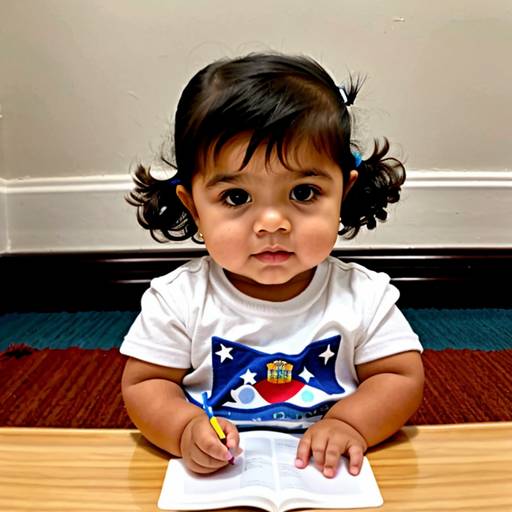
The toddler curriculum focuses on providing a comprehensive and developmentally appropriate educational experience for children aged 1 to 3, covering essential areas such as language arts, mathematics, science, social studies, creative arts, and physical development. Key elements include interactive storytelling and vocabulary-building activities for language development; hands-on counting and shape recognition for mathematics; sensory exploration and basic scientific concepts; introduction to self-identity and community awareness in social studies; creative expression through art and music; and gross motor activities combined with lessons on health and hygiene. This holistic approach aims to foster cognitive, emotional, social, and physical growth in young learners, ensuring a well-rounded foundation for future education.
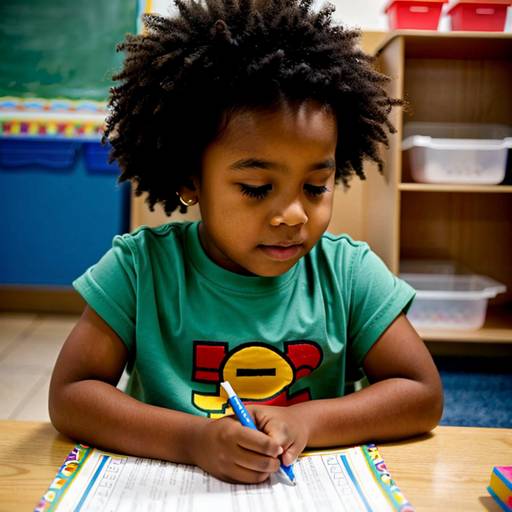
This preschool curriculum offers a comprehensive approach to early childhood education, focusing on key developmental areas such as language arts, mathematics, science, social studies, and physical education. It emphasizes building communication and literacy skills through interactive reading, storytelling, and writing exercises. In mathematics, children engage in hands-on activities for counting, number recognition, and basic operations. Scientific exploration encourages curiosity about the environment through sensory experiences and simple experiments. The social studies component fosters awareness of diverse cultures and community roles, promoting emotional intelligence and empathy. Lastly, physical education activities enhance gross motor skills, teamwork, and healthy habits. Overall, the curriculum is designed to create a well-rounded educational experience that lays a strong foundation for future learning.