

This comprehensive infant curriculum is designed to support the holistic development of infants from 6 months to 1 year, focusing on key areas such as physical, social-emotional, language, cognitive, and learning approaches. It emphasizes hands-on activities that promote motor skill growth through exploration of various textures and shapes, while fostering secure attachments through nurturing interactions between caregivers and infants. The curriculum encourages language development through read-aloud sessions and responsive communication, while providing opportunities for cognitive exploration with age-appropriate toys and puzzles. Overall, it nurtures curiosity, problem-solving, and resilience, creating a supportive learning environment for infants as they navigate through their critical first year.
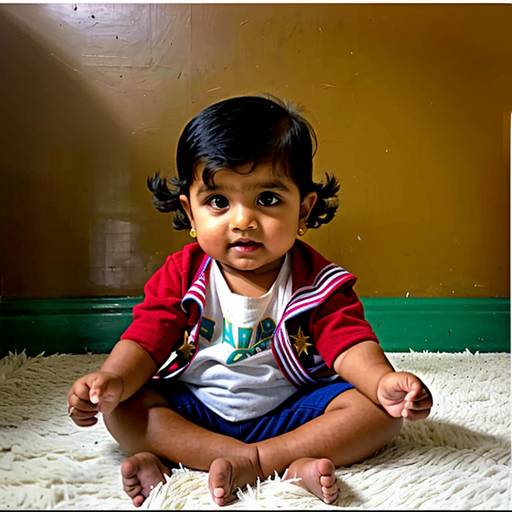
This curriculum is designed for educators working with toddlers aged 1 to 3 years, focusing on a comprehensive approach to early childhood development. It emphasizes key areas such as social-emotional growth, where children learn to express their feelings and build relationships; physical development through activities that enhance motor skills; and language development that fosters vocabulary and communication through storytelling and interactive play. Cognitive skills are nurtured by encouraging problem-solving and critical thinking, while creative development allows for self-expression through various art forms. Additionally, the curriculum promotes positive attitudes toward learning, fostering curiosity, independence, and resilience in young children. Overall, it provides a structured yet flexible framework to support holistic growth in early learners.
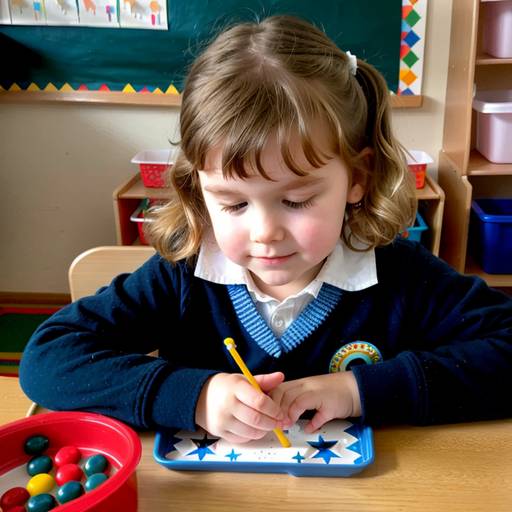
This comprehensive preschool curriculum is designed to support early childhood development across six key subject areas: Language and Literacy, Mathematics, Science, Social Studies, Creative Arts, and Physical Development. It emphasizes language skills through storytelling and active conversation, provides foundational math concepts through hands-on activities, and fosters scientific inquiry with exploration of the natural world. Students are encouraged to develop social awareness and empathy through community connections, while creative arts activities allow for self-expression and imaginative play. Additionally, the curriculum promotes physical development with activities designed to enhance both gross and fine motor skills, along with lessons in health and wellness. Overall, this curriculum offers a structured framework to support holistic growth and learning in young children.